






Vintage Plant Display
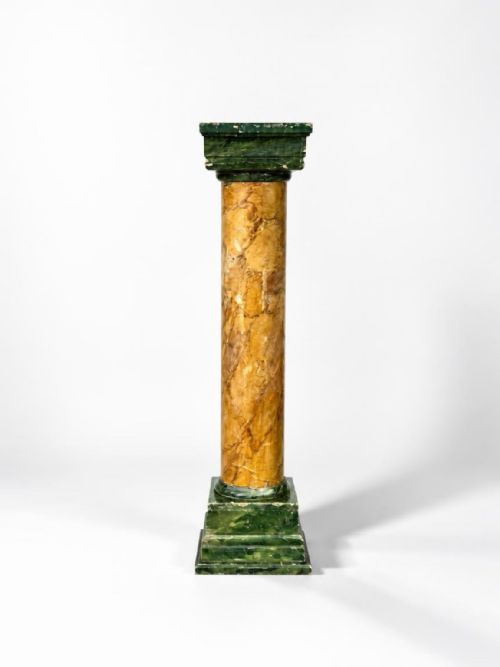
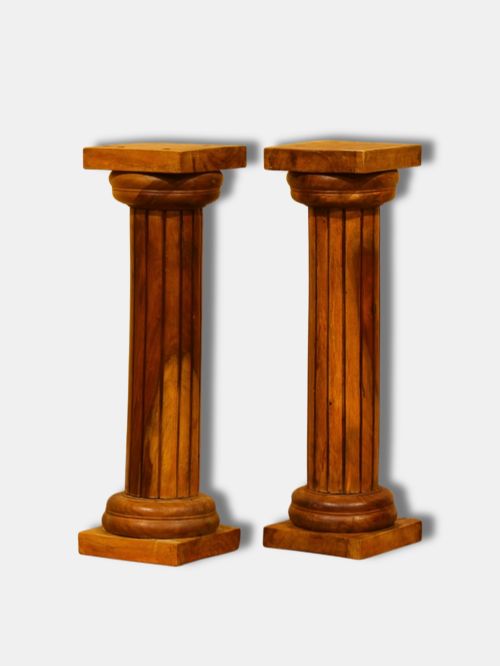
These vintage plant display pieces bring height and structure to rooms, holding greenery and sculpture upon sturdy timber or polished stone.
Vintage Plant Display
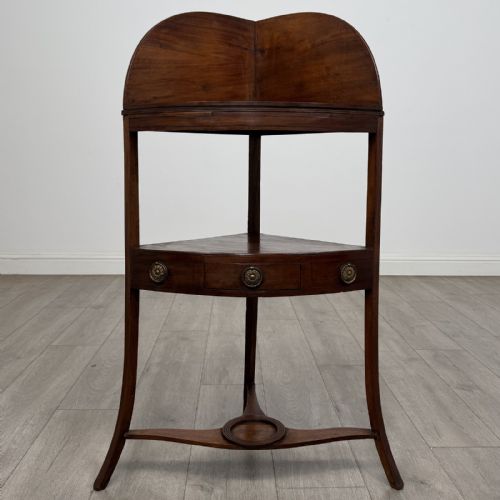
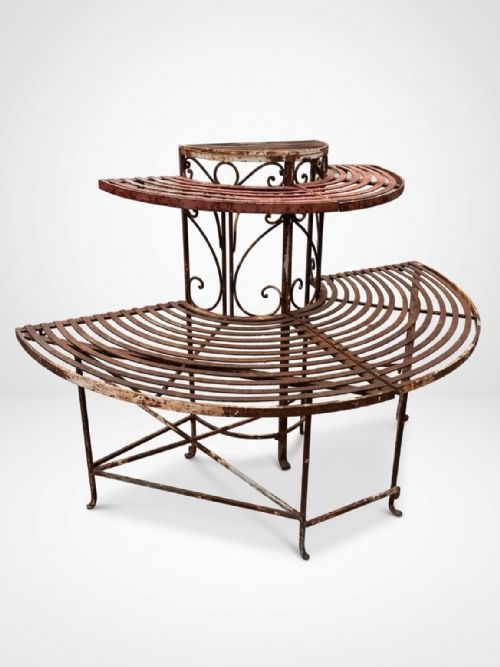
A vintage plant display encompasses pedestals, plant stands, plinths, torcheres and occasional side tables designed to elevate flora and decorative objects within a room. These furnishings range from slender column pedestals to multi-tiered stands and low side tables.
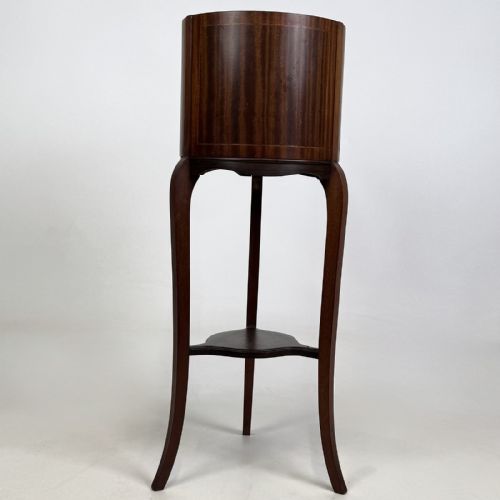
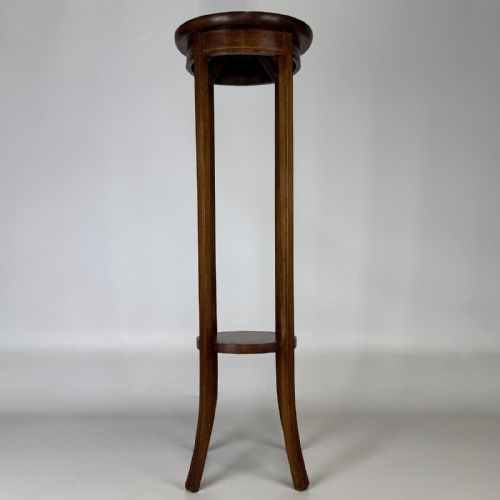
Buyers meet Edwardian inlaid mahogany stands and Victorian oak tables most frequently on this page, alongside French columnar pedestals and Arts & Crafts designs. Forms span from simple turned wooden plinths to elaborate carved Italian stands and Chinese export pieces.
Origins stretch across British, French, Dutch, Italian, Chinese and Kashmiri workshops. The structures serve to lift pots, urns and busts into the light, functioning as both botanical supports and architectural accents.
How they were made
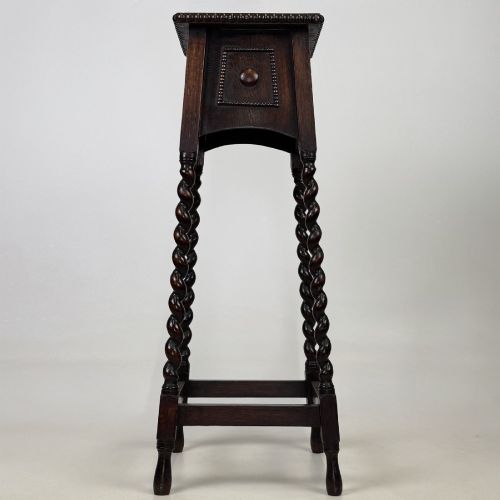
Cabinetmakers utilised dense timbers such as mahogany, oak, walnut, satinwood and hardwods, often employing turning, carving and joinery techniques to shape columns, legs and shelves. Inlaid pieces incorporate contrasting veneers, mother-of-pearl or painted surfaces.
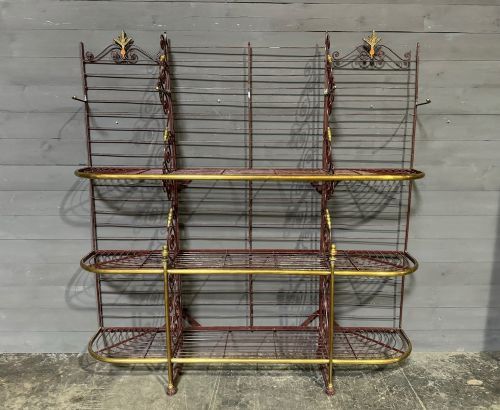
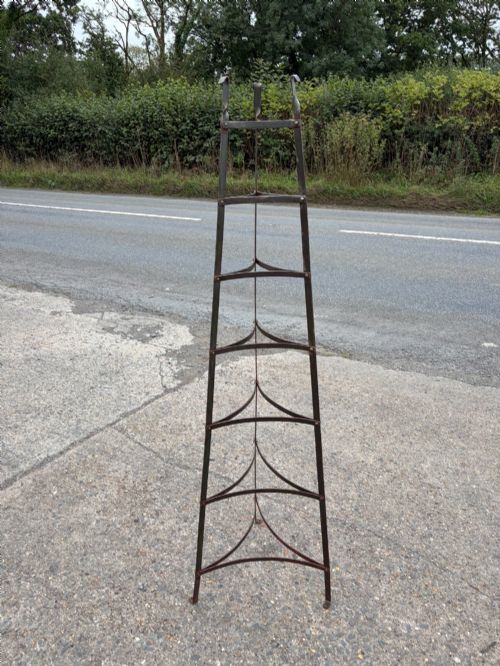
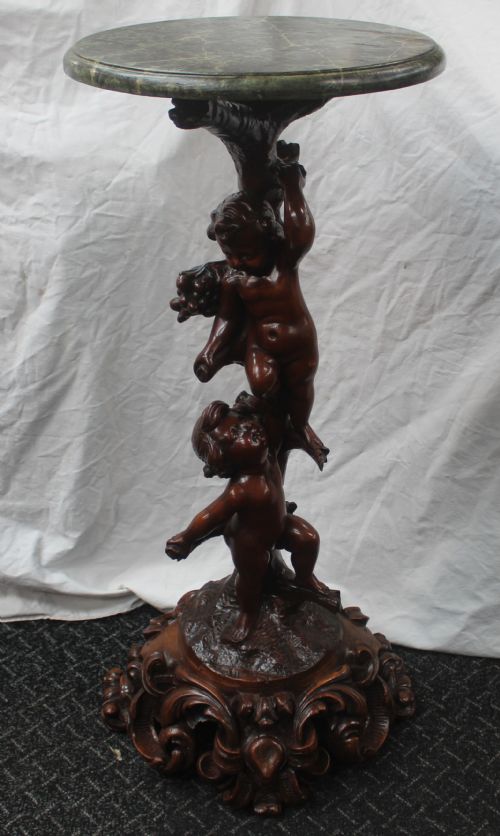
Stone and metal elements appear through marble tops, faux marble finishes, brass fittings and wrought iron components. French and Italian examples frequently employ carved wooden columns or painted finishes on solid timber bases.
Vintage Plant Display Retail Price Guide 2026
Typical asking prices for vintage plant display among the pieces listed under this phrase on Sellingantiques today, from the lower quarter to the upper quarter. They describe what is for sale here now, not the wider market.
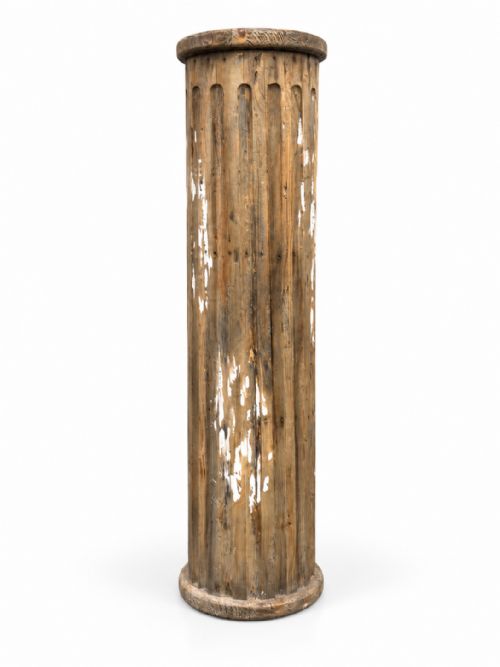
Pine sculptors stands bear the quiet splatters of creative toil, having spent decades dusted with plaster rather than petals.
What varies in quality
The refinement of the carving and the precision of the joinery separate standard production items from finer workshop pieces. Crisp detail in turned columns and balanced proportions in tripod or cabriole legs indicate careful execution.
The choice of materials dictates the finish of the piece, with figured mahogany, matched walnut veneers, genuine marble inserts and delicate string inlay marking the upper tier of craftsmanship. Simpler pine sculptors stands and basic turned plinths represent utilitarian construction.
The Vintage Plant Display Glossary
- Pedestal
- An architectural column or stand designed to support a bust, urn or plant pot.
- Torchere
- A tall, slender stand originally intended to hold a candle or light, now frequently utilised for plant display.
- Inlay
- A decorative technique where contrasting wood, shell or metal is inserted into recesses cut into the surface of the timber.
- Jardiniere
- A decorative pot or stand specifically made to hold plants and flowers indoors.
- Plinth
- A heavy flat base or lower block serving as a foundation for a column or display stand.
Vintage Plant Display: Frequently Asked Questions
Where should I place a plant stand?
These stands suit corners, window spaces and empty wall sections where height is needed to balance room layouts.
They function effectively beside seating or beneath artwork to draw the eye upward through vertical lines.
Can these tables hold heavy pots?
Solid mahogany, oak and hardwood structures support substantial ceramic and terracotta vessels safely.
Lighter occasional tables and inlaid satinwood pieces suit moderate botanical displays rather than heavy earth-filled planters.
How do I identify an Edwardian stand?
Edwardian examples frequently display lighter timbers such as satinwood and mahogany, often featuring delicate string inlay and cabriole legs.
Arts & Crafts variants from the same era favour plain oak construction with honest joinery and lower display shelves.
What is the difference between a pedestal and a table?
Pedestals feature narrow column or plinth formats designed primarily for elevation rather than surface utility.
Tables provide wider tops suited for lamps, books and occasional use alongside plant display functions.