



Vintage Plain Gold Band
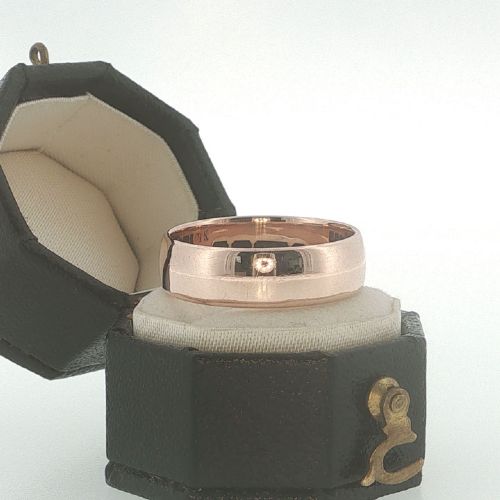
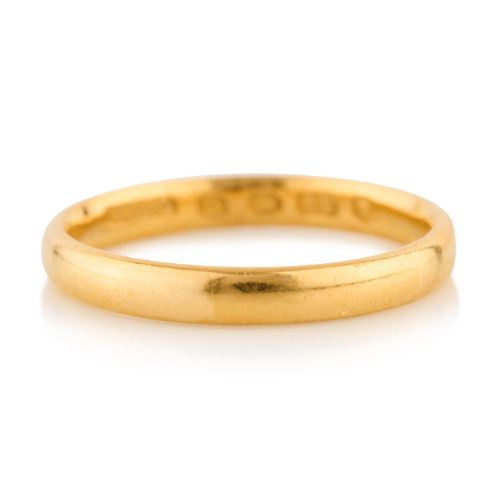
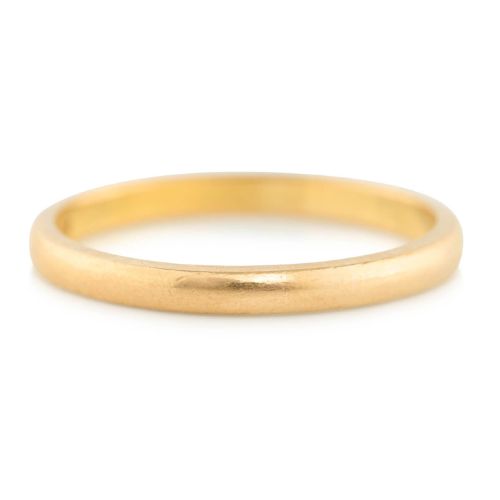
A vintage plain gold band offers a classic ring form carrying a specific date and metal purity from decades past.
Vintage Plain Gold Band
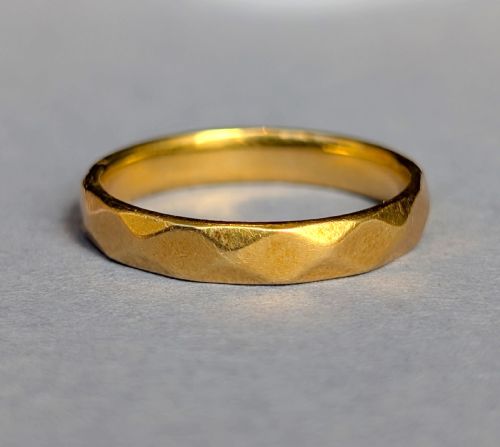
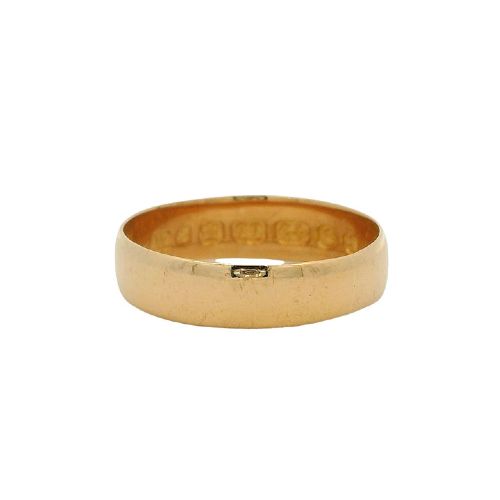
A vintage plain gold band is a simple ring form primarily represented here by wedding bands and stacking rings spanning from the Victorian era through the mid-century period. These pieces originate across several decades, including the 1880s, 1900s, 1910s, 1920s, 1930s, 1940s, 1950s, and 1960s.
Materials and construction
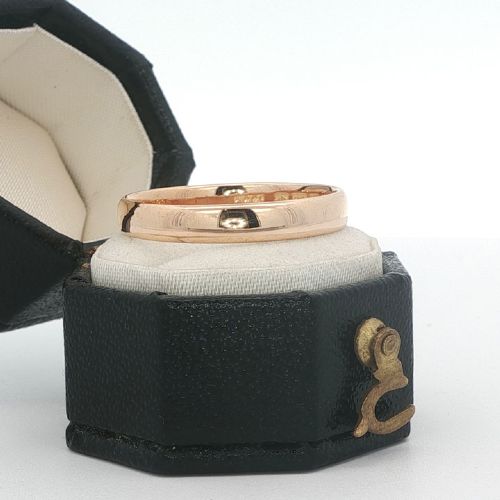
These bands were shaped from solid metals, predominantly utilising 22ct gold, 18ct gold, and 9ct gold, including distinct variations like 9ct rose gold and 22ct yellow gold. The choice of metal dictated the warmth and durability of the finished ring.
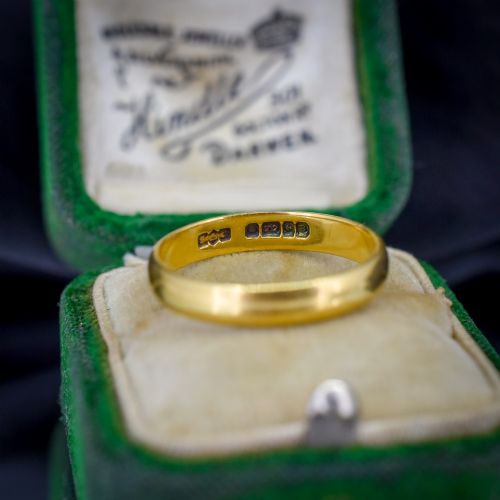
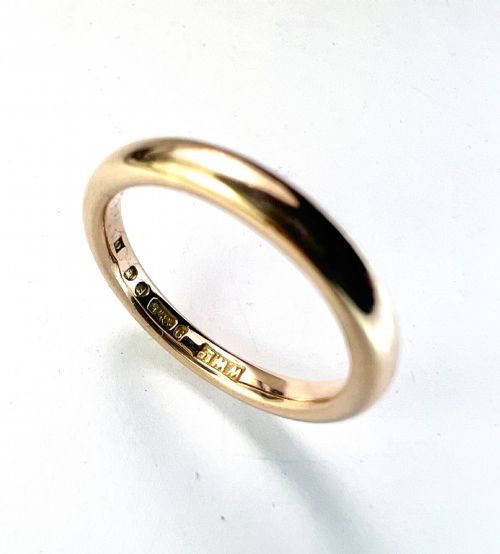
Maker marks and official hallmarking offices stamped the metal to certify purity and year of creation, a technique that provides precise dating for pieces spanning the late nineteenth century to the mid-twentieth century.
Vintage Plain Gold Band Retail Price Guide 2026
Typical asking prices for vintage plain gold band among the pieces listed under this phrase on Sellingantiques today, from the lower quarter to the upper quarter. They describe what is for sale here now, not the wider market.
One workshop marked its work simply as W. E. D. L, leaving a tiny cryptographic footprint inside a 1930s band.
Assessing quality and proportion
Quality in these rings is observed in the purity of the gold and the preservation of the original hallmarks and profiles. Bands fashioned from higher carat metals like 22ct gold display a richer colour and softer lustre compared to their 9ct counterparts.
The substance of the band, seen in its width and weight, determines how the metal ages through decades of daily wear on the hand. Clear stamps from makers and assay offices add historical integrity to the physical object.
W. E. D. L
The Vintage Plain Gold Band Glossary
- Hallmark
- An official stamp applied to precious metals indicating purity, origin, and the year of assay. These marks provide a reliable anchor for dating historical jewellery.
- Carat
- A measure of the purity of gold alloyed in a piece, with higher numbers denoting a greater proportion of pure gold. 22ct and 18ct represent high gold content.
- Wedding band
- A plain circular ring worn to signify marriage, historically styled without gemstones for daily utility. These form the core of the available selection.
- Stacking ring
- A slim ring designed to be worn in multiples on the same finger alongside other bands. The evidence includes pieces specifically noted for this purpose.
Vintage Plain Gold Band: Frequently Asked Questions
How do I know the exact age of a gold band?
Official hallmarks stamped inside the band often include date letters corresponding to specific assay office records. These stamps reveal the exact year the metal was tested and marked.
Additional clues come from the style and recorded history of the piece, helping to place it within the Victorian, Edwardian, or mid-century periods.
What is the difference between 9ct and 22ct gold rings?
The primary difference lies in the proportion of pure gold contained within the alloy. A 22ct gold band has a much higher gold content, resulting in a deeper colour and softer feel.
In contrast, 9ct gold contains more base metals, offering greater resistance to scratching during everyday wear while presenting a paler hue.
Were these rings worn as stacking bands originally?
While most were made as traditional wedding bands, some narrower examples from the mid-century period were also utilised for stacking. The width of the band often suggests its intended original function.
Today, collectors frequently wear these slim profiles either alone or combined with other historical rings.
How should I care for a vintage gold band?
Gentle cleaning with warm soapy water and a soft cloth helps maintain the polished surface of the metal without damaging historical hallmarks. Avoiding harsh chemicals preserves the integrity of the high-carat gold.
Regular inspection by a jeweller ensures the band retains its structural strength through continuous daily wear.