



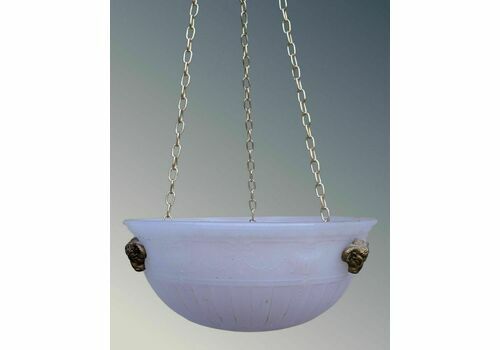


Vintage Pendant Bowl
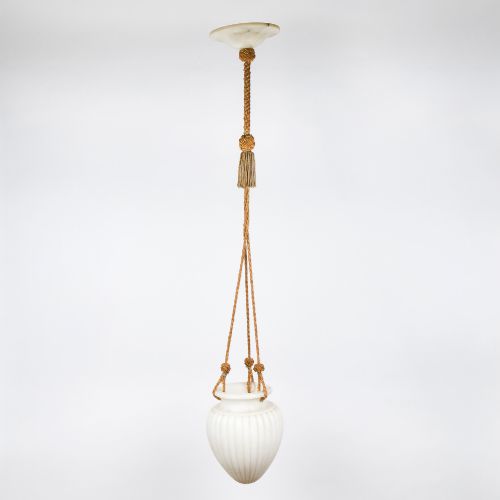
A vintage pendant bowl hangs close to the ceiling, diffusing direct illumination through alabaster, cut glass or moonstone.
Vintage Pendant Bowl
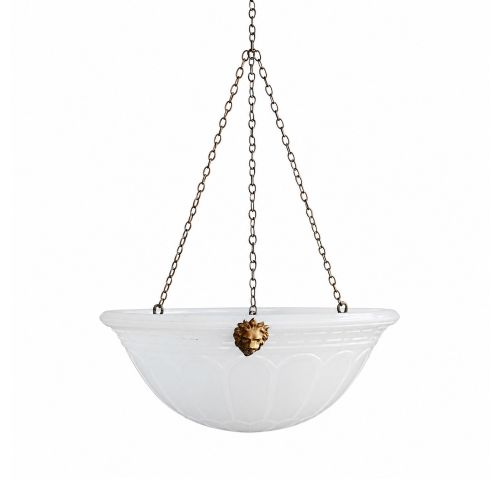
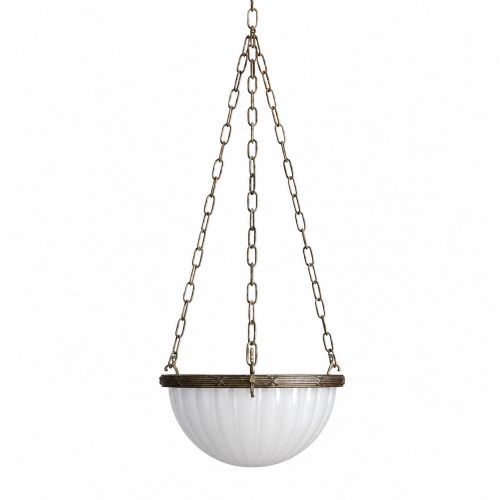
When you search for a vintage pendant bowl, you encounter a hanging ceiling light featuring a bowl-shaped shade suspended by metal chains, cord or rods. These fixtures function as primary overhead illumination in hallways, dining rooms and parlours, distributing a soft, downward spread of light.
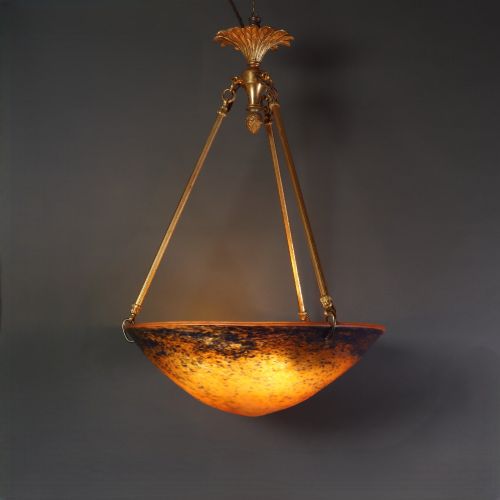
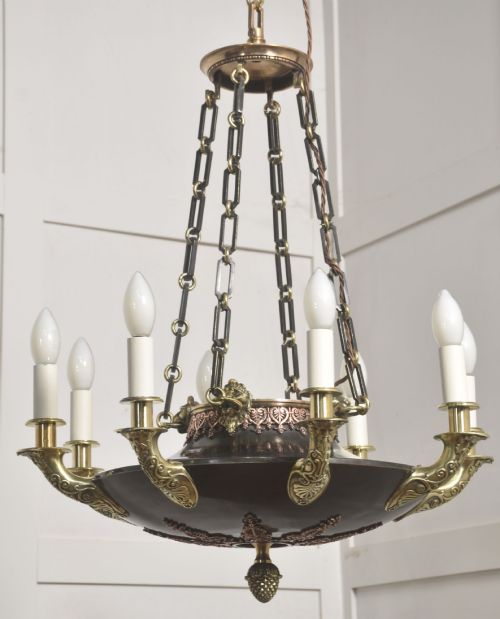
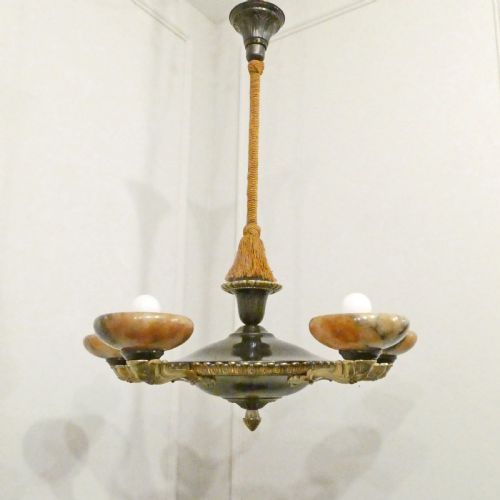
The selections span distinct periods, including Victorian, Edwardian, and Art Deco eras, alongside broader nineteenth-century designs. You find forms ranging from simple opaline dish lights and moonstone globes to elaborate chandeliers featuring bronze frames and mirrored glass.
Origin variations include English, Swedish, and French examples, often manifesting as plafonniers or hanging dish lights. The assortment covers simple glass shades as well as heavily ornamented fixtures with neoclassical or empire revival motifs.
Materials and construction
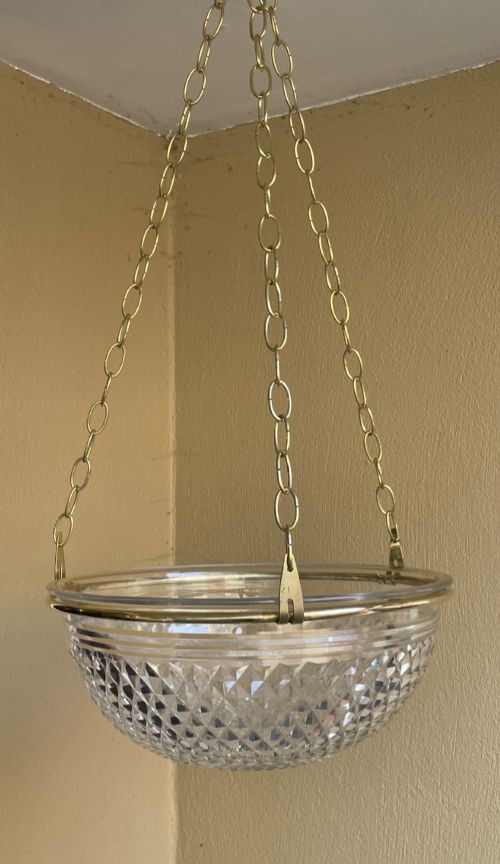
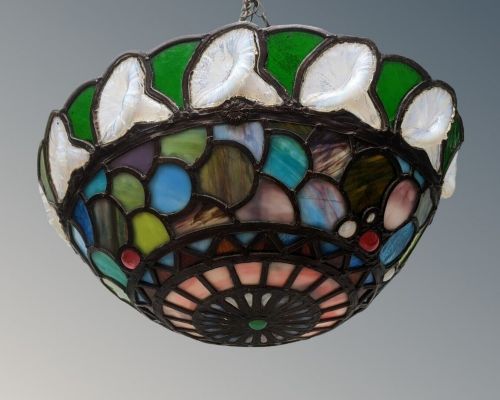
Glassmakers utilised several distinct techniques to shape the bowls, producing heavy moulded alabaster, wheel-cut crystal, and blown opalescent or moonstone glass. Some shades feature painted details or carved botanical and geometric patterns.
Metalwork frames and suspensions depend on sturdy brass, bronze, copper, and silver plating to support the weight of the glass bowls. Fabric cords and metal chains secure the fixtures to the ceiling roses, often incorporating decorative rams' heads or classical mounts.
Distinctions in quality
Superior examples display crisp hand-cut facets in heavy crystal and finely cast bronze or brass mounts with distinct decorative detailing. Poorer instances rely on thinner pressed glass and simplified metal components without refined chasing.
The weight and clarity of the alabaster or opalescent glass dictate the overall standard of the piece, where dense mineral consistency provides an even, warm glow. Inferior glass lacks the depth of colour and structural substance found in period originals.
The Vintage Pendant Bowl Glossary
- Plafonnier
- A ceiling light fixture with a bowl or dish shade fitted close to the ceiling or hung on short suspensions. This style directs the light source downward while concealing the bulb.
- Alabaster
- A fine-grained, translucent stone used extensively for carved lighting bowls. It diffuses illumination with a soft, uniform character.
- Moonstone glass
- A type of opalescent glass characterised by a milky, luminous appearance that resembles the gemstone. It softens harsh electric glare effectively.
- Cut glass
- Glass decorated by grinding facets and patterns into the surface using wheels. This technique enhances sparkle and light refraction.
Vintage Pendant Bowl: Frequently Asked Questions
How do I hang a pendant bowl?
These fixtures suspend from ceilings using original metal chains, rods or fabric cords attached to a ceiling rose. Ensure the electrical junction box supports the combined weight of the glass bowl and metal frame.
Professional installation is recommended for older wiring to ensure safety and secure anchoring into ceiling joists.
What rooms suit a ceiling bowl?
Pendant bowls work well in spaces with moderate ceiling heights where low-hanging chandeliers prove impractical. Hallways, bedrooms and dining areas benefit from the diffused, ambient spread of light.
Matching the period style of the fixture to the architectural character of the room creates a cohesive interior aesthetic.
How do I clean old glass bowls?
Remove the glass shade from the metal frame carefully if the mounting hardware allows safe detachment. Wash the glass in lukewarm water with mild soap and dry it thoroughly with a soft cloth.
Avoid submerging metal mounts or antique cords in water to preserve the original finishes and patinas.
How do I date these lights?
Examine the materials, hardware construction and stylistic motifs to determine the era of manufacture. Victorian and Edwardian pieces frequently feature cut crystal and silver plating, while Art Deco examples display geometric alabaster or pink glass.
Patina on the brass and bronze components also offers clues regarding the age of the fixture.