



Vintage Pedestal Dish
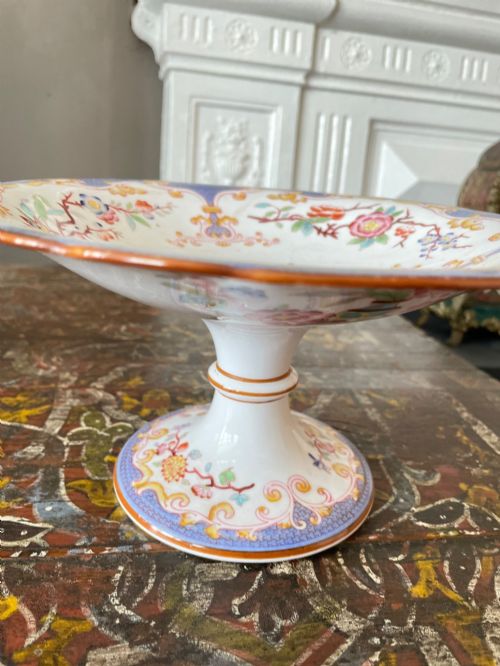
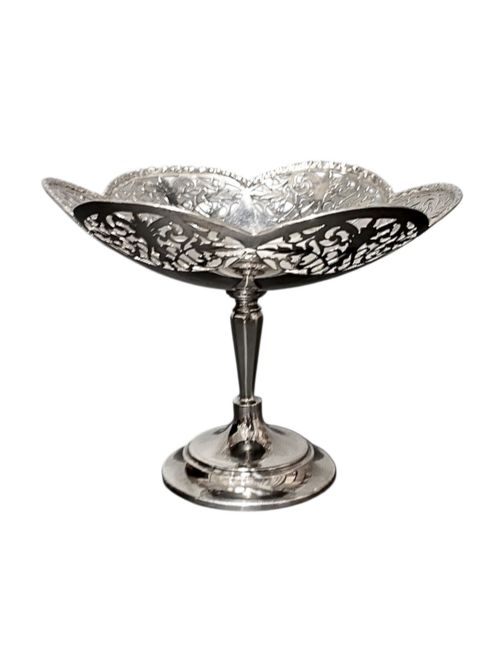
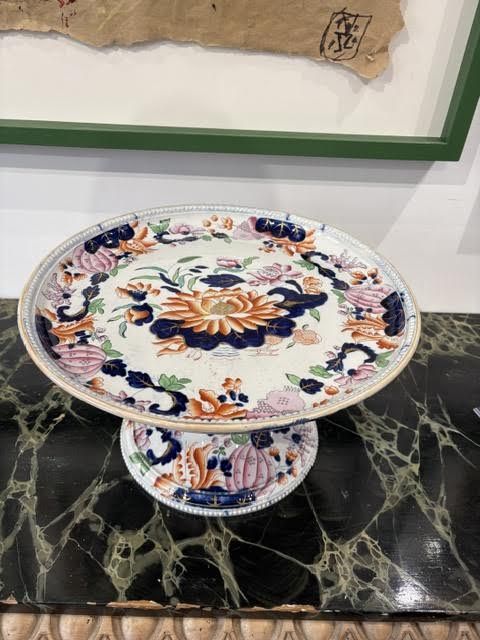
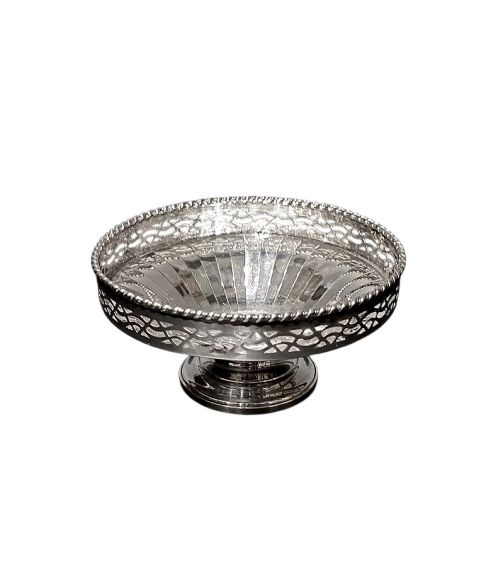
These vintage pedestal dish examples bring height and structure to a room, offering elevated display for fruit, sweets or decorative arrangements.
Vintage Pedestal Dish
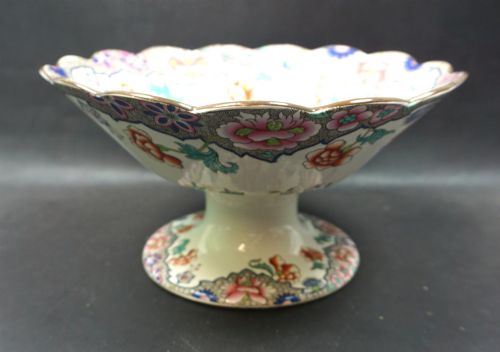
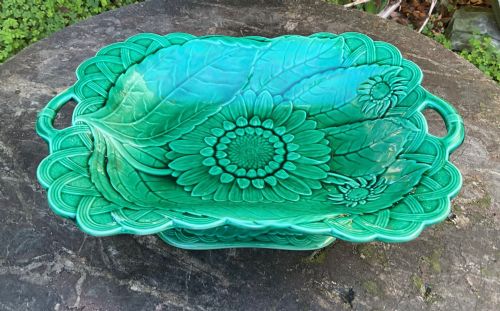
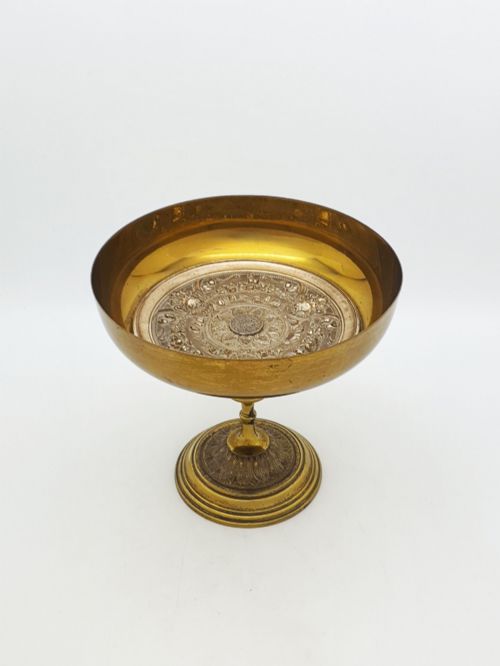
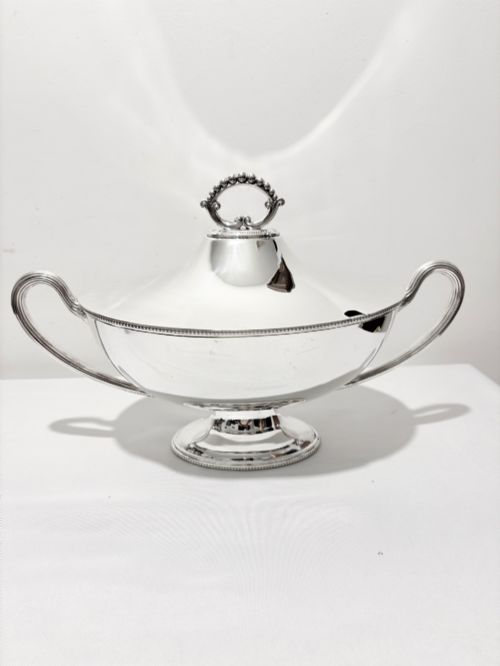
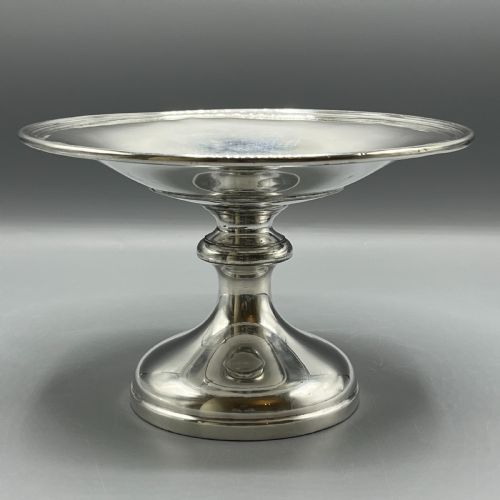
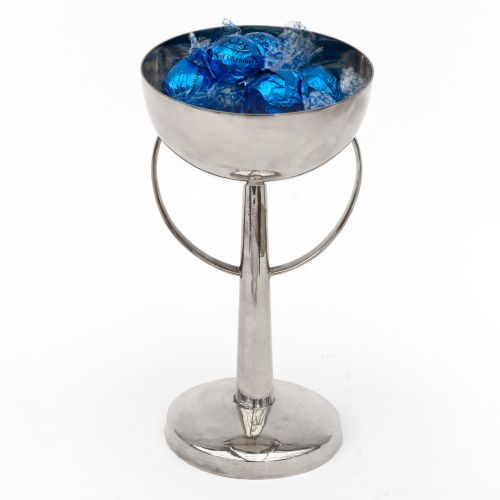
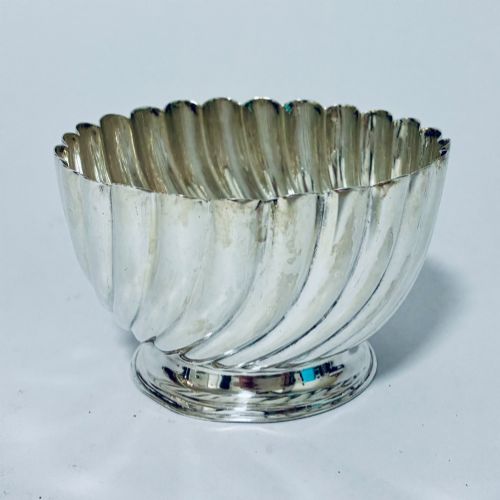
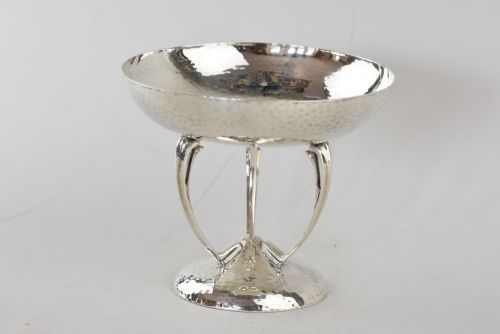
A vintage pedestal dish stands on an elevated foot, drawing the eye upward from a table surface. When searching for a vintage pedestal dish, collectors encounter diverse forms including tazzas, comports, footed bowls and fruit baskets.
The selection spans from Georgian and Victorian eras through Edwardian, Art Nouveau and Art Deco periods. Makers utilised silver, silver plate, cut glass, porcelain, earthenware, oak, mahogany and marble to shape these elevated vessels.
Materials and Techniques
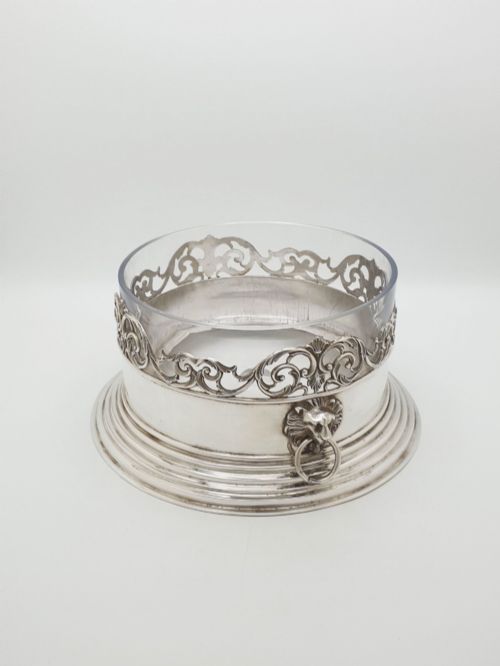
Silversmiths hammered metals or cast sterling silver and silver plate, frequently incorporating pierced decoration, applied enamel or repoussé work. Glassmakers produced cut glass bowls and gilded vessels adorned with grapevine motifs.
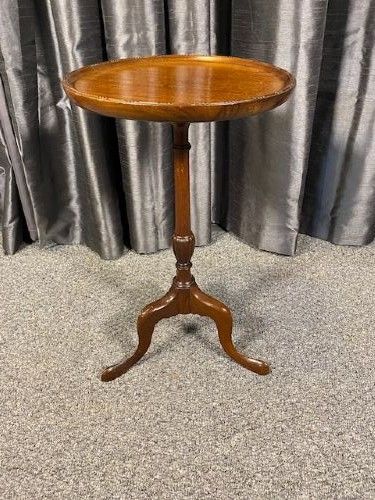
Potters shaped porcelain, ironstone and earthenware, finishing them with blue and white glazes or lustres. Woodworkers turned walnut, carved oak with fruiting vines or constructed occasional tables in mahogany and satinwood.
Vintage Pedestal Dish Retail Price Guide 2026
Typical asking prices for vintage pedestal dish among the pieces listed under this phrase on Sellingantiques today, from the lower quarter to the upper quarter. They describe what is for sale here now, not the wider market.
Design styles transition from Victorian and Georgian revivals through organic Art Nouveau curves to geometric Art Deco forms.
Evaluating Quality
Quality rests in the crispness of the casting, the depth of hand-cut facets in glass, and the precision of carved details in wood or metal. Maker marks from established firms and silversmiths elevate a piece significantly.
The integration of the pedestal with the bowl dictates overall balance and structural integrity. Intricate hand-painted enamel, applied porcelain figures or well-preserved gilding separate standard production from superior examples.
Goldsmiths and Silversmiths Company·Mappin and Webb·Schierholz Plaue·Elkington and Co·Ferdinand Preiss
The Vintage Pedestal Dish Glossary
- Tazza
- An Italian term for a shallow saucer or bowl mounted on a stem and foot, commonly used for serving small items or fruit. These pieces provide distinct vertical accent on dining tables.
- Comport
- A large footed dish or bowl designed for serving fruit, sweets or nuts at the table. They frequently appear in ceramic, glass or metal.
- Chryselephantine
- A sculpture technique combining bronze and ivory, popular during the Art Deco period. Such figures occasionally incorporate carved pedestal elements.
- Treen
- Small handmade wooden household objects turned on a lathe or carved by hand. These utilitarian items exhibit visible grain and aged patination.
Vintage Pedestal Dish: Frequently Asked Questions
What is a pedestal dish used for?
These elevated vessels serve fruits, bonbons, nuts and sweetmeats during formal dining. They also function as standalone decorative centerpieces on sideboards and occasional tables.
Their raised profile creates visual hierarchy among table settings and allows smaller items to be displayed with greater prominence.
How do I style a pedestal dish?
Place the dish centrally on a dining table, coffee table or sideboard to add vertical interest to the room. Fill them with seasonal fruit, polished glass baubles or decorative spheres.
Ensure the surrounding surface has adequate clearance so the elevated form remains the focal point of the display.
How do I identify the period?
Examine the materials, manufacturing marks and decorative motifs characteristic of specific eras. Heavy cut glass and elaborate ornamentation often point to Victorian or Edwardian production.
Sleek geometric lines, stylized motifs and chrome or oak constructions typically indicate Art Deco design from the 1920s and 1930s.
Are silver pedestal dishes difficult to maintain?
Solid silver and silver-plated vessels require periodic polishing with a soft cloth and appropriate cleaning paste to prevent tarnish accumulation. Regular handling and proper storage in dry environments keep the metal bright.
Avoid harsh abrasive cleaners that can wear away thin silver plate or damage delicate engraved surface details.