


Vintage Patio Table
A vintage patio table brings enduring character to an outdoor space, combining robust metal frames with classic stone or timber tops.
Vintage Patio Table
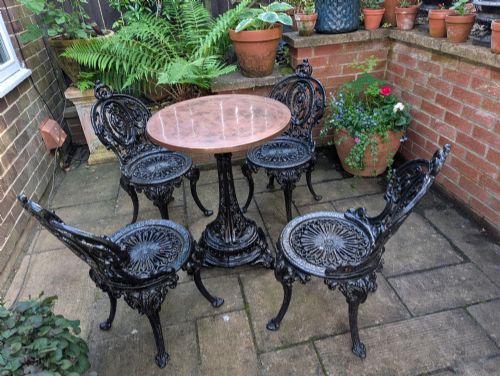
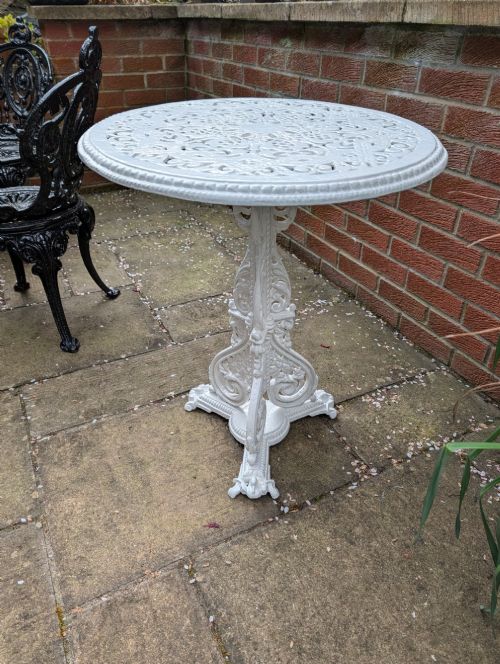
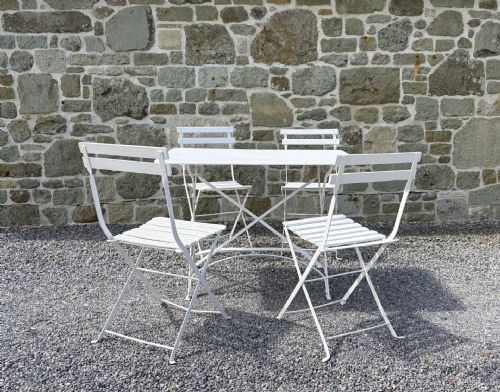
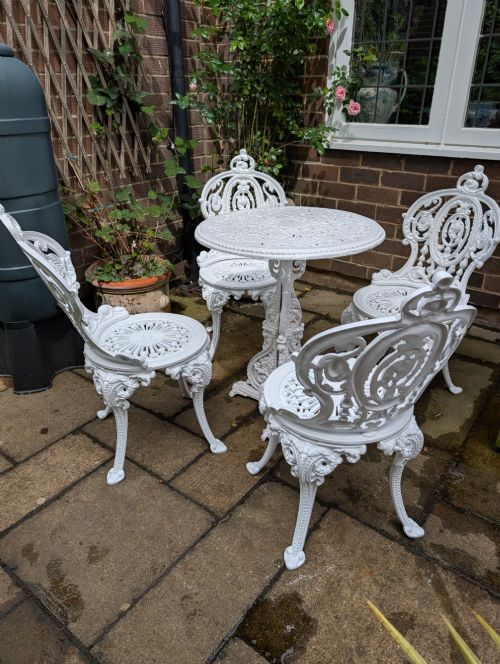
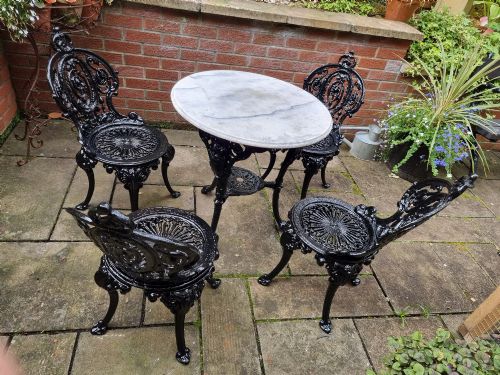
A vintage patio table serves as a functional centrepiece for gardens and terraces, drawing on robust materials and enduring designs from the nineteenth and early twentieth centuries. Buyers seeking a vintage patio table encounter various forms, from round bistro surfaces to larger dining sets and pub tables designed for outdoor use.
The selections span distinct periods including Victorian and Edwardian eras, alongside 1920s French bistro styles and 1930s garden furniture. These examples originate from diverse regions, bringing continental café culture or traditional British garden aesthetics directly to a modern terrace.
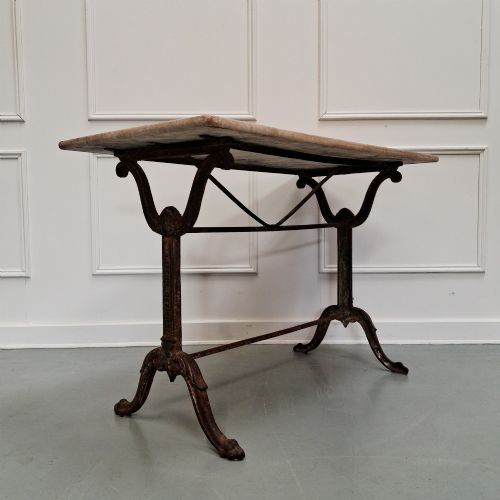
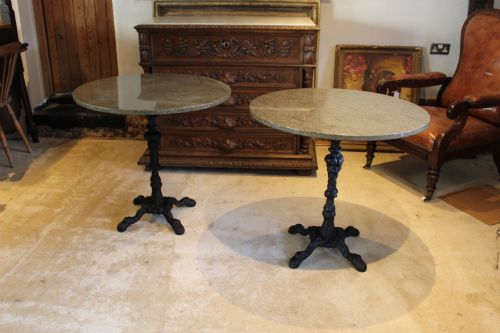
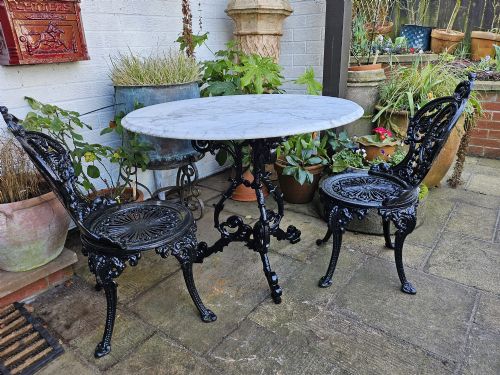
Most pieces combine a sturdy metal base with a contrasting surface, such as smooth marble, polished granite, or weathered timber. These tables accommodate everyday outdoor dining or serve as decorative side surfaces in a courtyard.
How they were made
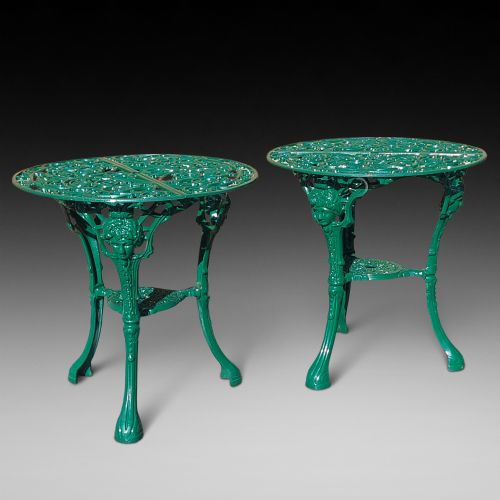
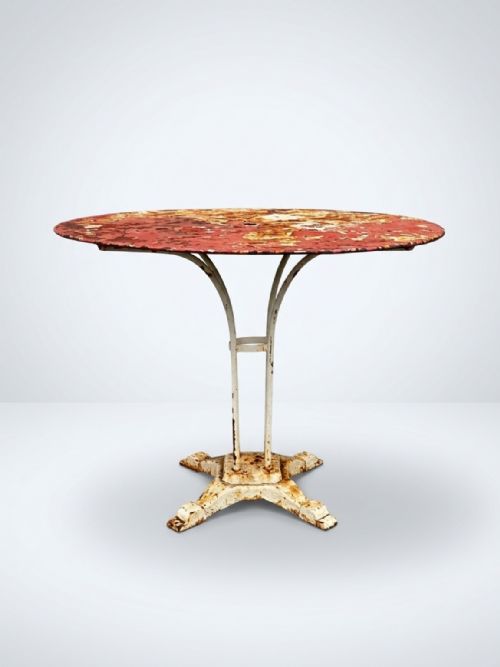
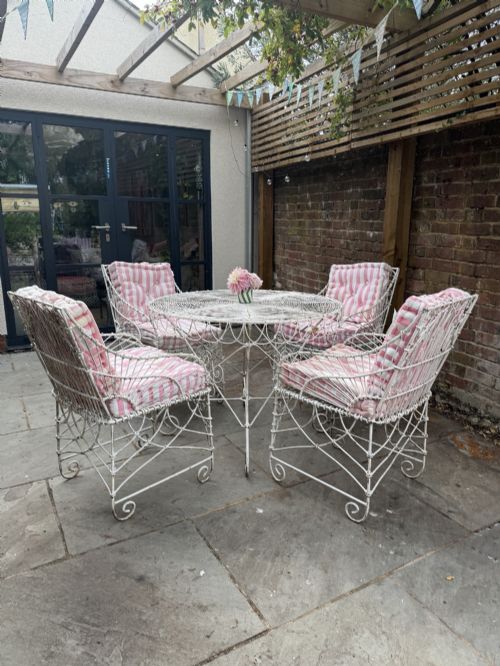
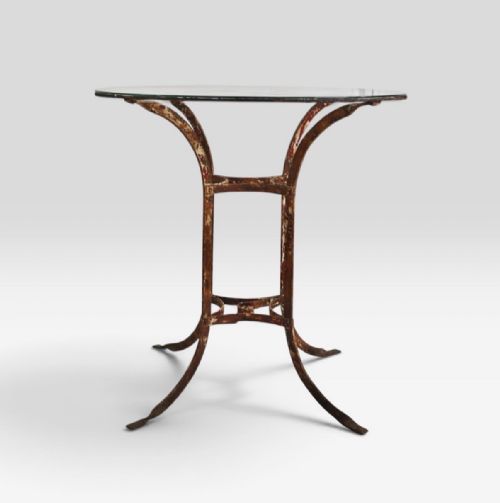
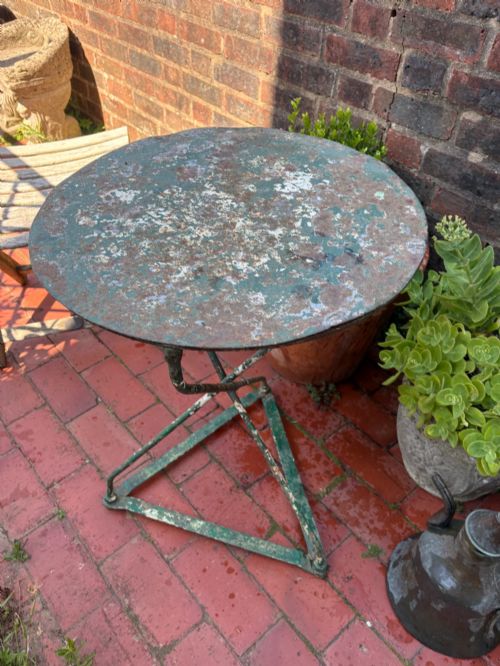
Makers utilised durable metals for the structural bases, employing cast iron, wrought iron, wirework, and sheet metal to form intricate scrollwork, sturdy legs, and supportive frames. These metal components frequently received protective layers of paint or retained their oxidised surfaces from decades of exposure.
Table surfaces incorporated heavy materials such as marble, stone, zinc, copper, and cedar or pine wood. These tops were secured to the metal frames using traditional mechanical fixings, creating robust furniture designed to withstand regular use.
Some tables double as industrial mangle bases, proving that heavy laundry equipment makes surprisingly sturdy tea-drinking surfaces.
What varies in quality
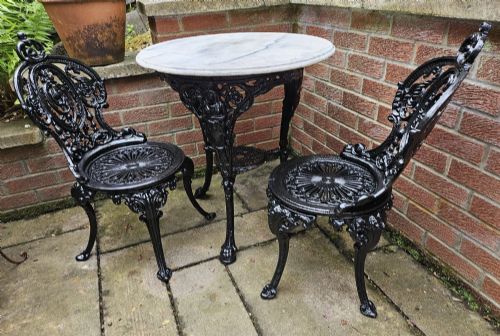
The fineness of the casting work and the intricacy of the metal patterns distinguish standard production items from exceptional examples. Superior pieces display crisp detailing in the cast iron and robust structural integrity across the frame.
The choice and preservation of the table top significantly influence the character of each piece. Heavy marble or polished granite slabs paired with intricate iron bases represent the upper tier of craftsmanship within these outdoor furnishings.
Christopher Dresser
The Vintage Patio Table Glossary
- Cast iron
- An iron-carbon alloy poured into moulds to create intricate, solid furniture bases and decorative garden supports. This material provides substantial weight and durability for outdoor use.
- Wrought iron
- Iron heated and hammered into shape by hand, producing flexible, strong structural elements for garden tables and chairs. It is recognisable by its fibrous texture and subtle variations.
- Gueridon
- A small round occasional table supported by a central pillar or multiple legs, frequently topped with marble or wood. This French form translates well to compact outdoor seating areas.
- Wirework
- Metal furniture constructed from interwoven wire strands, creating lightweight yet robust garden tables and seating popular during the Victorian period. It offers a delicate appearance while remaining structurally sound.
- Bistro table
- A compact table designed for small cafés and domestic terraces, typically featuring a single central cast iron pedestal and a round marble or wooden top.
Vintage Patio Table: Frequently Asked Questions
How do I identify a Victorian table?
Victorian pieces often feature heavy cast iron bases with distinct botanical or geometric scrollwork, frequently paired with marble or timber tops. Examining the weight, casting clarity, and fastener types helps confirm the period.
These tables were built to endure regular outdoor use, meaning older examples often display authentic patination on the metal and stone surfaces from decades in the garden.
Can I leave my table outside all year?
Most metal and stone pieces tolerate outdoor conditions well due to their robust construction materials. However, wooden elements and painted finishes benefit from protective covering during harsh winter weather.
Moving vulnerable marble or wooden tops into a shed or garage during freezing months prevents weather damage and preserves the integrity of the materials.
How do I clean a marble top?
Clean the stone surface using warm water and a soft cloth, avoiding harsh chemical cleaners that can etch the polish. Gentle maintenance preserves the natural veining and finish of the material.
Regular wiping prevents dirt accumulation in the porous areas of older marble, keeping the surface suitable for outdoor dining and entertaining.
What styles are available?
The selection includes Victorian designs, French country styles, Edwardian pieces, and 1920s bistro tables. Each style offers distinct aesthetic qualities ranging from ornate cast iron to simpler wirework and wooden constructions.
These varied designs allow buyers to match their patio furniture to specific architectural periods or create an eclectic arrangement in a garden setting.