

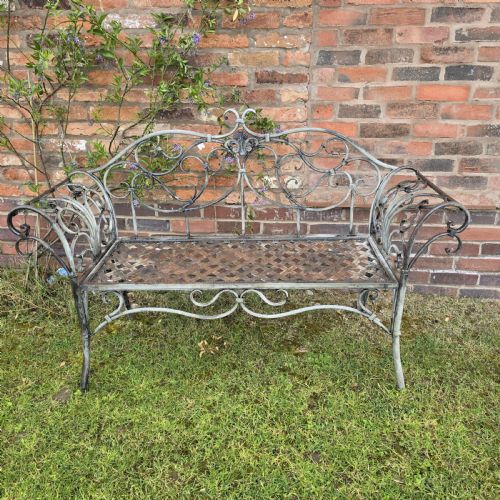

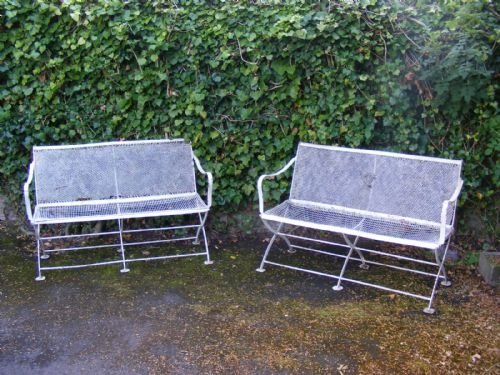

Vintage Patio Seating
These vintage patio seating pieces bring enduring character to outdoor spaces through robust metalwork and classic garden forms.
Vintage Patio Seating
Vintage patio seating encompasses durable outdoor furniture designed for gardens, terraces, and conservatories, drawing on historical forms from the nineteenth and twentieth centuries. Buyers searching for vintage patio seating will discover an assortment of garden benches, bistro sets, dining chairs, and armchairs spanning periods from the Victorian era through the mid-twentieth century.
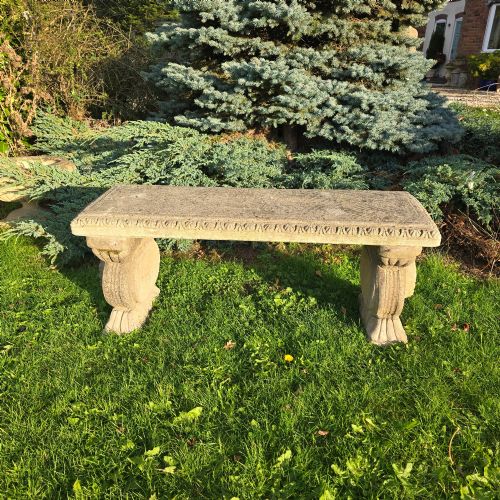
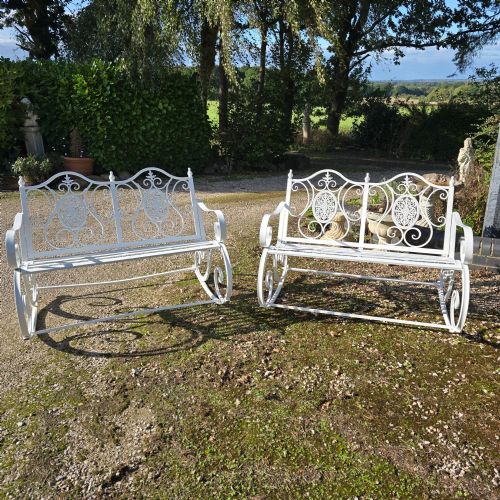
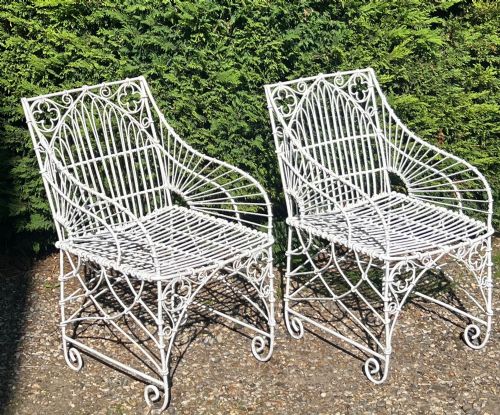
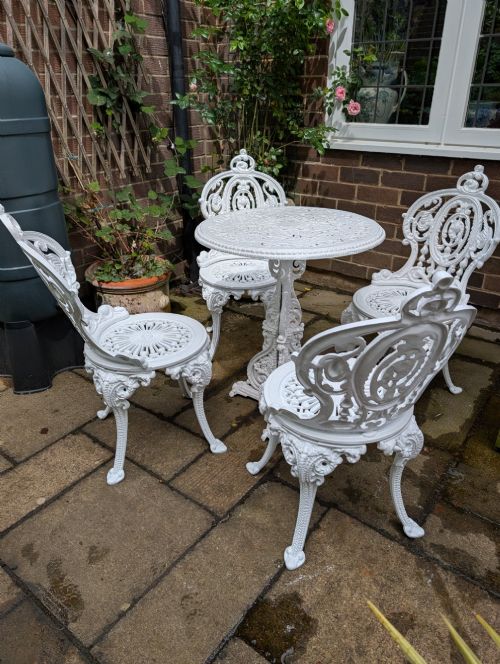
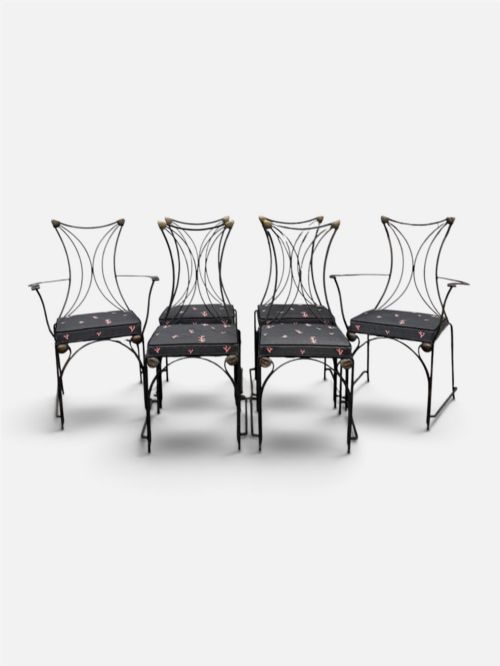
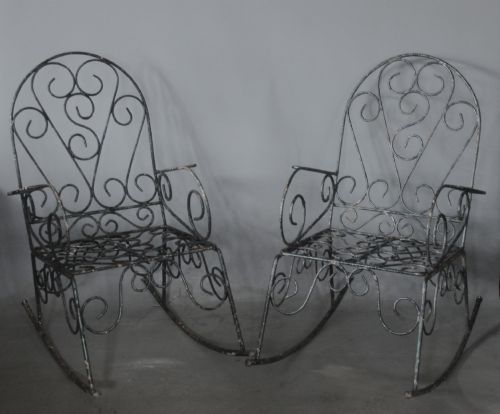
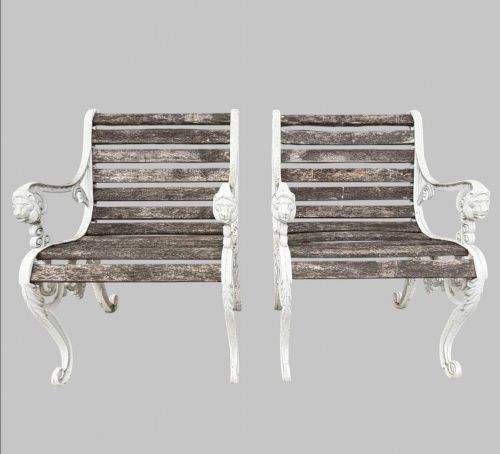
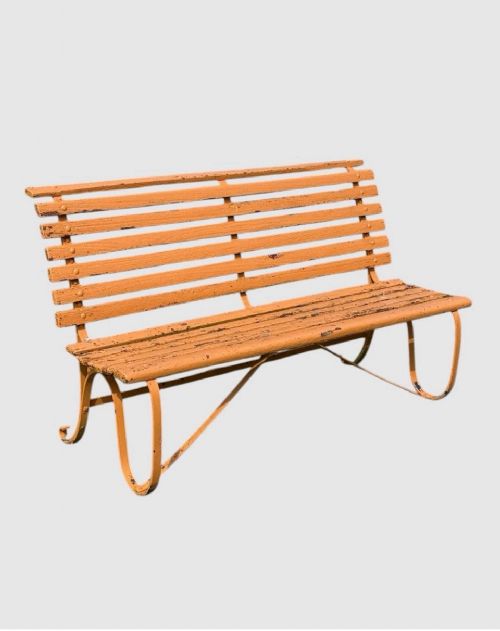
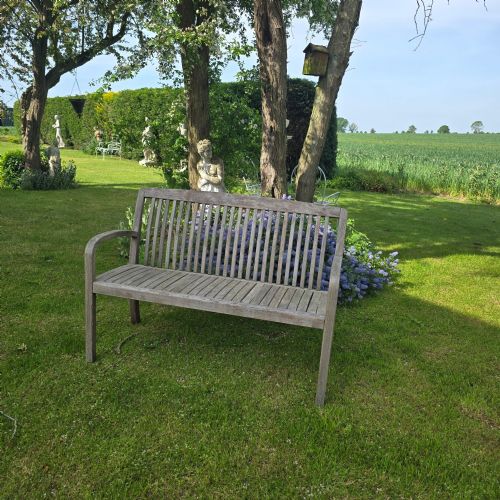
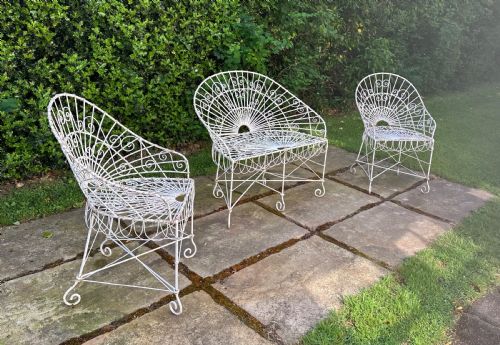
The selection on this page leans heavily toward mid-twentieth century and earlier pieces, featuring French bistro sets, Gothic style chairs, and robust garden benches. Form follows function closely here, with folding designs, rocking chairs, and matching dining sets built to endure the elements while providing comfortable outdoor repose.
How They Were Made
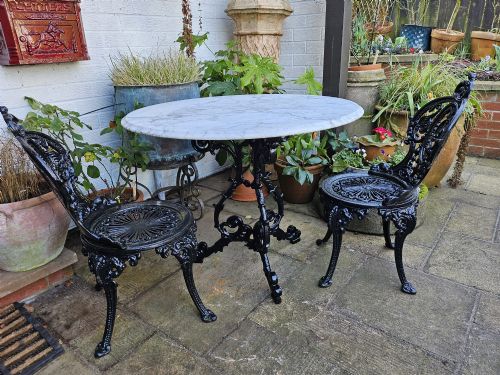
Makers utilised heavy metals such as cast iron, wrought iron, and wirework to build durable outdoor frames, often combining them with wooden slats or marble tabletops. These materials were shaped through forging, casting, and wire-bending techniques designed to withstand outdoor conditions.
Surface treatments like paint and natural weathering protected the underlying metal and wood while developing characteristic patinas over decades of use. Details such as lion masks, brass accents, and strap work demonstrate the integration of decorative artistry with structural metalwork.
Vintage Patio Seating Retail Price Guide 2026
Typical asking prices for vintage patio seating among the pieces listed under this phrase on Sellingantiques today, from the lower quarter to the upper quarter. They describe what is for sale here now, not the wider market.
What Varies in Quality
The distinction between ordinary and exceptional vintage patio seating lies in the crispness of the casting details and the integrity of the original construction. Pieces featuring hand-forged scrollwork or distinctive ornamentation, such as lion masks or shell motifs, demonstrate superior craftsmanship.
Structural preservation and the harmonious weathering of materials further differentiate the pieces. Original painted surfaces or well-maintained timber slats retain historical authenticity that elevates the overall character of the furniture.
Christopher Dresser
The Vintage Patio Seating Glossary
- Cast iron
- A sturdy material poured into moulds to create rigid garden furniture frames with intricate decorative relief patterns. This method allowed makers to produce ornate benches and chairs featuring complex motifs.
- Wrought iron
- Iron beaten and bent by hand into durable outdoor furniture frames. This material offers greater flexibility than cast iron, resulting in elegant scrollwork and structural resilience.
- Wirework
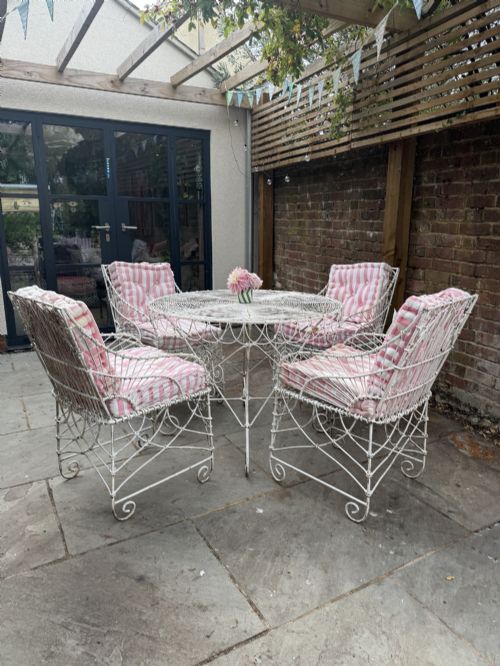
- An intricate technique of bending and weaving metal wire into lightweight garden tables and chairs. This style gained popularity in the nineteenth century for its delicate appearance and garden drainage properties.
- Strap work
- Flat strips of metal arranged in geometric patterns across the backrests or seats of garden chairs and benches. This technique defines the Regency style of outdoor seating.
Vintage Patio Seating: Frequently Asked Questions
How do I protect vintage metal seating outdoors?
Keep metal furniture clean and dry during harsh winter months to prevent excessive rust formation. Applying protective waxes or specialised outdoor coatings helps preserve the surface.
Position pieces on paved surfaces rather than directly on damp grass to minimise moisture absorption from the ground. Regular gentle washing maintains the historical patina without damaging the underlying metal.
Can I leave cast iron benches outside all year?
Cast iron handles outdoor conditions well due to its heavy mass and durable composition. However, freezing water trapped in crevices can cause cracking during severe winter weather.
Store pieces in a sheltered shed or garage during the coldest months to ensure longevity. Covering them securely also prevents debris accumulation in intricate scrollwork.
How do I identify Victorian garden chairs?
Victorian garden chairs frequently feature heavy cast iron frames with naturalistic motifs such as ferns, grapes, or Gothic arches. The construction typically employs robust bolts and traditional foundry marks.
These pieces often display a heavier build compared to later mid-century counterparts. Examining the weight and the depth of the casting relief helps distinguish the period.
Are wirework garden sets comfortable to use?
Wirework furniture offers surprising spring and resilience due to the woven construction of the seats and backs. The open grid design prevents rainwater from pooling on the surface.
Many users add fitted cushions to soften the wire mesh for extended sitting. This combination provides both historical charm and modern comfort in the garden.