



Vintage Park Painting
A vintage park painting captures open green spaces and public grounds, offering a distinct slice of historic outdoor leisure for your walls.
Vintage Park Painting
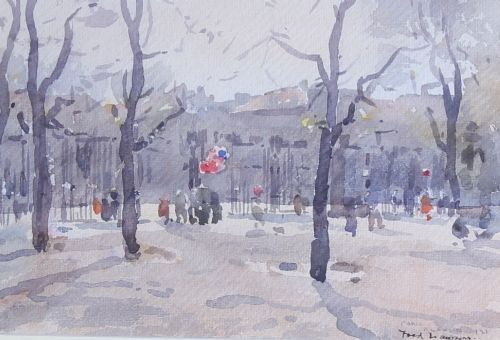
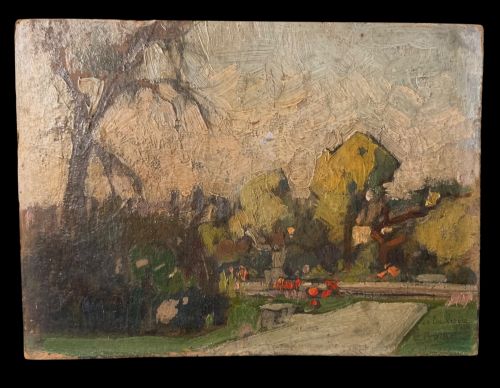
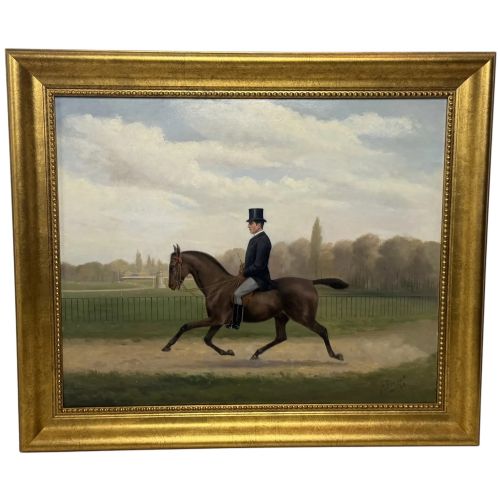
When you search for a vintage park painting, you encounter artworks depicting public gardens, city squares, and recreational landscapes from various historic periods. The selection includes works executed in oil on canvas, oil on board, and watercolour.
Most examples originate from the nineteenth and twentieth centuries, spanning Victorian, Edwardian, and post-war eras. These pieces often portray specific locations such as London parks and French gardens, rendered through Impressionism and Post-Impressionism.
Alongside framed canvases and watercolours, related topographical scenes appear, ranging from winter park views to plein air compositions. These artworks document historical green spaces through the distinct artistic movements of their time.
How these artworks were produced
Artists utilised oil paint on canvas or wooden board, applying pigments with brushes to build texture and depth in outdoor scenes. Watercolours on paper also appear, capturing lighter atmospheric effects in urban green spaces.
Plein air methods allowed painters to work directly out of doors within public grounds, recording changing natural light and seasonal foliage on the spot. Studio finishing followed, incorporating Impressionist and Post-Impressionist techniques to interpret public landscapes.
Vintage Park Painting Retail Price Guide 2026
Typical asking prices for vintage park painting among the pieces listed under this phrase on Sellingantiques today, from the lower quarter to the upper quarter. They describe what is for sale here now, not the wider market.
Listings feature oil on canvas, oil on board, and watercolour mediums spanning the Victorian era through to the nineteen-fifties.
What separates the finest works
The degree of artistic execution and handling of light define the upper tier of these paintings. Brushwork that successfully conveys movement and atmosphere separates accomplished compositions from more rigid topographical records.
Provenance and documented artist attribution elevate certain pieces significantly. Works bearing signatures from known painters or established exhibition histories demonstrate superior historical and aesthetic value.
Eugene Bullio·Reginald Arthur Borstel·Charles E Cundall·Henry Sanders·Beatrice Parsons·Hermoine Hammond
The Vintage Park Painting Glossary
- Plein air
- Painting outdoors to capture direct observations of natural light and atmosphere. This method became central to Impressionist and post-Impressionist landscape work.
- Oil on board
- An artwork created by applying oil paint directly onto a prepared wooden or composition board surface rather than stretched canvas.
- Impressionism
- A nineteenth-century art movement characterised by relatively small, thin yet visible brush strokes and an emphasis on accurate depiction of light.
- Watercolour
- A paint wherein the colour pigments are suspended in a water-based solution, typically applied to paper to achieve translucent effects.
Vintage Park Painting: Frequently Asked Questions
What is a vintage park painting?
It is an artwork depicting public grounds, urban gardens, and historic green spaces, created during the nineteenth or twentieth centuries.
These pieces reflect artistic movements such as Impressionism and record historic outdoor leisure across various cities.
How do I hang a canvas safely?
Ensure your wall fixings match the weight of the framed canvas and use sturdy picture wire secured to the wooden stretcher frame.
Keep oil paintings away from direct sunlight and excessive humidity to protect the paint surface and canvas over time.
How do I identify the period?
Examine the framing materials, canvas preparation, and stylistic clues within the brushwork to determine the likely era of creation.
Signatures, artist attribution, and recorded subject matter often provide further historical context for dating the work.
Are watercolours different from oils?
Watercolours use a water-based medium on paper to create translucent, delicate washes of colour and light.
Oil paintings utilise pigmented oils on canvas or board, offering thicker texture, deeper colour saturation, and greater durability.