

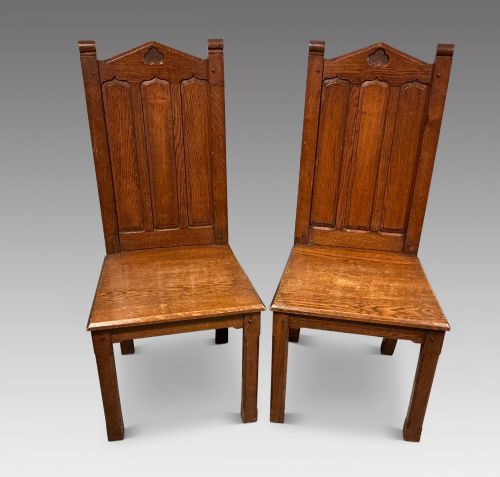


Vintage Panel Back Chair
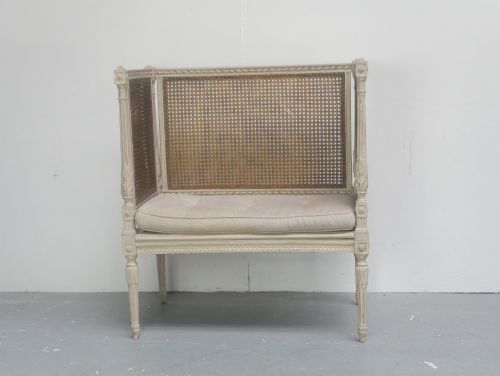
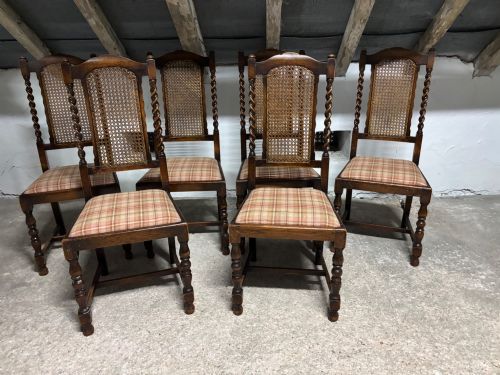
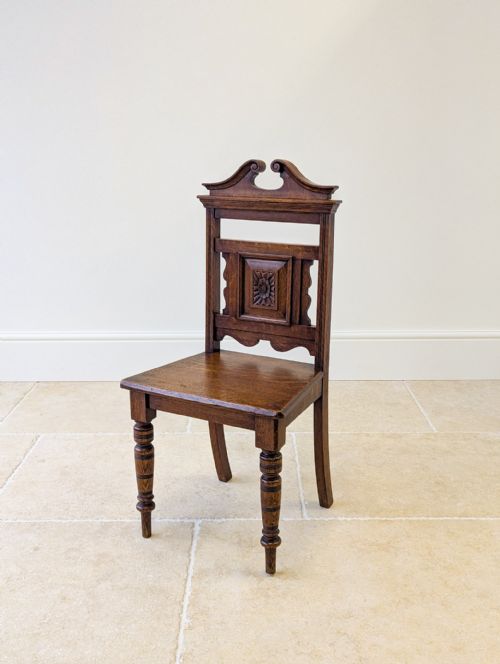
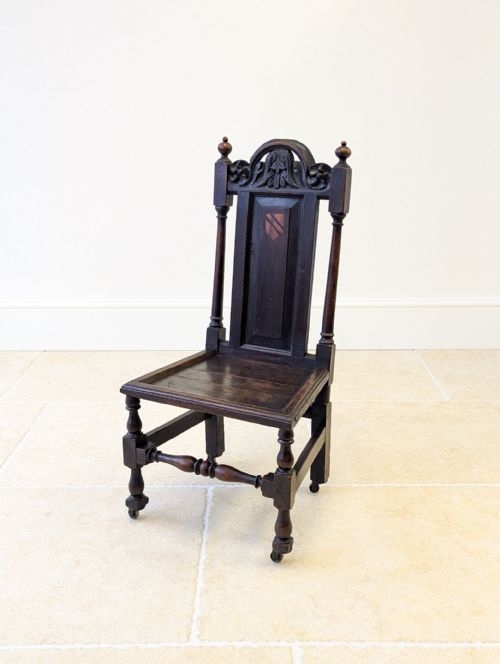
These vintage panel back chair examples combine sturdy timber frames with architectural wooden panels, offering practical seating rooted in historic revival styles.
Vintage Panel Back Chair
A vintage panel back chair brings solid timber construction and distinct architectural backrests into domestic spaces. These pieces draw heavily on historical aesthetics, appearing across various forms including hall chairs, dining sets, armchairs, and desk chairs.
The selections on this page span several distinct eras, stretching from Georgian and Victorian periods through Edwardian items and twentieth century revivals. Oak dominates the material record, frequently accompanied by secondary elements like leather, fabric, and cane.
Buyers frequently encounter revival pieces reflecting Tudor, Jacobean, and Gothic tastes. These chairs serve functional seating roles while introducing significant historic character to hallways, dining rooms, and studies.
How they were made
Carpenters constructed these chairs primarily using solid oak and other timber species, employing traditional joinery methods to secure vertical and horizontal wooden members. Panels were typically inset into grooved frames to allow for natural wood movement.
Surface detailing often involved carved motifs, moulded edges, and turned supports, echoing earlier centuries of cabinet making. Additional materials such as leather panels, brass hardware, and woven cane were integrated to enhance comfort and visual texture.
Vintage Panel Back Chair Retail Price Guide 2026
Typical asking prices for vintage panel back chair among the pieces listed under this phrase on Sellingantiques today, from the lower quarter to the upper quarter. They describe what is for sale here now, not the wider market.
What varies in quality
The distinction between ordinary and superior examples lies in the integrity of the timber and the crispness of any carved detailing. Heavier gauge oak and well executed joints produce a sturdier structure that withstands decades of daily use.
Proportion and authenticity of the revival style also dictate standing within the range. Pieces that accurately mirror historical proportions without feeling overly heavy demonstrate greater design success and structural harmony.
The Vintage Panel Back Chair Glossary
- Panel back
- A chair back constructed primarily from one or more flat or raised wooden panels fitted within a framed structure. This design provides robust support and ample surface area for decorative carving.
- Jacobean Revival
- A nineteenth and twentieth century design movement that reinterprets seventeenth century English furniture styles. It is characterised by dark oak, geometric mouldings, and substantial turned legs.
- Wainscot chair
- An early form of heavy wooden armchair constructed with panelled backrests and solid seats. These pieces derive their name from wainscot oak panelling used in traditional domestic interiors.
- Hall chair
- A rigid, often high backed wooden chair designed for placement in entrance halls rather than prolonged sitting. They frequently feature carved crests, painted family crests, or solid panelled backs.
- Lambing chair
- A traditional enclosed armchair featuring solid wooden sides and a high back designed to shield the occupant from drafts. Welsh variants sometimes incorporate rockers or child sized proportions.
Vintage Panel Back Chair: Frequently Asked Questions
What is a panel back chair?
A panel back chair is a wooden seat featuring a flat or carved wooden panel set into the frame of the backrest. These chairs draw inspiration from historical furniture traditions.
They offer robust construction and distinct architectural character, making them popular choices for traditional interiors and period settings.
How do I date a wooden chair?
Dating a wooden chair involves examining the tool marks, timber species, joinery techniques, and overall wear patterns. Revival pieces often mimic older styles but display modern manufacturing methods.
Comparing the construction details against documented period examples helps establish an accurate timeframe for manufacture.
Where should I place a hall chair?
Hall chairs suit entranceways, landings, and narrow corridors where space is limited and seating is used intermittently. Their upright posture encourages brief seating rather than lounging.
They also function effectively as decorative accent pieces against plain walls in dining rooms or studies.
Are these chairs comfortable for daily use?
Many solid wood panel back chairs prioritize durability and architectural presence over ergonomic cushioning. Adding loose cushions can improve comfort for extended seating periods.
Upholstered variants or models featuring padded leather panels offer a softer seating experience straight away.