
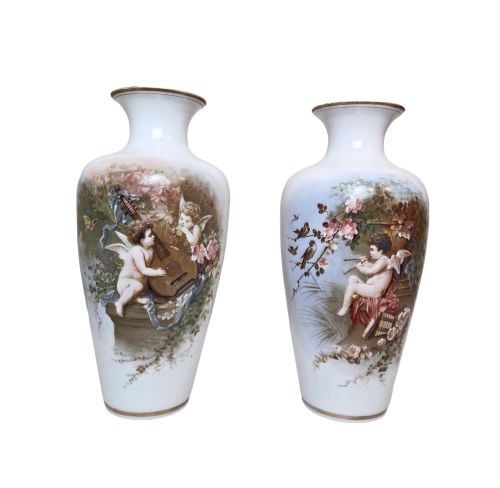
Vintage Painting Pair
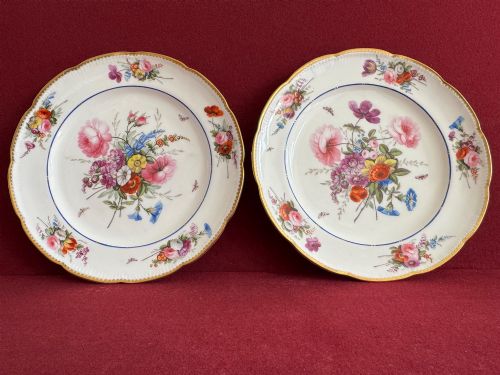
A vintage painting pair brings symmetrical balance to a room, offering matched artistic vision across canvases or porcelain panels.
Vintage Painting Pair
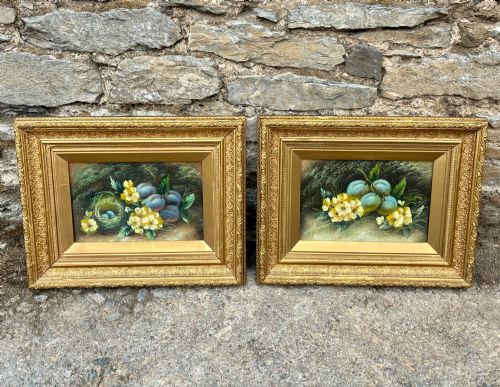
A vintage painting pair consists of two matched pictorial works created as companion pieces, spanning oil paintings, pastels, silk art, and miniature portraits. These artworks emerge from periods such as the nineteenth century, Edwardian era, and mid-twentieth century.
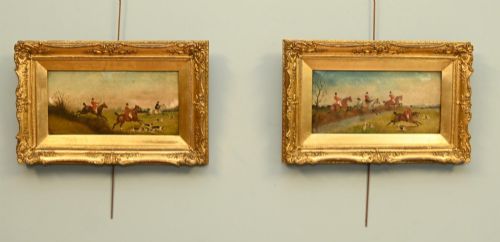
Buyers seeking a vintage painting pair encounter subjects ranging from fox hunting scenes and marine sunrises to children's portraits and Chinese Shan Shui landscapes. Many of these works retain their original frames, preserving the historical pairing.
Companionship defines these items, whether they depict opposing views like sunrise and sunset or identical decorative panels in Neoclassical and French styles.
Materials and Techniques
Artists painted these works using oil, pastel, or water-based pigments on canvases, paper, silk, and wood panels. Gilt frames often enclose the artwork, utilising gold leaf applied over gesso to create decorative moulded borders.
Support structures rely on traditional woodworking techniques, incorporating wooden stretchers for canvases and handcrafted frames that mirror one another in proportion and detail.
Companion portraits often capture two distinct subjects staring politely across the room at each other for over a century.
Determinants of Quality
The standard of a vintage painting pair rests upon the clarity of the brushwork, the expressiveness of the subjects, and the harmonious balance between the two companion pieces. Superior examples demonstrate confident execution by skilled hands rather than hurried commercial production.
The preservation of the original framing and surface pigment heavily influences the integrity of the pair. Matched frames that share identical wear and gilt application maintain the intended visual symmetry better than mismatched later replacements.
Emily Eyres·B. Nash
The Vintage Painting Pair Glossary
- Gesso
- A plaster-like mixture applied to wood or canvas as a base for painting or for moulding gilt frames. It provides a smooth surface for the application of gold leaf.
- Gold Leaf
- Gold beaten into extremely thin sheets used for gilding frames and decorative surfaces. It catches the light and adds metallic warmth to the artwork.
- Pastel
- A dry painting medium consisting of powdered pigment and a binder. Pastel portraits rely on chalky colour application requiring protective glass framing.
- Shan Shui
- Chinese landscape painting style featuring natural scenery such as mountains, rivers, and waterfalls. These works are frequently executed on silk.
- Stretchers
- The wooden frames upon which canvas paintings are stretched tight. Original stretchers help date the construction age of the artwork.
Vintage Painting Pair: Frequently Asked Questions
How do I hang a vintage painting pair?
Hang the two pieces at eye level with consistent spacing between them to maintain their visual dialogue. Aligning the top edges creates a formal arrangement, while staggering them suits asymmetrical interior layouts.
Ensure both works receive balanced lighting to highlight matching tones in the pigments and frames without causing glare on the protective glass or varnished canvas surfaces.
Are these paintings original or reproductions?
The pieces span historical periods from the eighteenth century through the mid-twentieth century, featuring period materials, pigments, and backing supports. Examining the canvas weave, stretcher construction, and frame age helps confirm authenticity.
Signatures, artist attributions, and period framing styles further distinguish authentic historical works from later decorative interpretations.
How should I clean framed oil paintings?
Dust the frames gently with a soft, dry brush, avoiding any moisture on exposed gesso or gold leaf. Keep liquid cleaners away from both the canvas surface and the delicate inner rabbet of the frame.
Professional conservators should handle deeper cleaning of darkened varnish or accumulated grime on historical oil pigments to prevent accidental damage to the original brushwork.
Can I separate a painting pair?
Separating companion pieces diminishes their historical and aesthetic integrity, as they were conceived and executed together as a balanced set. Keeping them united preserves the narrative connection intended by the artist.
Displaying them on the same wall or within adjacent spaces maintains the symmetry and visual rhythm that define a paired artwork collection.