



Vintage Overmantle
These vintage overmantle mirrors sit above hearths and fireplaces, bringing scale, reflection, and period presence to a room.
Vintage Overmantle
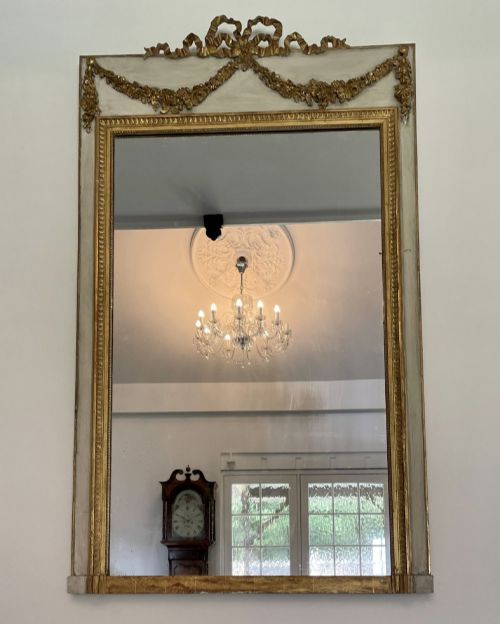
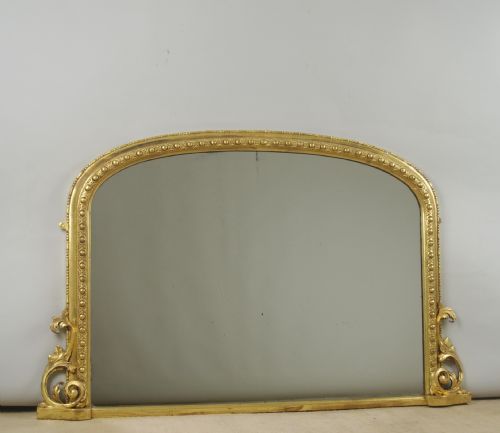
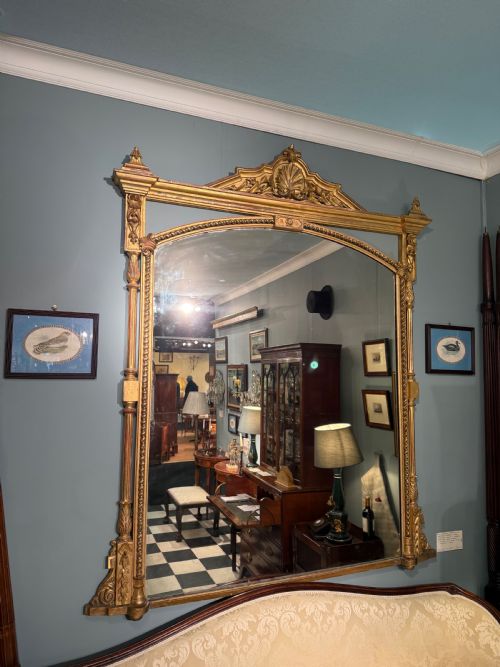
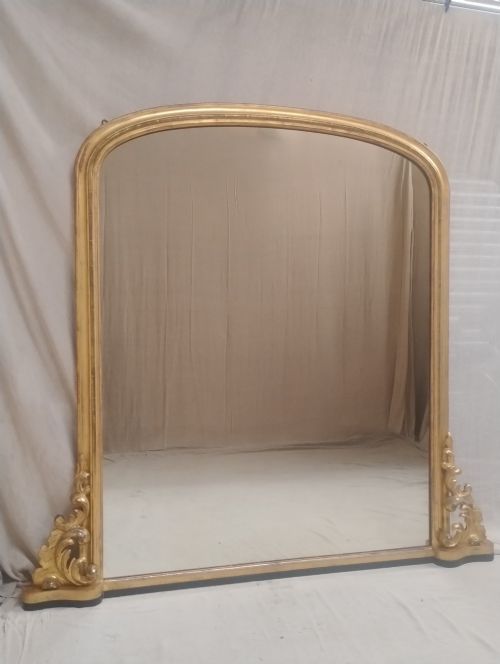
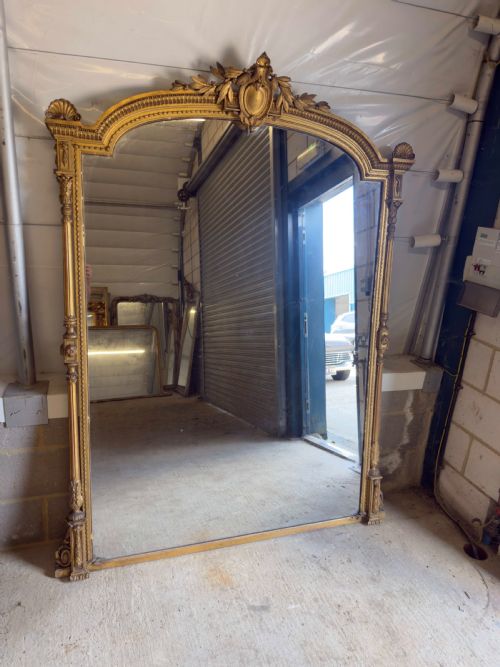
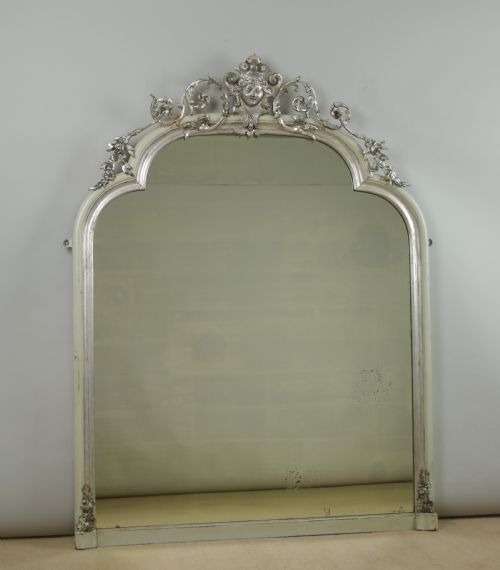
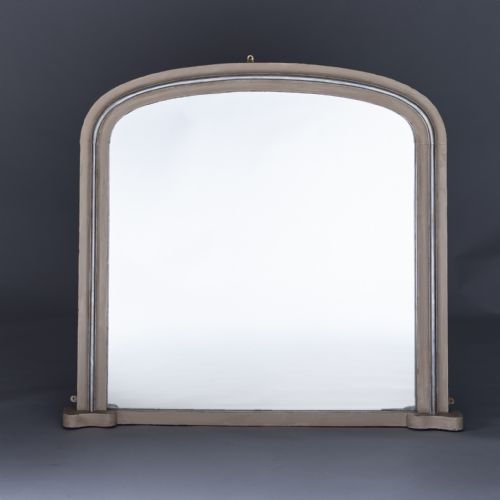
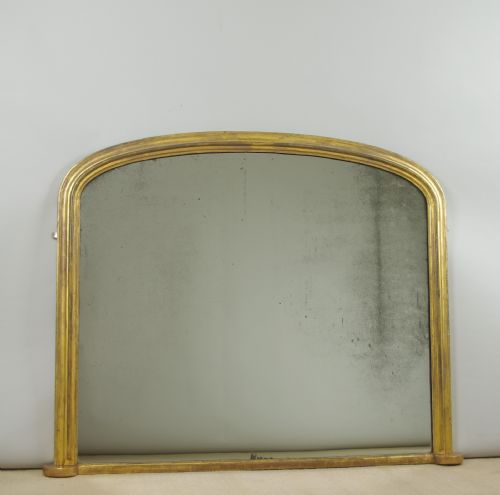
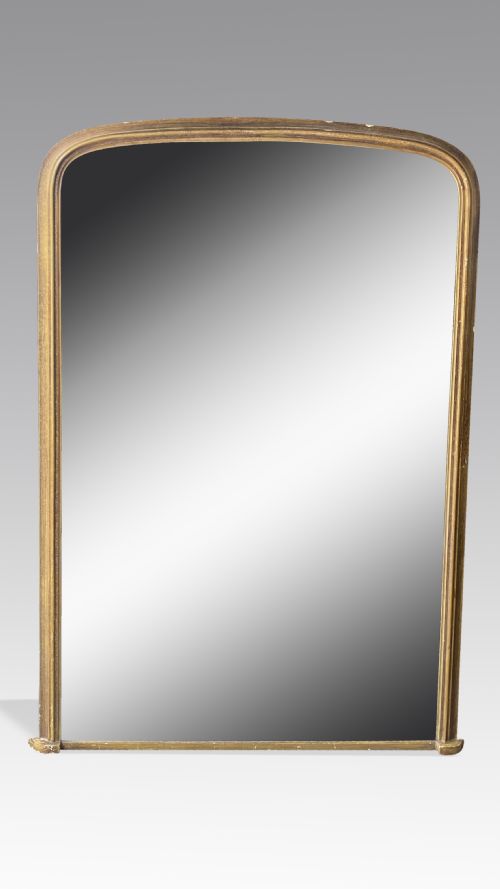
When you search for vintage overmantle mirrors, you encounter large landscape or tall arched-top wall mirrors designed to anchor the space above a fireplace mantel. The selection draws heavily from Victorian and nineteenth-century examples alongside early twentieth-century pieces.
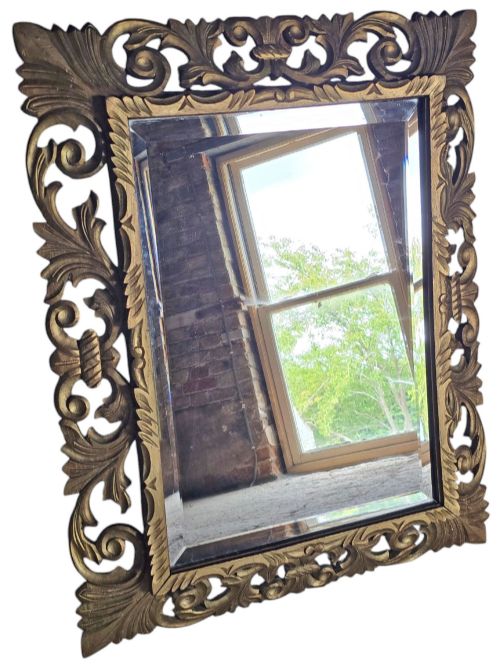
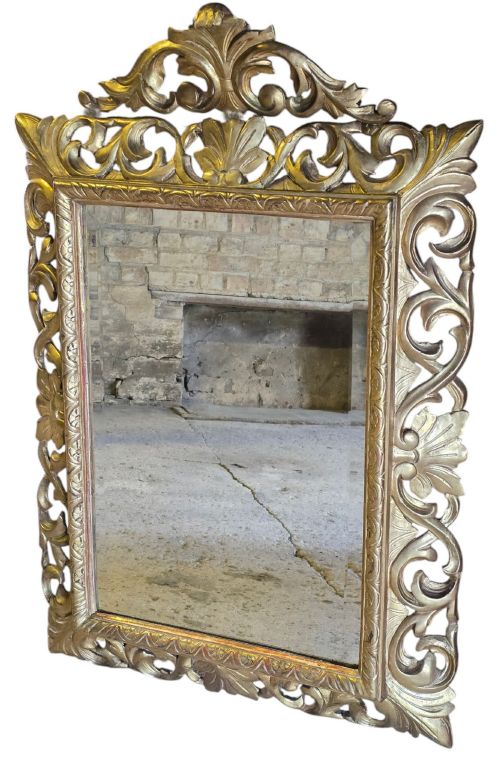
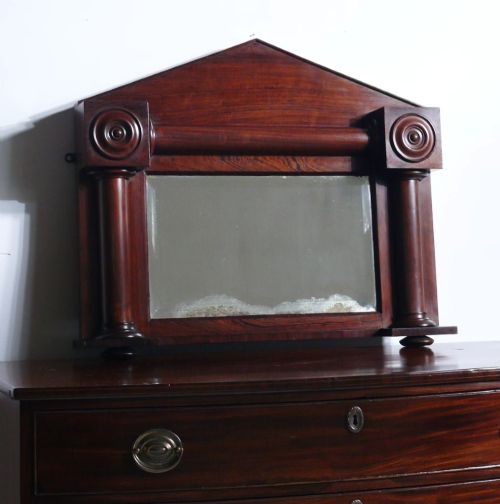
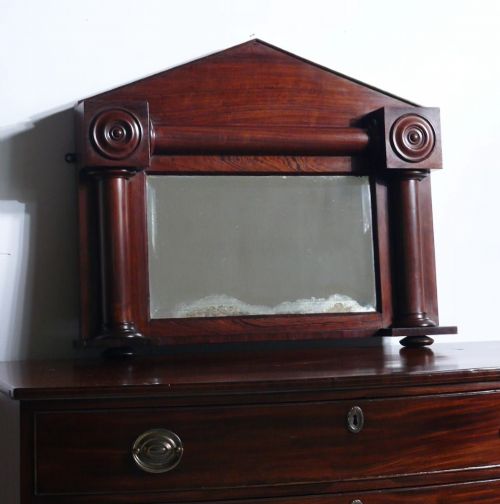
Most entries span from the mid-nineteenth century through the nineteen-twenties, incorporating styles such as Rococo Revival, French Chateau, Florentine, and Louis Philippe. Forms range from simple rosewood or mahogany veneer frames to grand architectural shapes.
Makers and craftsmen of these periods built them large to reflect light around nineteenth-century drawing rooms and parlours. You find distinct regional variants, including English country house pieces and Italian giltwood designs.
Materials and Construction
The primary structures rely on carved wood, often reinforced with moulded composition or gesso to achieve elaborate decorative relief before gilding or painting. Giltwood, gold leaf, and parcel-silvered finishes dominate the traditional aesthetic.
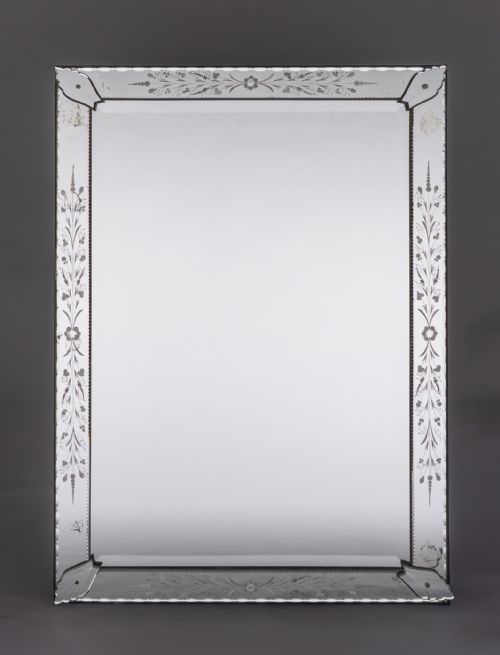
Makers also utilised rosewood, mahogany veneer, and straightforward painted wood surfaces to suit changing interior tastes across the decades. Mirror glass sits within these heavy frames, sometimes featuring etched designs or tinted peach coloured glass.
Techniques combined traditional joinery for the heavy wooden carcasses with applied plaster ornaments and delicate surface gilding. This mixture allowed workshops to produce both restrained architectural mouldings and deeply ornate, scrolling frames.
Vintage Overmantle Retail Price Guide 2026
Typical asking prices for vintage overmantle among the pieces listed under this phrase on Sellingantiques today, from the lower quarter to the upper quarter. They describe what is for sale here now, not the wider market.
Current listings span from eighteen-twenty rosewood frames to nineteen-thirty Art Deco peach coloured glass designs.
Craftsmanship and Execution
Quality reveals itself in the depth and sharpness of the hand-carved wood and the crispness of the applied gesso mouldings. Finer pieces show careful detailing in the foliage, scrolls, and arched tops rather than soft, mass-produced plaster casts.
The choice of primary timber and the execution of the gilding or paint layer set apart the workshops. Thicker gold leaf application and subtle parcel-silvering age differently than flat modern metallic paints.
Structural integrity matters significantly given the immense weight of these large frames and mirror plates. Superior examples retain original backboards, secure joints, and high-clarity mirror glass that has matured gracefully.
The Vintage Overmantle Glossary
- Overmantel mirror
- A large mirror specifically proportioned to hang above a mantelpiece or fireplace. They often feature arched tops or wide horizontal formats designed to command the chimney breast.
- Gesso
- A plaster-like mixture applied to wood frames to create a smooth surface for gilding or painting. Sculptors carved intricate relief details directly into this layered material.
- Giltwood
- Timber that has been decorated with gold leaf or gold paint on a prepared ground. It catches candlelight and daylight alike.
- Parcel-silvered
- A decorative finish where selected portions of a frame receive a silver leaf or silver paint treatment alongside gold or paint. This creates a contrasting two-tone metallic effect.
- Louis Philippe
- A French nineteenth-century style characterised by restrained curves and simple, elegant architectural lines. It lacks the heavy excess of earlier baroque revivals.
Vintage Overmantle: Frequently Asked Questions
Where should an overmantle mirror go?
These mirrors belong directly above a fireplace mantel where their horizontal or arched proportions balance the hearth below.
They also function effectively on large living room walls without a fireplace, provided the wall structure supports their considerable weight.
How do I date an overmantle mirror?
Examine the construction methods of the wooden frame, the type of backboards used, and the style of the gilt or painted decoration.
Victorian and nineteenth-century pieces often display heavier carved wood and gesso ornamentation, while nineteen-twenties examples might incorporate mahogany veneer or peach coloured glass.
Are these mirrors very heavy?
Most vintage overmantle mirrors possess substantial weight due to their large dimensions, heavy timber frames, and thick glass plates.
Securing them requires proper wall fixings and mounting directly into structural studs or masonry rather than depending on standard picture hooks.