
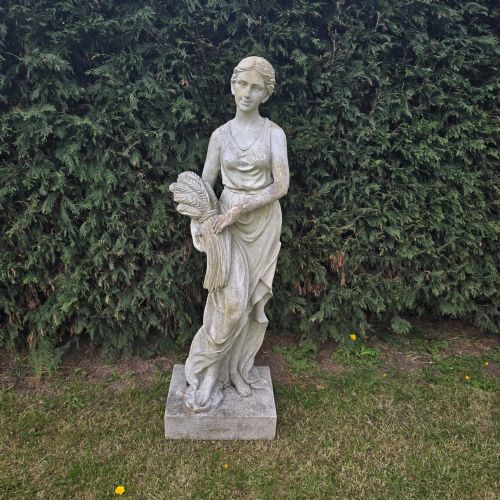
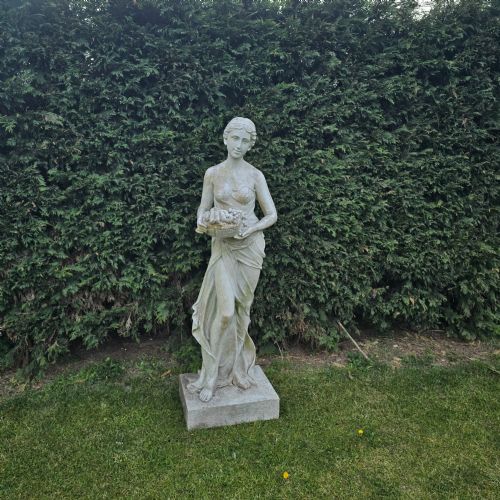
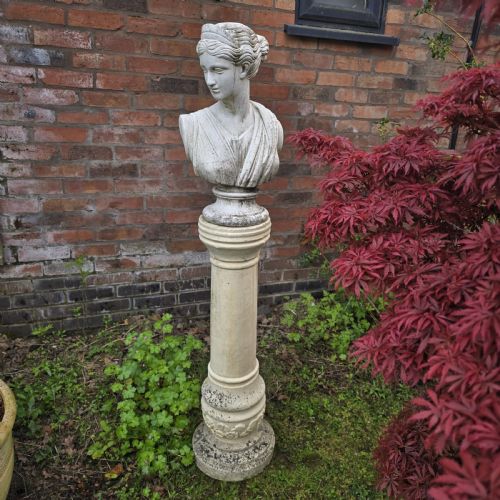


Vintage Outdoor Garden Sculpture
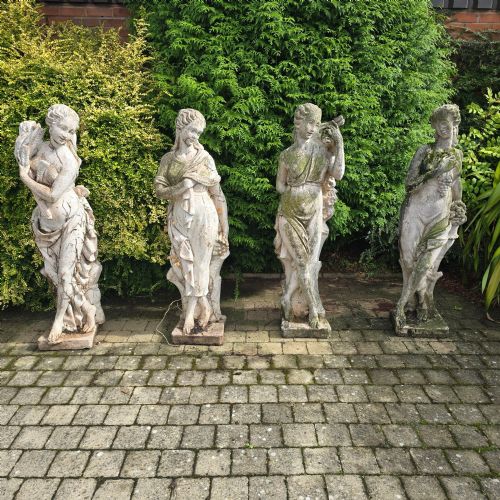
These vintage outdoor garden sculpture pieces bring classical figures, animals, and architectural ornaments into open-air settings.
Vintage Outdoor Garden Sculpture
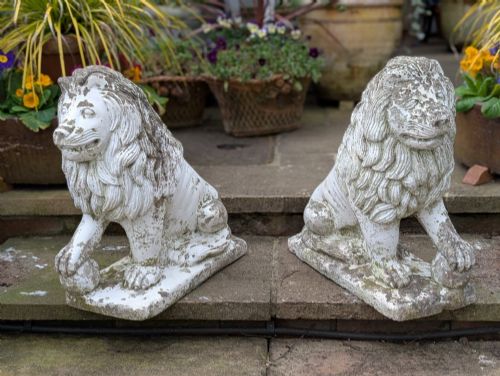
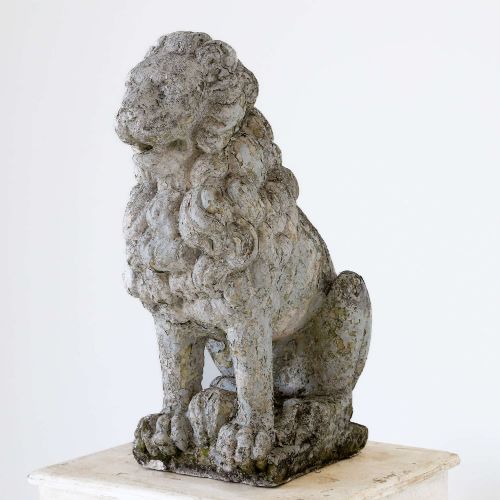
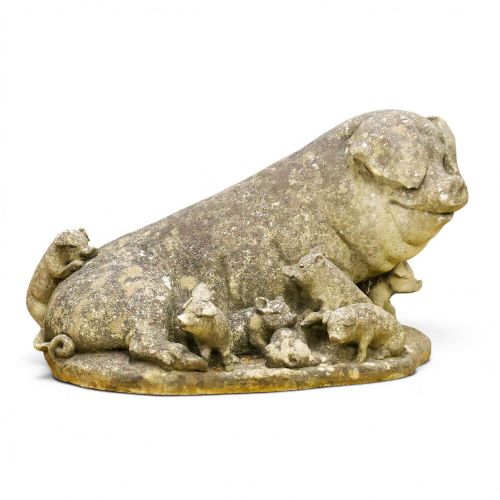
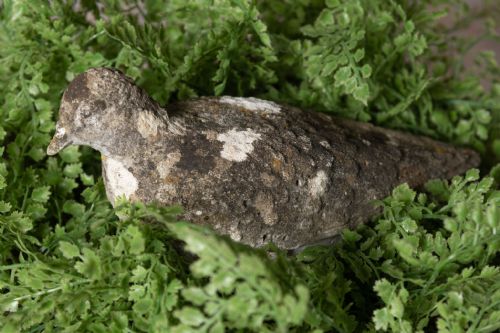
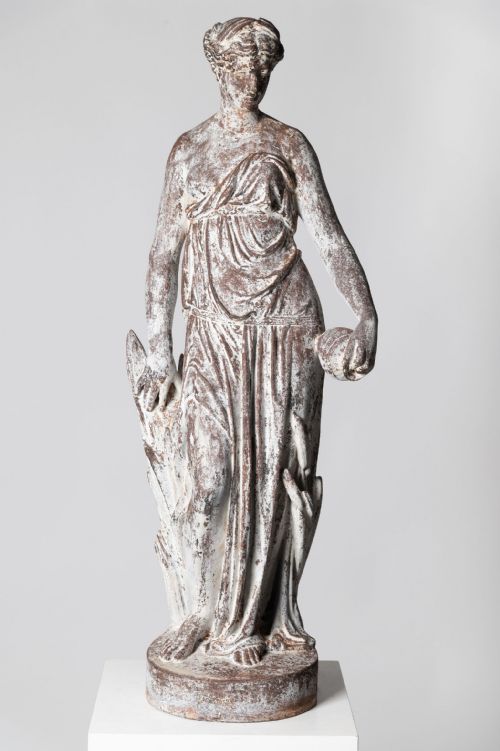
When you search for vintage outdoor garden sculpture, you encounter a diverse array of statuary, figures, and ornaments designed to populate grounds and terraces. The selection ranges from classical representations and mythological figures to animals and architectural finials.
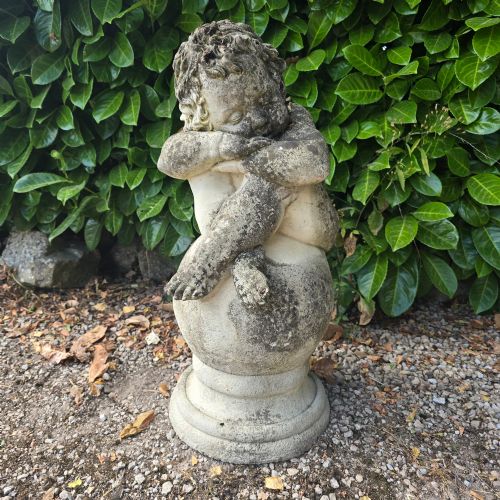
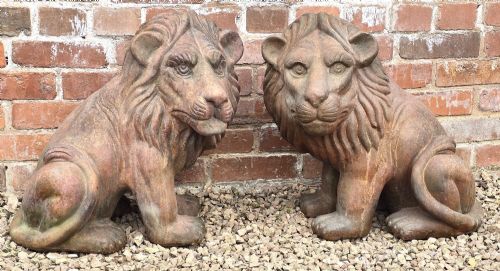
You are most likely to meet twentieth-century pieces in cast and reconstituted stone, alongside nineteenth-century works in iron, bronze, and marble. Forms stretch from life-sized figures and lions to smaller cherubs and staddle stones.
The origins span English country styles, French Medici designs, Italianate forms, and Indian Raj period works. Pieces often stand upon dedicated plinths or function as gate post ornaments.
Materials and construction methods
The construction relies heavily on cast stone, reconstituted stone, and composition stone, moulded into detailed figures and animals. Founders also utilised iron, bronze, lead, and terracotta for robust outdoor display.
Surface treatments include original old paint and weathered finishes that develop naturally through exposure to the elements. Hand sculpting appears in traditional terracotta and stone works from European and Indian workshops.
The listings span from the eighteenth century to the mid-twentieth century, featuring materials from reconstituted stone and cast iron to bronze and terracotta.
Distinctions in quality and finish
Quality reveals itself in the crispness of the modelling and the fidelity of anatomical and classical details. Finer pieces demonstrate superior casting or hand-sculpting capabilities that preserve expression and proportion.
The integrity of the material and the character of the weathering dictate the aesthetic success of a piece. Original paint layers and natural patination distinguish superior surfaces from later or lesser alterations.
Val d Osne foundry
The Vintage Outdoor Garden Sculpture Glossary
- Reconstituted stone
- A composite material made from crushed stone and a binder, moulded into architectural ornaments and statues. It offers the appearance of natural stone while allowing intricate sculptural forms.
- Staddle stone
- A mushroom-shaped stone support formerly used to elevate granaries and barns off the ground to keep out vermin. They now serve as decorative garden ornaments.
- Okimono
- Japanese decorative statues or ornaments designed for display. Garden examples include life-sized bronze geese and animal figures.
- Finial
- An architectural ornament placed at the apex of a pediment, post, or gate pier. Post finials often take the form of lions or eagles.
- Putto
- A figure of a small chubby infant, frequently winged, appearing in classical and neoclassical art. They often represent cherubs in garden statuary.
Vintage Outdoor Garden Sculpture: Frequently Asked Questions
How do I place heavy stone sculptures?
Heavy stone and cast iron pieces require a level, stable base such as a paved patio, reinforced lawn, or dedicated plinth to distribute weight evenly and prevent sinking.
Larger statues and pairs of lions often benefit from professional placement to ensure safety and stability in exposed garden locations.
Can bronze and iron garden sculptures stay outside?
Metals like bronze and cast iron withstand outdoor conditions well, naturally developing protective patinas over decades of exposure to weather.
While robust, checking for drainage and applying appropriate conservation maintenance helps preserve original paint layers and structural integrity.
What is reconstituted stone?
Reconstituted stone is a manufactured material combining aggregate and cement binders to replicate the look and feel of natural quarried stone.
It gained popularity in twentieth-century garden ornament production for its durability and adaptability in detailed moulding.
How do I identify the period of a garden statue?
Dating relies on material composition, casting techniques, foundry marks, and stylistic characteristics typical of nineteenth or twentieth-century manufacturing.
Weathering patterns and original paint remnants also provide clues to age, though many classic designs were reproduced over long periods.