



Vintage Ottoman Painting
These vintage ottoman painting pieces bring painted woodwork and upholstery together, offering low seating and storage rooted in diverse regional styles.
Vintage Ottoman Painting
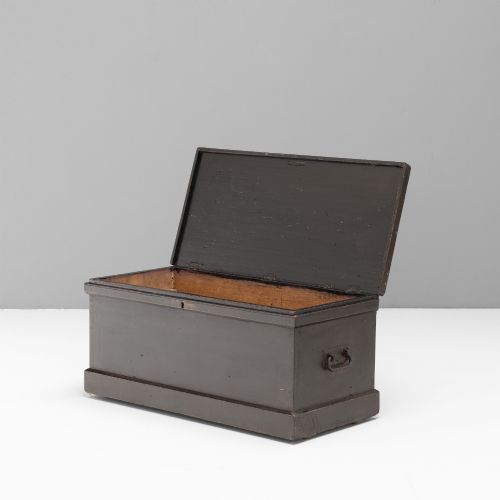
When buyers search for vintage ottoman painting, they encounter a diverse selection of painted wooden seating, storage trunks, and blanket boxes. These objects span periods from the nineteenth century into the twentieth century, incorporating forms such as low stools, long stools, and storage chests.
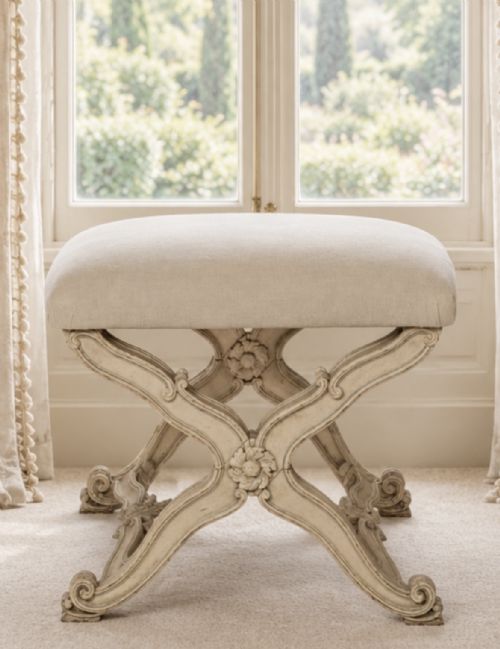
The most common versions met here include French painted stools and rustic pine storage trunks. Pieces display regional characteristics from French provincial and rococo revival designs to Middle Eastern and Swedish origins.
Makers and workshops across Europe produced these painted items utilising sturdy timbers like beech, pine, and general wood. Their surfaces carry decorative paint layers, often paired with textile upholstery or needlework.
How they were made
Carpenters constructed the structural frames and boxes using solid woods such as beech, pine, and general timber. Joinery methods supported heavy utility use for seating and blanket storage.
Artisans applied surface decoration through hand painting directly onto the wood. Upholstered variants integrated fabric and linen coverings, sometimes featuring intricate needlework details.
Vintage Ottoman Painting Retail Price Guide 2026
Typical asking prices for vintage ottoman painting among the pieces listed under this phrase on Sellingantiques today, from the lower quarter to the upper quarter. They describe what is for sale here now, not the wider market.
Some nineteenth-century makers utilised folding X-frames so ancient Roman emperors could theoretically pack light for campaign.
What varies in quality
The sophistication of the painted surface decoration distinguishes standard utility items from finer decorative works. Hand-carving details and specialised upholstery execution elevate the overall standard of the piece.
Structural integrity relies upon the selection of timber, with denser woods like beech providing enduring support compared to softer pine alternatives. Original painted finishes carry higher regard than later repainted surfaces.
Miles & Edwards
The Vintage Ottoman Painting Glossary
- Curule stool
- An ancient X-frame seat design revived in later periods. This form utilises intersecting curved legs for structural support.
- Needlework
- Stitched textile ornamentation created using yarn on a canvas ground. This technique appears on the upholstered seats of decorative stools.
- Blanket box
- A deep wooden chest utilised for storing household textiles and linens. These large trunks often feature painted exterior finishes.
- Regency
- An English design style spanning the early nineteenth century. Pieces from this period frequently draw upon classical Greco-Roman motifs.
Vintage Ottoman Painting: Frequently Asked Questions
What is a vintage ottoman painting?
This search term encompasses painted wooden seating and storage trunks from various nineteenth and twentieth-century periods. The category primarily includes decorative stools, footstools, and painted blanket boxes.
These items originate from diverse stylistic traditions, ranging from French provincial designs to Middle Eastern low stools and Swedish painted woodwork.
How were these stools used?
Stools and low seats provided movable domestic seating in parlours, bedrooms, and drawing rooms throughout the nineteenth and twentieth centuries. Long stools accommodated multiple sitters.
Storage trunks and blanket boxes served a functional purpose at the foot of beds or in hallways for holding linens, blankets, and garments.
How do I date a painted stool?
Dating relies on examining the underlying wood construction, timber species used such as pine or beech, and the characteristics of the painted finish. Stylistic cues like French rococo revival or Regency outlines provide further chronological context.
Construction fasteners and upholstery foundations also help determine whether a piece originates from the Victorian era or later twentieth-century decades.
Where should I place a long stool?
Long stools function effectively at the base of a bed or positioned alongside a living room wall. Their extended proportions suit narrow circulation spaces.
Upholstered variants offer comfortable temporary seating while adding decorative painted colour to an interior scheme.