



Vintage Open Salt Dips
These vintage open salt dips are small table vessels designed for individual portions, offering a practical touch of historical dining elegance.
Vintage Open Salt Dips
When you search for vintage open salt dips, you encounter small vessels designed to hold salt at the dining table before the widespread adoption of mechanical shakers. The selections here include solid silver dishes, ceramic pieces, and glassware spanning the Victorian, Edwardian, and mid-twentieth century periods.
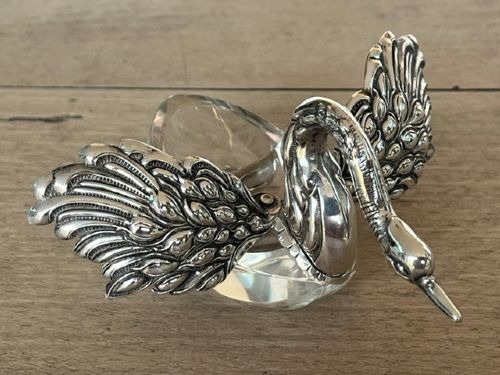
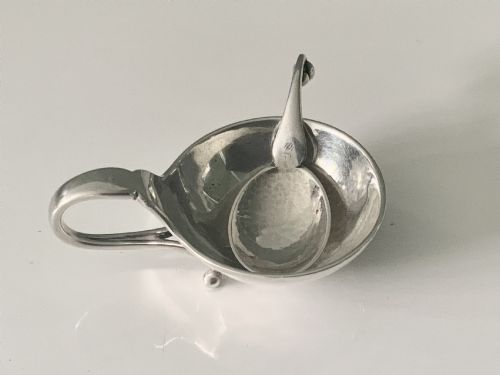
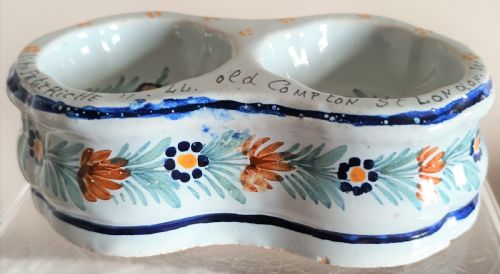
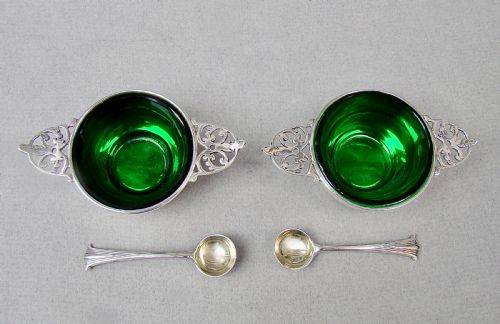
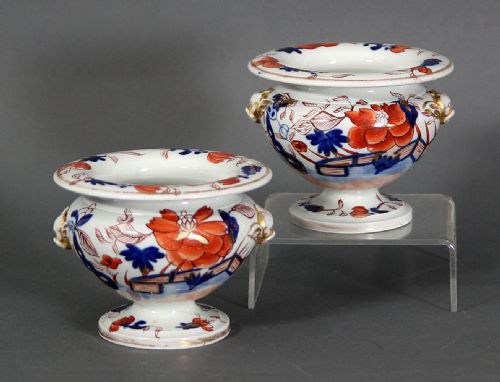
You are most likely to meet pairs or sets of silver salt cellars, often accompanied by matching spoons or coloured glass liners. Forms range from traditional circular dishes and novelty quaich shapes to divided swan designs and earthenware double salts.
How they were made
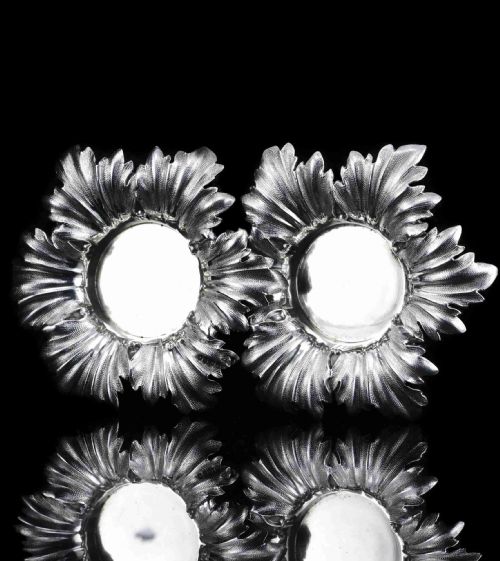
Silversmiths shaped sterling silver and silver plate through techniques such as chasing, hammering, and casting to create sturdy bodies and decorative rims. Many pieces incorporate intricate foliate chasing or hallmarks denoting their assay office and year of manufacture.
Glassmakers utilised moulded crystal, cranberry glass, and cobalt glass to form colourful inserts that sat within metal frameworks. Ceramic examples, including French faience and ironstone china, relied on traditional pottery shaping and tin glazing.
Vintage Open Salt Dips Retail Price Guide 2026
Typical asking prices for vintage open salt dips among the pieces listed under this phrase on Sellingantiques today, from the lower quarter to the upper quarter. They describe what is for sale here now, not the wider market.
Some Victorian silversmiths fashioned salt cellars into the form of a swan with movable wings.
What varies in quality
The distinction between standard table salt dips and superior examples lies in the weight of the metal, the crispness of the chased decoration, and the integrity of any fitted glass liners. Heavy gauge sterling silver and well-defined hand-chased foliate motifs indicate higher workshop standards.
Completeness also dictates value, particularly when sets retain their original matching spoons, fitted presentation cases, or undamaged glass inserts free of chips.
Georg Jensen·Barnards·Josiah Williams & Co
The Vintage Open Salt Dips Glossary
- Open salt
- A small table vessel designed to hold loose salt, used with a miniature spoon or pinched with fingers before the invention of the shaker.
- Salt cellar
- An alternative term for a salt dip, often taking the form of a small bowl or dish.
- Faience
- Tin-glazed earthenware originating in France, known for hand-painted surface decoration.
- Quaich
- A traditional Scottish two-handled drinking vessel, occasionally rendered in miniature form as a novelty salt cellar.
- Chasing
- A metalworking technique where the artisan depresses the surface with a hammer and punch to raise decorative patterns from the front.
Vintage Open Salt Dips: Frequently Asked Questions
How were open salt dips used?
Diners used these small dishes to hold a personal portion of salt at the table. A tiny spoon or the tips of clean fingers served to transfer the salt onto the side of one's plate.
Before the twentieth-century rise of table salt shakers, open salts sat beside each place setting or were shared between two diners.
Can I use them for dining today?
These small vessels adapt readily to modern dining tables for serving salt, pepper, or specialty condiments. They also function well on dressing tables to hold small items like rings.
Care should be taken with ceramic and glass liners, particularly when washing them by hand rather than placing them in a dishwasher.
How can I tell the period?
Silver pieces often carry hallmarks that include date letters, maker's marks, and assay office symbols which pinpoint the exact year of production. Stylistic clues such as Art Nouveau curves or heavy Victorian chasing also indicate the era.
Ceramic and glass items rely on base stamps, glaze types, and manufacturing techniques to establish their age.