






Vintage Oil Lantern
These vintage oil lantern pieces bring heavy brass, iron and glass into domestic spaces, offering the steady flicker of earlier illumination.
Vintage Oil Lantern
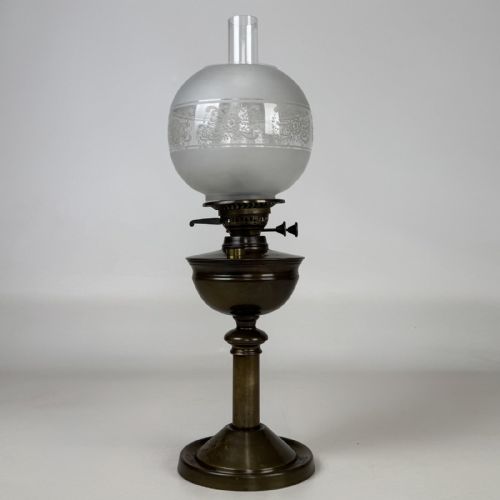
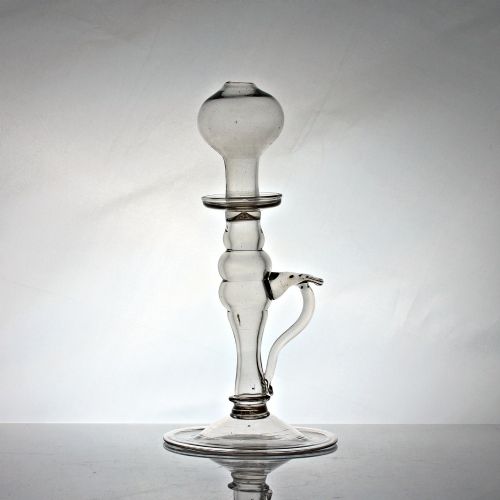
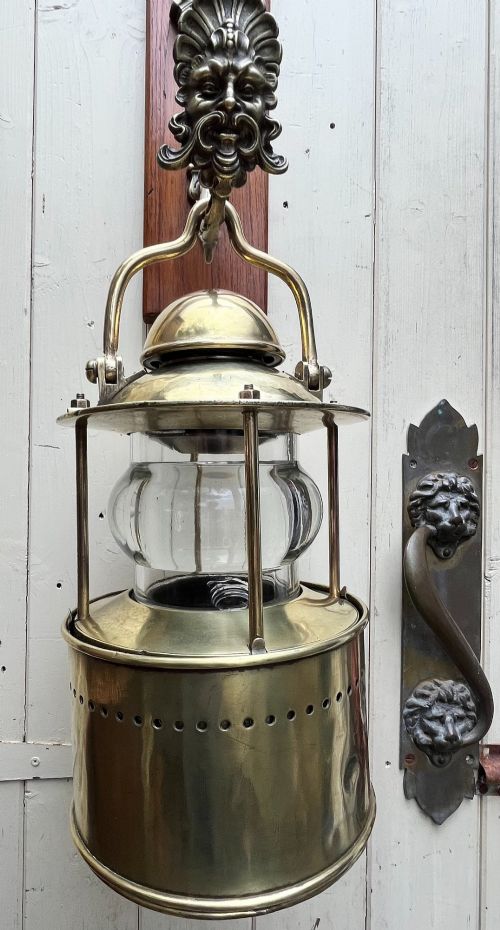
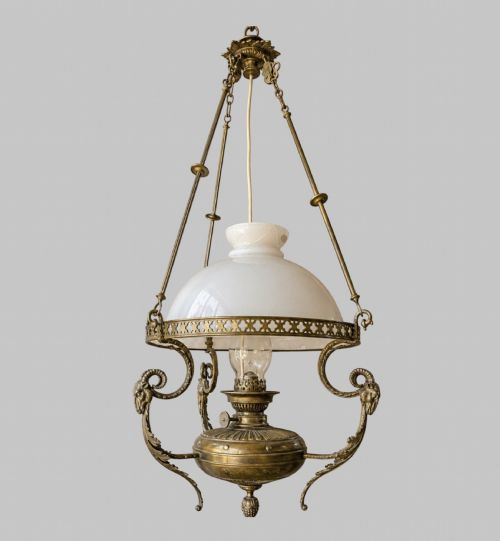
A vintage oil lantern encompasses a range of lighting forms from the eighteenth century to the mid-twentieth century, including railway guards' hand lanterns, wall brackets and domestic oil lamps. Buyers encountering this selection will find domestic brass font lamps alongside heavy iron and copper railway memorabilia.
The objects span Georgian, Victorian, Edwardian and later periods, reflecting functional industrial and maritime needs as well as interior parlour lighting. Pieces range from small pocket watches and carriage lamps paired with railway lanterns to large photographic and hanging paraffin lamps.
How they were made
Makers utilised durable metals such as brass, copper, cast iron and standard iron to construct sturdy housings that withstood transit and everyday handling. Glass formed transparent fonts and coloured lenses, sometimes paired with milk glass components.
Workshops applied applied handles, metal brackets and specialised mechanisms like Hinks burners to regulate the flame safely inside enclosed or glass-shielded frames.
Vintage Oil Lantern Retail Price Guide 2026
Typical asking prices for vintage oil lantern among the pieces listed under this phrase on Sellingantiques today, from the lower quarter to the upper quarter. They describe what is for sale here now, not the wider market.
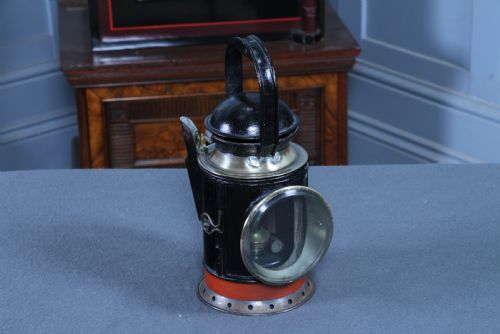
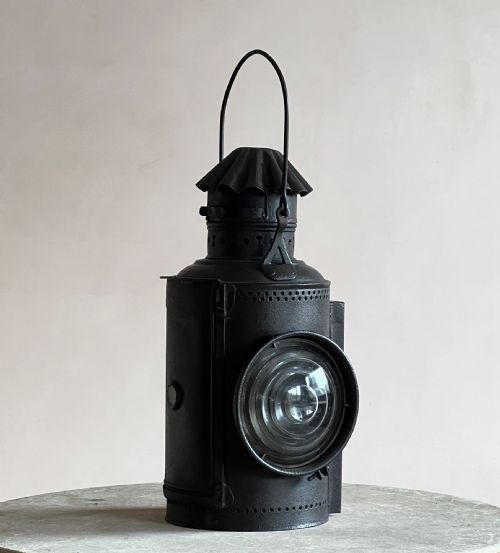
Railway inspectors carried hand lanterns with tri-colour lenses, ensuring one small box could signal stop, caution, or clear down the line.
What varies in quality
The hierarchy of these items rests upon the weight of the metalwork, the presence of makers' marks or specific railway company stampings, and the intactness of original glass components. Heavy brass and thick copper constructions represent more substantial manufacturing than lighter utilitarian counterparts.
Refinement in the casting of brackets, the inclusion of specialised optical elements such as tri-colour lenses, and integrated mechanisms like Hinks burners distinguish superior examples from standard utility pieces.
Eli Griffiths and Sons·Hinks
The Vintage Oil Lantern Glossary
- Font
- The reservoir that holds the oil beneath the burner. It is frequently made of coloured glass, brass or ceramic.
- Hinks Burner
- A proprietary double-wick burner mechanism popular in the Victorian period. It improved airflow and illumination intensity.
- Tri-Colour Lens
- A specialised signal glass combining three distinct hues within a single lantern optic. It permitted railway staff to communicate different operational commands.
- Bracket
- A metal arm attached to a wall or surface to support a lamp. It allowed stable illumination in narrow or high-traffic spaces.
Vintage Oil Lantern: Frequently Asked Questions
What is a vintage oil lantern?
A vintage oil lantern is a historical lighting device fueled by paraffin or oil, encompassing domestic table lamps, railway hand lamps and wall-mounted brackets from the eighteenth to the mid-twentieth century.
These objects were originally designed for both utilitarian transport work and domestic interior illumination, using metal frames and glass chimneys.
How do I identify a railway lantern?
Railway examples typically feature stamped company initials such as GWR or LNER, heavy iron or copper housings, and robust carrying bails or handles.
Many incorporate specialised lenses or mounting brackets intended for carriages, stations or locomotive operations rather than home use.
Where were these lanterns used?
They served in domestic parlours, railway signal boxes, passenger carriages and specialised workspaces like photographic darkrooms.
Domestic models stood on tables or hung from wall brackets, while railway versions travelled on trains and platforms to signal staff.
Can I still burn oil in them?
While many retain their original burners and fonts, modern buyers often treat them as decorative objects or ambient display pieces rather than functional primary lighting.
Using them requires checking the integrity of the metal font and wick mechanism to ensure safe operation.