





Vintage Office Secretary
A vintage office secretary offers a practical writing workspace paired with concealed compartments, combining historical function with timeless domestic utility.
Vintage Office Secretary
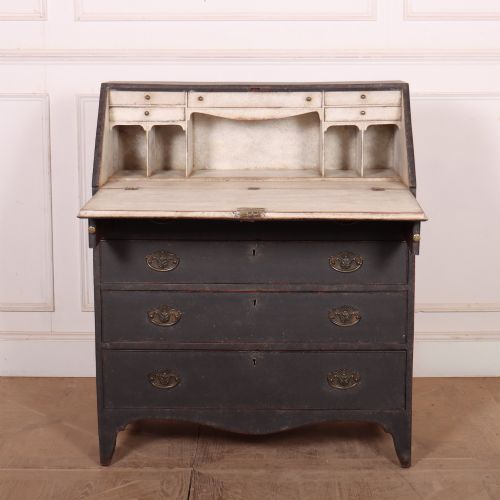
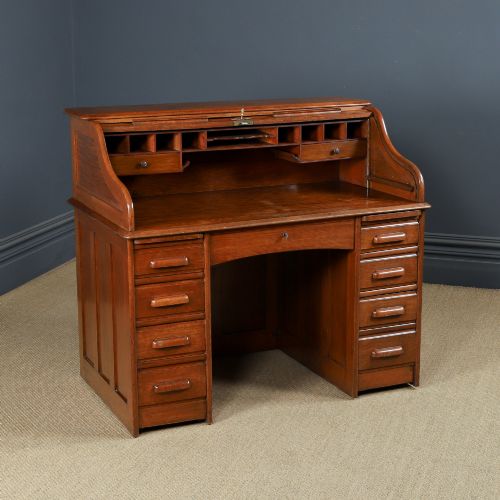
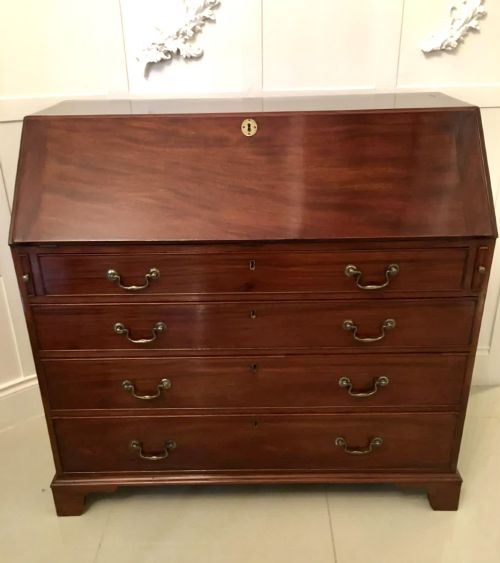
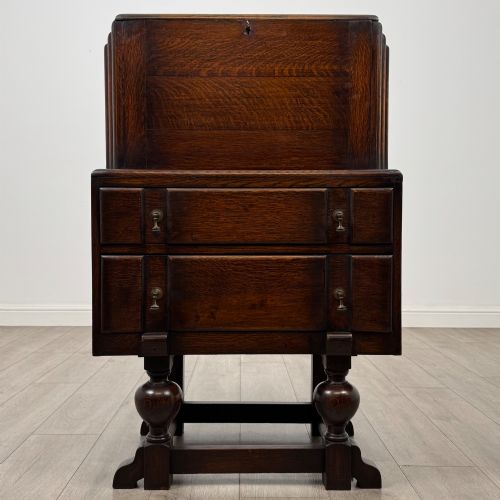
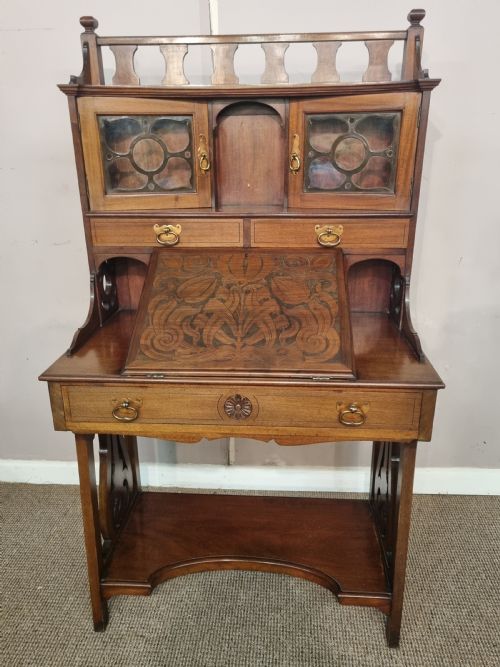
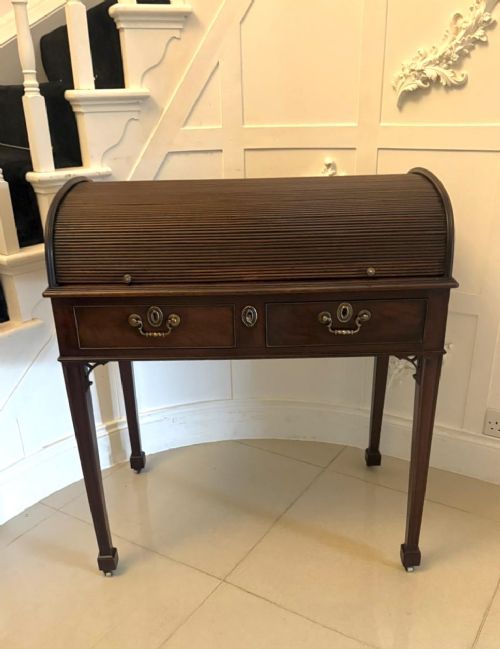
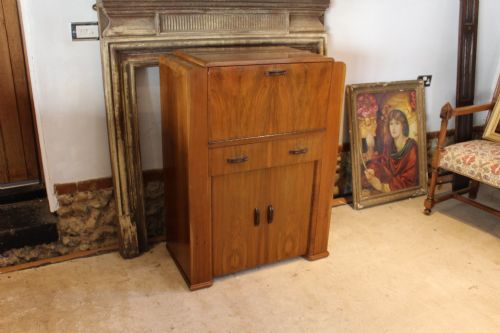
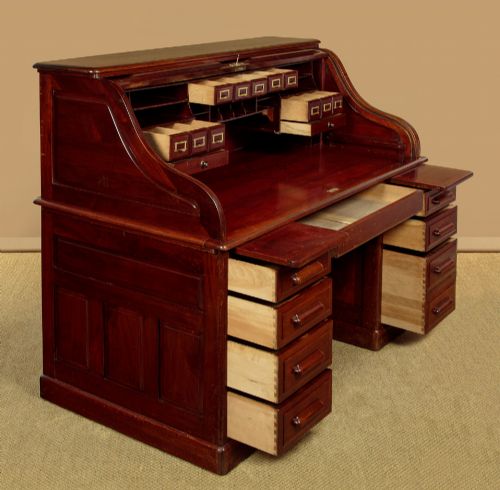
A vintage office secretary encompasses functional writing furniture designed for storage and correspondence, commonly encountered as bureaux, roll top desks, and bureau bookcases spanning the Georgian, Victorian, and Edwardian eras up to the Art Deco period.
Buyers searching for a vintage office secretary will frequently find oak and mahogany pieces ranging from compact writing bureaux to large pedestal desks and glazed bookcase combinations.
Origins stretch from eighteenth-century George III examples through nineteenth-century Victorian designs to early twentieth-century oak and walnut iterations.
Materials and construction methods
Makers utilised solid timbers and veneers such as mahogany, oak, walnut, elm, and pine, often complemented by brass hardware and leather writing surfaces.
Construction techniques include fitted internal compartments, tambour and cylinder mechanisms, drop-front writing slopes, and glazed cabinetry doors.
Vintage Office Secretary Retail Price Guide 2026
Typical asking prices for vintage office secretary among the pieces listed under this phrase on Sellingantiques today, from the lower quarter to the upper quarter. They describe what is for sale here now, not the wider market.
Listings feature woods including oak, mahogany, walnut, elm, pine, and brass hardware.
Distinctions in craftsmanship
Quality rests in the selection of timber figures, such as burr walnut and figured mahogany, alongside the complexity of internal fitted compartments and hidden drawers.
The precision of mechanical actions, including tambour slides, roll top cylinders, and drop-front hinges, separates standard utility items from finer cabinetwork.
E Gomme·F.H. Marshall & Co Glasgow
The Vintage Office Secretary Glossary
- Bureau
- A writing desk featuring a sloping lid that opens to reveal a fitted interior of pigeonholes and small drawers. This form forms a primary category within office secretaries.
- Tambour
- A surface constructed from narrow strips of wood glued to a canvas backing, allowing it to slide smoothly around a curve in cylinder desks and secretary cabinets.
- Secretaire
- A cabinet or desk equipped with a pull-out writing drawer or drop-front flap concealing a fitted writing space. It serves a similar function to the bureau.
- Pedestal desk
- A freestanding desk comprising two supporting pedestals of drawers beneath a main writing surface. They frequently appear in larger nineteenth and twentieth-century formats.
- Fitted interior
- The arrangement of small drawers, pigeonholes, and central compartments revealed when the writing flap or cylinder is opened.
Vintage Office Secretary: Frequently Asked Questions
What is a vintage office secretary?
A vintage office secretary is a multi-functional writing desk or cabinet that typically includes a drop-front flap, a roll top, or a tambour cylinder concealing a fitted interior.
These pieces were designed for correspondence and paperwork, combining surface workspace with integrated storage drawers and compartments.
How do I identify a Georgian bureau?
Georgian bureaux, including George III examples, generally feature solid mahogany construction with bracket feet and hand-cut dovetails on the internal drawers.
The fitted interiors often showcase classical architectural details like central locking cupboards and secret compartments.
What is the difference between a roll top desk and a bureau?
A bureau relies on a hinged sloping writing flap that folds down towards the user, whereas a roll top desk utilises a slatted tambour shutter that slides vertically or horizontally to cover the workspace.
Roll top desks are more commonly associated with late Victorian and early twentieth-century commercial offices.
How should I care for a wooden secretary desk?
Maintain wooden secretary desks by keeping them away from direct heat sources and sudden humidity changes to protect the timber and veneers.
Apply traditional wax polish sparingly to nourish the wood surface and preserve the finish of leather writing inserts.