
Vintage Occasional Furniture
Vintage occasional furniture brings practical tables and chairs into rooms where people gather, offering useful surfaces and seating shaped by Edwardian and Art Deco hands.
Vintage Occasional Furniture
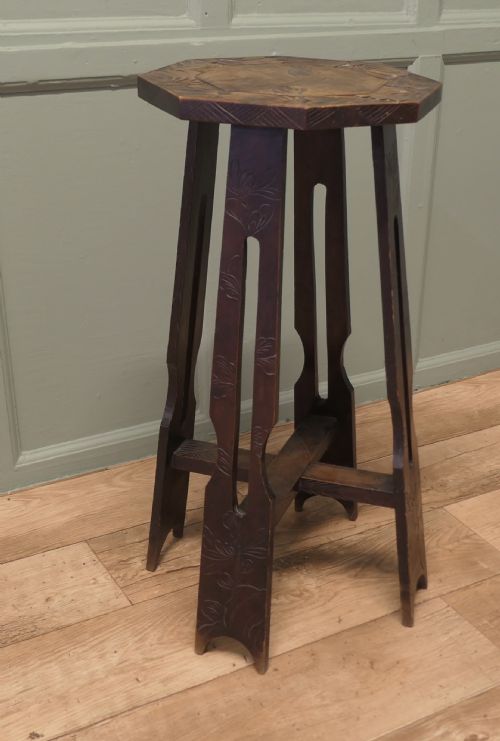
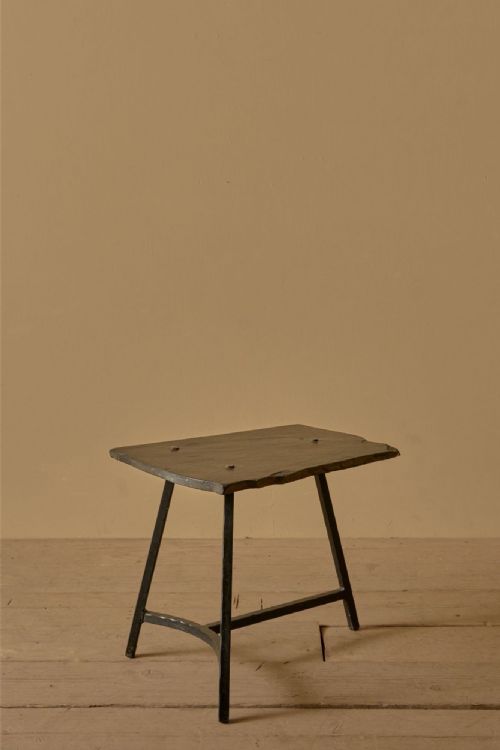
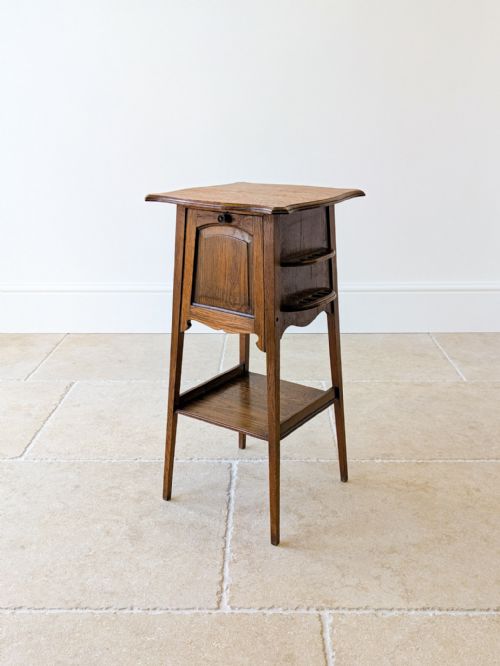
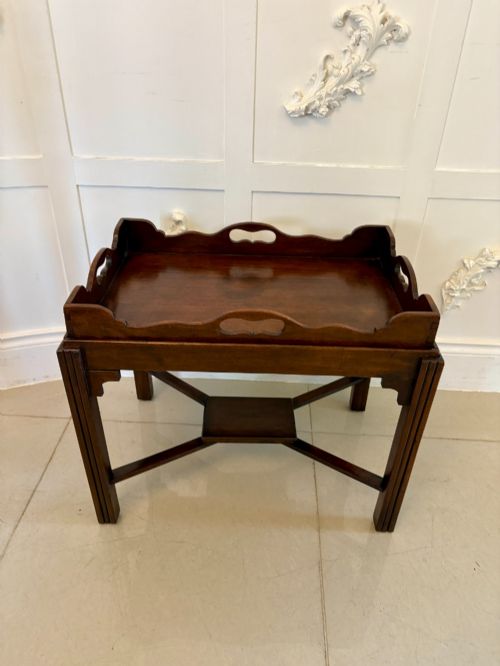
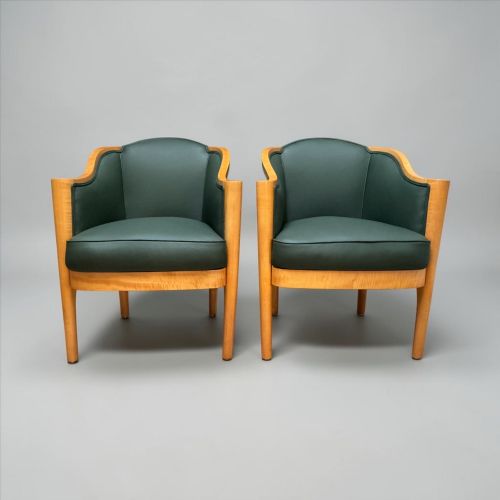
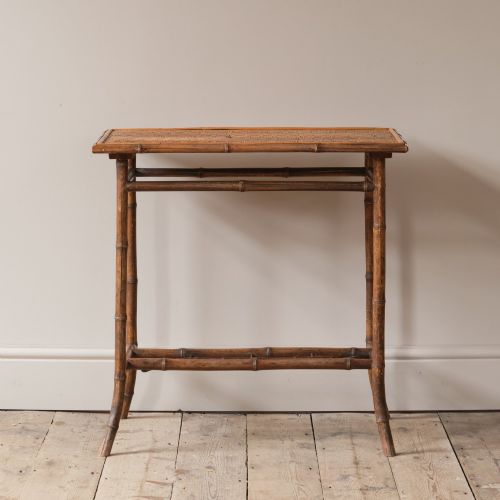
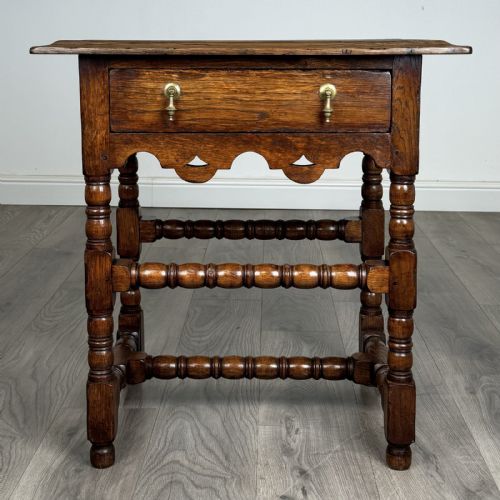
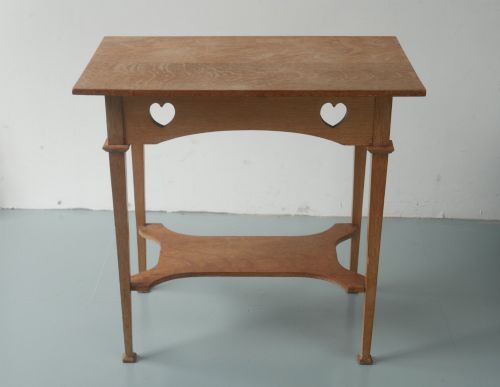
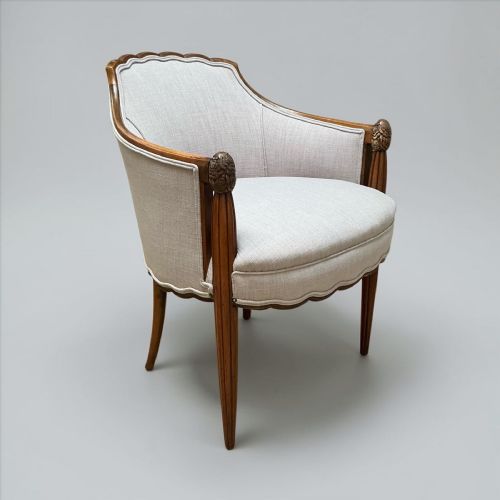
Vintage occasional furniture covers smaller movable pieces designed for specific moments in the home, spanning side tables, nests of tables, occasional tables, armchairs, games tables, canterburys, and etageres. These items appear across periods from the nineteenth century through the Edwardian era and into the nineteen-forties, reflecting shifting domestic habits.
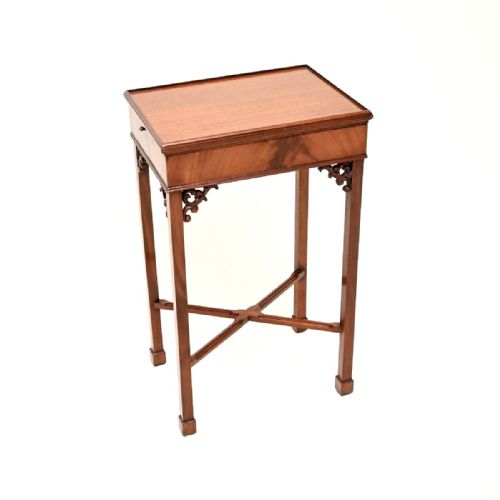
The most common forms on this page are side tables and occasional tables, often rendered in oak or mahogany. Makers from the Edwardian period and the nineteen-thirties predominate, shaping walnut, beech, and satinwood into functional domestic pieces.
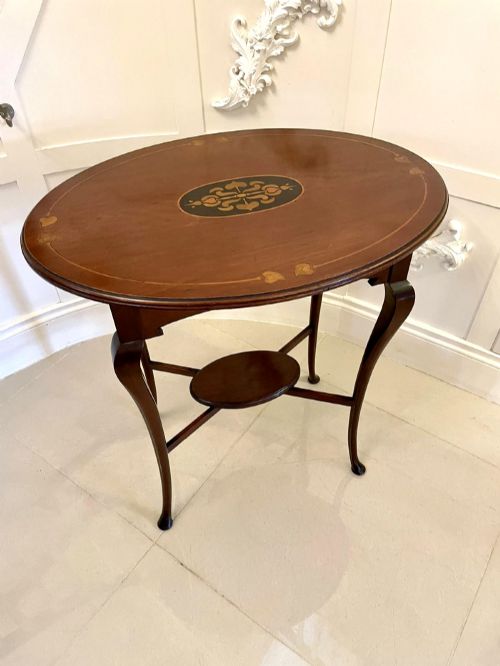
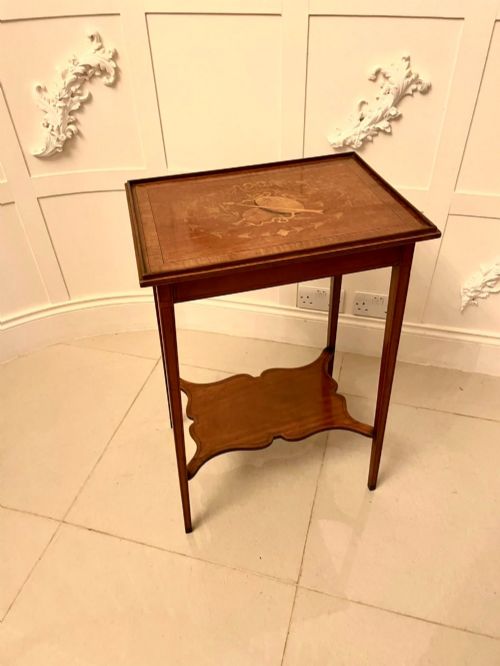
Buyers encounter styles ranging from straightforward Arts and Crafts oak to sleek Art Deco walnut and intricate Anglo-Indian inlay work. Each form serves a particular task, whether holding a lamp, stacking for tea, or supporting a game of cards.
Materials and construction methods
Timbers dictate the character of these pieces, with solid oak, mahogany, and walnut forming the structural core alongside exotic woods like satinwood, rosewood, kingwood, and beech. Cabinet makers utilised veneers for decorative surfaces, particularly during the Art Deco period, pairing figured walnut with simpler internal carcases.
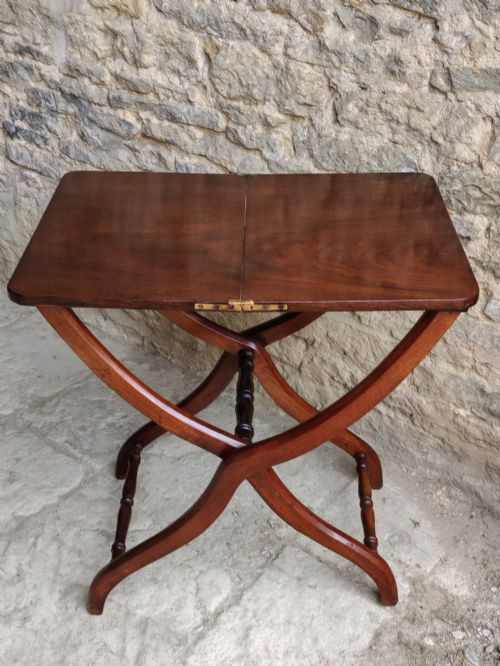
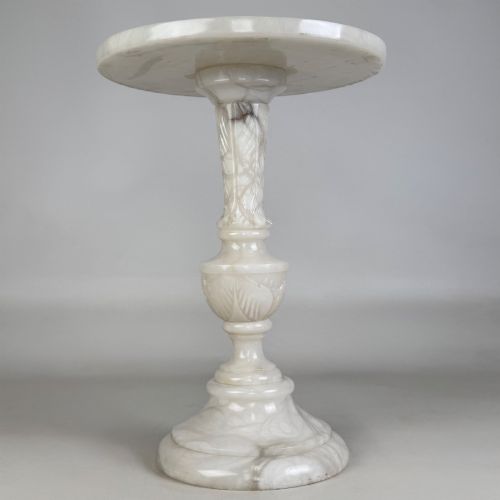
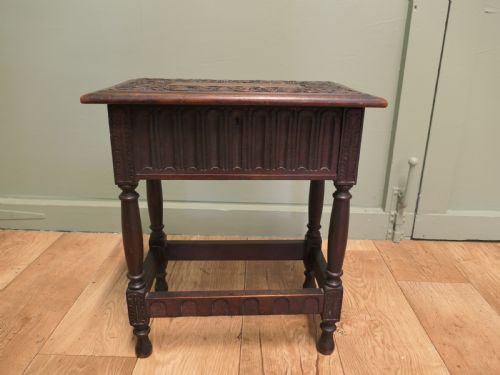
Joinery techniques vary by style, encompassing bobbin turned legs, barley twist supports, chip carving, and marquetry inlay. Campaign styles and folding tables rely on metal hinges and collapsible frames designed for portability, while French pieces incorporate marble tops and steel elements.
Surface decoration includes hand-painted floral motifs, lacquered chinoiserie, and detailed bone or wood inlay seen in Hoshiarpur and Kashmiri examples. Brass mounts, handles, and galleries add functional metalwork to wood and marble compositions.
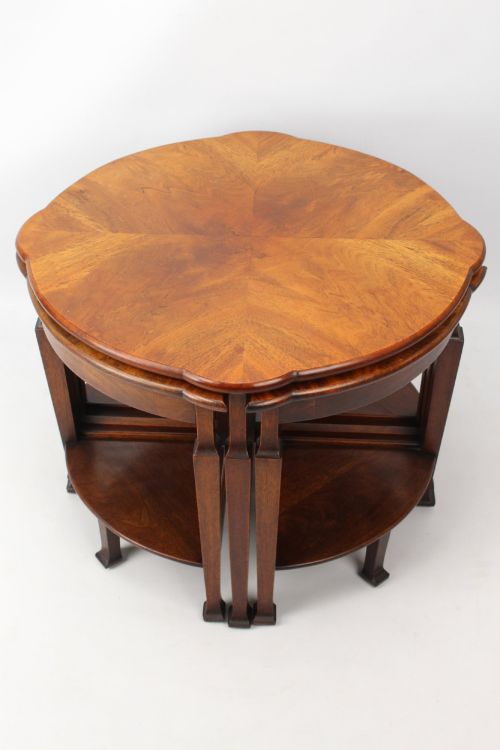
Need a surface that vanishes when the tea party ends? Slide the smaller tables back into the nest.
Factors that separate quality pieces
The choice of timber and veneer figures sets the baseline for quality, with carefully selected grain patterns and dense hardwoods outperforming plain secondary woods. Cabinet work shows in the tightness of joints, the crispness of turned legs, and the precision of inlaid details.
Design integrity separates standard production from finer workshop output, evident in balanced proportions and harmonious styling. Pieces associated with specific design movements, such as Arts and Crafts or Art Deco, demonstrate deliberate aesthetic choices rather than generic factory execution.
Maurice Adams
The Vintage Occasional Furniture Glossary
- Canterbury
- A low wooden stand fitted with partitions for sheet music or magazines, often incorporating a small drawer below. Originating in the late eighteenth century, these remain useful beside armchairs.
- Étagère
- A set of open shelves for displaying small objects, supported by slender uprights. French examples from the Edwardian period frequently feature marquetry and brass galleries.
- Marquetry
- The art of applying small pieces of veneer to a structure to form decorative patterns. Craftsmen use contrasting woods to build pictorial or geometric designs.
- Gipsy table
- A lightweight occasional table with three folding legs, popular during the late Victorian and Edwardian eras. They often featured draped fabric covers.
- Campaign style
- Furniture engineered for portability, featuring folding frames, recessed brass handles, and robust joints. These items dismantle or fold flat for transport.
Vintage Occasional Furniture: Frequently Asked Questions
What counts as vintage occasional furniture?
This category includes smaller movable items like side tables, nesting tables, small armchairs, and magazine racks. They fill specific spots in a room without dominating the floor space.
The materials span oak, mahogany, walnut, and bamboo, reflecting styles from Victorian and Edwardian decades through to nineteen-forty modernist designs.
How do I use a nest of tables?
Nesting tables stack together under the largest surface to save floor space until guests arrive. You pull them apart to serve tea or hold drinks.
Art Deco walnut sets and Edwardian mahogany versions work particularly well beside sofas for this exact purpose.
Where were occasional tables placed?
These tables sat beside armchairs, near windows, or against hallway walls to hold lamps, books, or plants. Their portability meant owners moved them around the house as daily needs changed.
Examples range from simple oak lamp tables to marble-topped French designs meant for displaying decorative items.
How do I distinguish Edwardian pieces from Art Deco?
Edwardian furniture relies on traditional timbers like mahogany and satinwood, often featuring inlay, painted floral decoration, or turned legs. The overall mood leans toward revival styles and refined domestic comfort.
Art Deco pieces from the nineteen-thirties use figured walnut veneers, geometric forms, and streamlined silhouettes that reject Victorian ornamentation in favour of modern simplicity.