




Vintage Oak Steps
Vintage oak steps are utilitarian library ascents that bring solid timber grain and height to domestic rooms.
Vintage Oak Steps
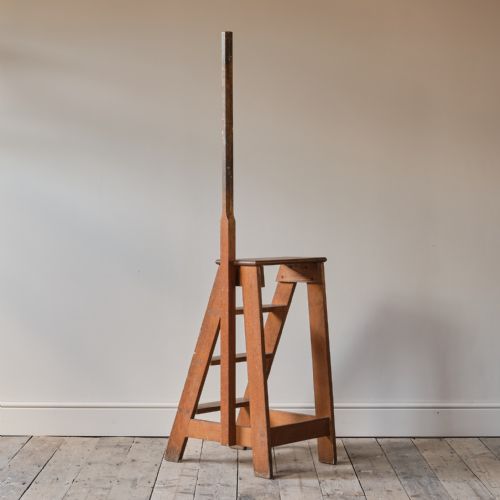
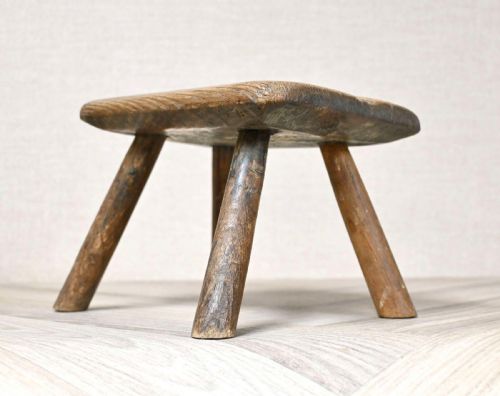
Vintage oak steps encompass sturdy library ladders, freestanding flights, and metamorphic chair combinations designed for reaching high shelves. These pieces range from Georgian A-frame designs and late Victorian flights to early twentieth century examples.
Buyers seeking vintage oak steps will encounter substantial timber constructions intended for heavy domestic or institutional use. The selections span simple country forms to architectural library fixtures.
How they were made
The primary construction relies on solid oak, chosen for its structural strength and durable grain. Brass fittings occasionally appear as hinges or locking mechanisms on folding or metamorphic examples.
Joinery techniques reflect the period of origin, utilising pegged joints or robust framing to ensure stability under weight. Surfaces retain natural timber finishes or historic patination developed through decades of handling.
Vintage Oak Steps Retail Price Guide 2026
Typical asking prices for vintage oak steps among the pieces listed under this phrase on Sellingantiques today, from the lower quarter to the upper quarter. They describe what is for sale here now, not the wider market.
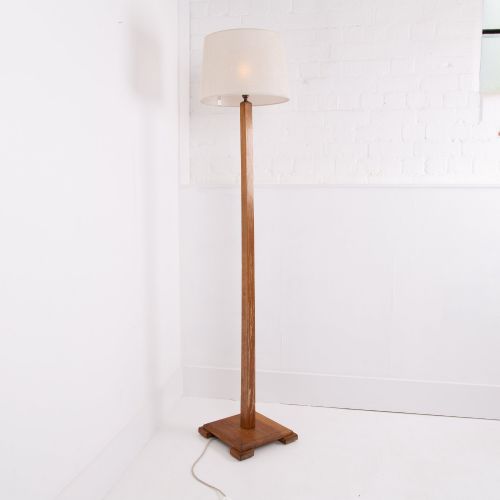
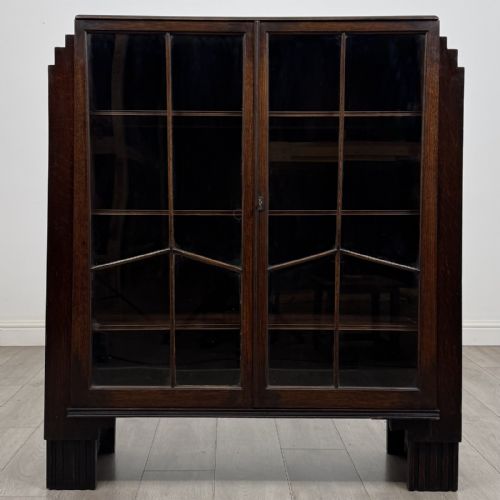
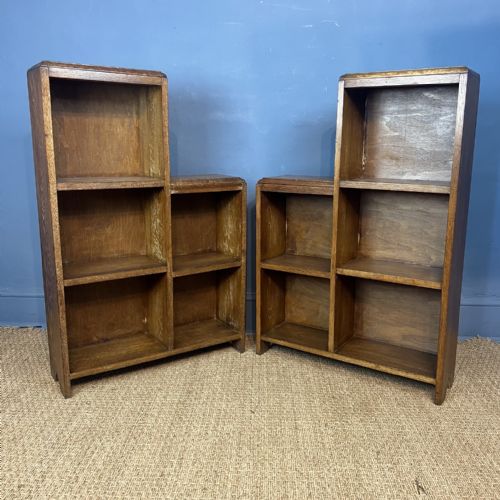
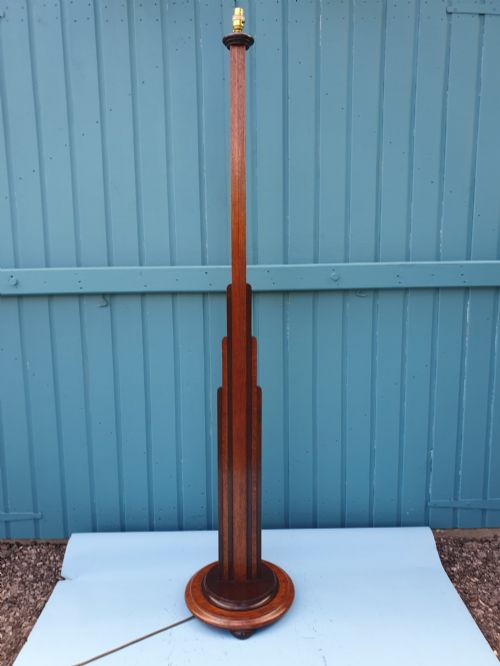
Listings feature solid oak across multiple forms, including library ladders, stools, and stepped standard lamps dating from the eighteenth century onward.
What varies in quality
Quality rests upon the integrity of the timber frame and the precision of the joinery connecting the treads to the uprights. Examples with sophisticated metamorphic action or substantial golden oak proportions represent the higher tier of manufacture.
The degree of original surface preservation and the absence of structural compromise dictate the standing of a piece. Finer examples retain their original operational hardware and uncompromised structural density.
Heals·Kershaw Schofield
The Vintage Oak Steps Glossary
- Metamorphic
- A piece of furniture designed to transform from one object into another, such as library steps that fold down into a chair. This clever dual purpose engineering appealed greatly to nineteenth century interior designers.
- A-frame
- A triangular structural configuration that provides independent stability without requiring wall support. This framing method is common in freestanding library ladders.
- Golden oak
- A bright, warm timber tone typical of certain nineteenth and early twentieth century furniture pieces. The finish highlights the natural medullary rays within the wood.
- Tread
- The horizontal surface of a step upon which the foot rests. In library steps, these boards bear the primary load and wear.
Vintage Oak Steps: Frequently Asked Questions
Are vintage oak steps safe to climb?
Most solid oak steps remain structurally robust and capable of supporting weight when placed on a level surface. It is prudent to check the stability of the joints and treads before ascending.
Heavier library flights and A-frame designs offer particularly high stability due to their wide bases and dense timber construction.
How do I distinguish Georgian steps from later periods?
Georgian library steps typically feature simpler, utilitarian joinery and distinct A-frame geometry tailored for domestic studies. Later Victorian and Edwardian iterations often incorporate more elaborate turning or metamorphic functions.
Examining the underlying timber preparation and brass hardware helps clarify the manufacturing era.
Can metamorphic step chairs function as everyday seating?
Metamorphic pieces serve adequately as occasional chairs while retaining their secondary mechanical purpose. The folding mechanisms are engineered to lock securely in both configurations.
Users should ensure the locking pins or hinges are properly engaged before sitting.
How should I maintain the oak finish?
Periodic application of a quality beeswax helps nourish the timber and maintain a soft sheen without building up heavy residues. Avoid placing wooden steps near direct heat sources to prevent timber splitting.
Gentle dusting with a dry cloth keeps the surface grain clear and protected.