





Vintage Oak Hall Chair
A vintage oak hall chair delivers immediate architectural weight to an entranceway, combining sturdy timber construction with historical revival character.
Vintage Oak Hall Chair
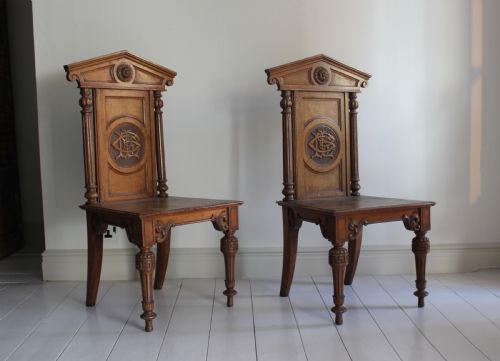
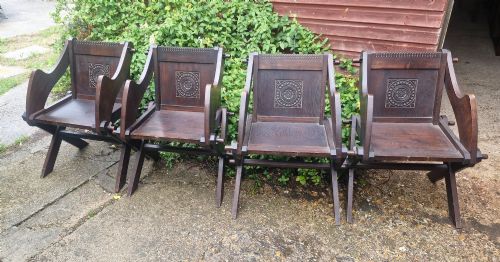
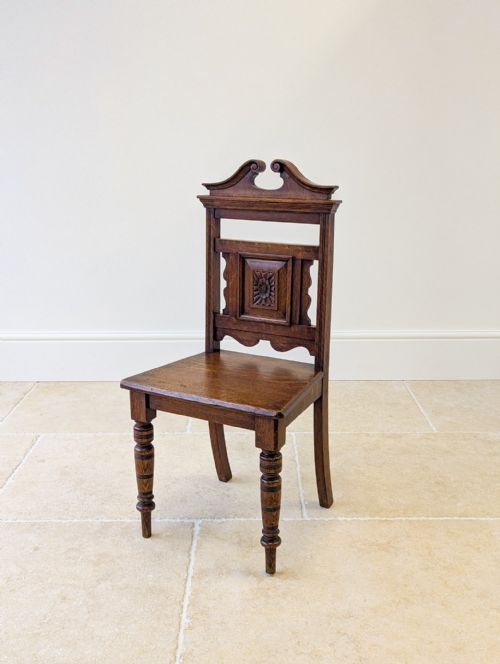
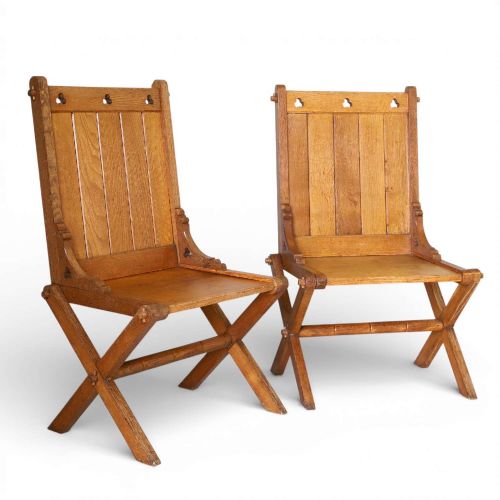
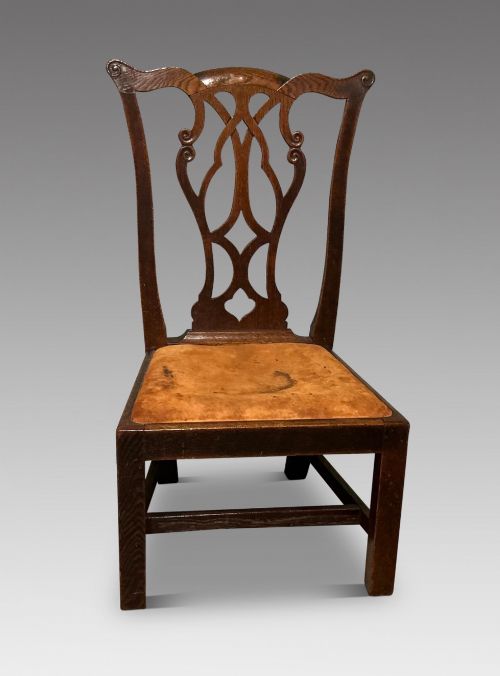
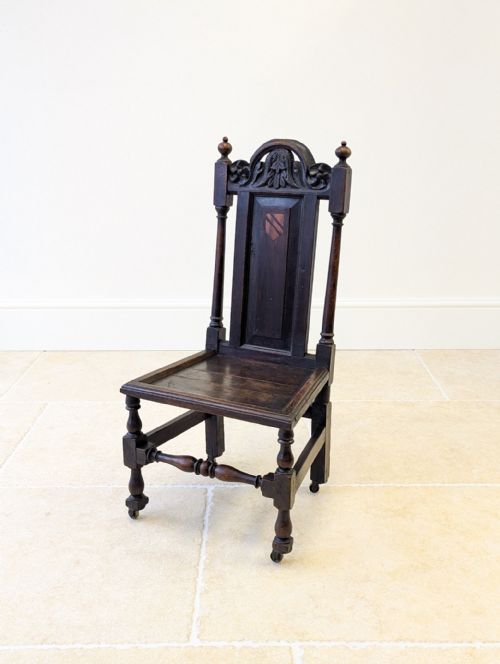
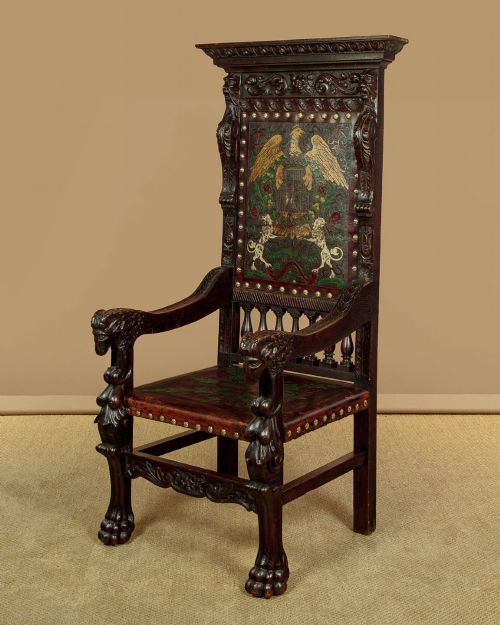
When you search for a vintage oak hall chair, you encounter seating designed primarily for hallways and landings, drawing on centuries of historical design. The selection spans Victorian, Edwardian, and early twentieth-century eras, alongside earlier revival pieces that echo seventeenth and eighteenth-century forms.
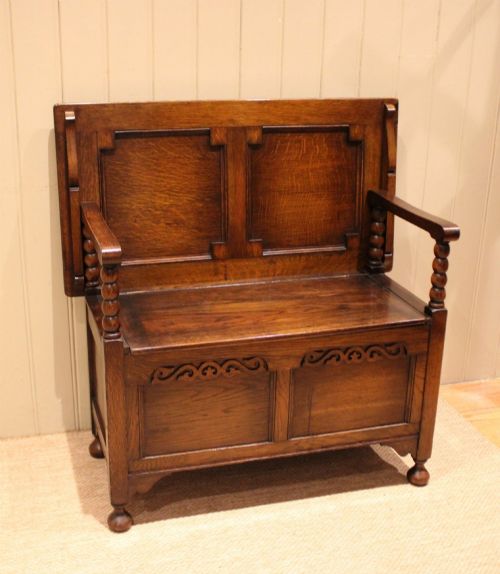
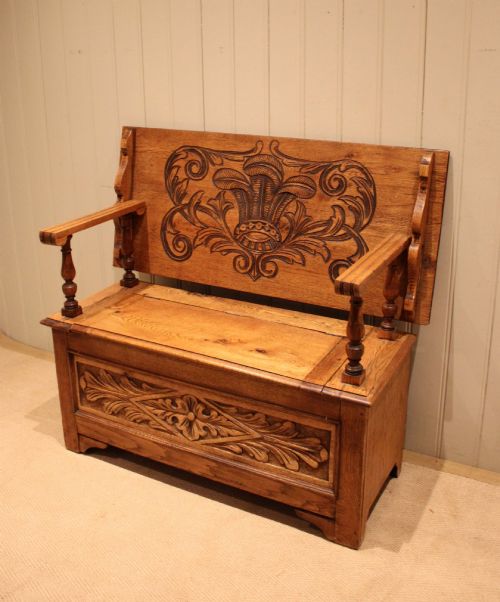
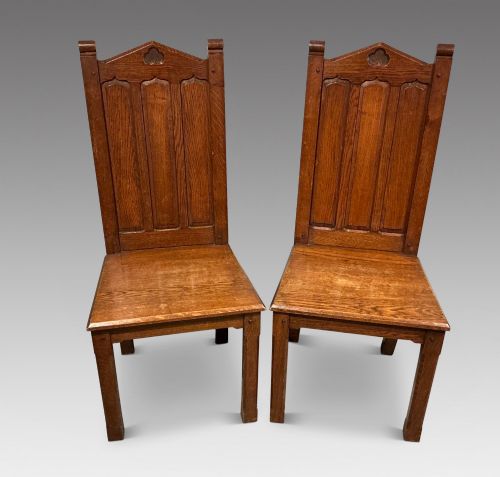
The objects take various structural shapes, from upright side chairs and high-back throne chairs to monks benches, settle benches, and folding X-frame designs. Gothic Revival, Jacobean Revival, and Arts and Crafts styles dominate the aesthetic, frequently displaying carved panels, trefoil details, and barley twist legs.
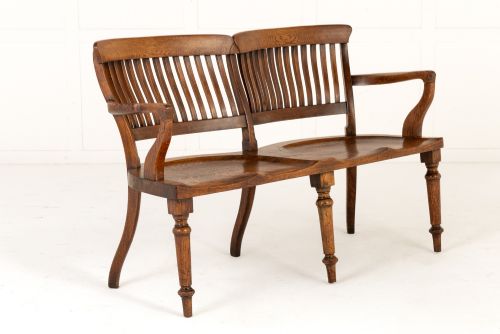
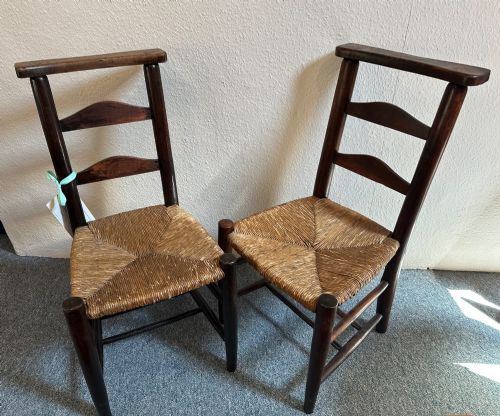
While traditional hall chairs stand upright and rigid to suit their transitional placement, the inventory also encompasses related forms like gossip chairs, armchairs, and occasional seating. These pieces utilise solid timber framing, occasionally paired with leather, brass, cane, or fabric elements.
Factors of quality
Quality rests in the crispness of the hand-carving and the structural integrity of the timber frame. Superior examples display deep, deliberate relief work on the back panels and crestings, whereas lesser items rely on shallow stamping or plain timber surfaces.
The choice of secondary materials and the preservation of original elements dictate the upper tier of the range. Intact cane work, well-preserved tooled leather panels, and matching sets elevate a piece far beyond standard solitary utility seating.
Vintage Oak Hall Chair Retail Price Guide 2026
Typical asking prices for vintage oak hall chair among the pieces listed under this phrase on Sellingantiques today, from the lower quarter to the upper quarter. They describe what is for sale here now, not the wider market.
Listings feature oak seating spanning from the seventeenth century through to the Art Deco period, incorporating brass, leather, and cane elements.
The Vintage Oak Hall Chair Glossary
- Jacobean Revival
- A nineteenth-century style imitating seventeenth-century English furniture. It utilises dark finishes, geometric moulding, and turned supports.
- Gothic Revival
- An architectural and decorative movement drawing inspiration from medieval forms. Pieces display pointed arches, trefoil motifs, and heavy vertical proportions.
- Monks Bench
- A multifunctional furniture form featuring a hinged top that converts the seat back into a table. This dual purpose suited compact domestic spaces.
- Barley Twist
- A turned wooden furniture leg resembling a twisted rope. This detail appears frequently on seventeenth-century pieces and later revival iterations.
- Sgabello
- A portable Renaissance chair type featuring a wooden seat supported by two carved board legs rather than four standard posts.
Vintage Oak Hall Chair: Frequently Asked Questions
Where did people put hall chairs?
These seats stood in entrance halls, corridors, and landings of large houses and public buildings. They offered temporary seating for callers waiting to be announced.
Because hallways faced heavy foot traffic, the furniture was built tall and upright to occupy minimal floor space while making a strong visual statement.
How do I identify Gothic Revival styles?
Gothic Revival pieces display architectural motifs borrowed from medieval churches and cathedrals. Look for pointed archways, trefoil cutouts, and steeply pitched crest rails.
These designs often feature rigid high backs and sombre oak tones that emphasise vertical lines over comfortable lounging.
What is a monks bench used for?
A monks bench serves as both a seat and a small table through a folding or pivoting top mechanism. In smaller rooms, the flat back folded down over the arms to create a surface for eating or writing.
This clever engineering maximised utility in historical interiors where dedicated table space was limited.
Are these chairs comfortable for daily use?
Most hall chairs were constructed for posture and architectural presence rather than long periods of relaxation. Their upright wooden backs and shallow seats reflect their original purpose as transient hallway furniture.
Matching occasional armchairs or upholstered variants offer softer seating while retaining the historical character of the oak framework.