


Vintage Oak Form
These vintage oak form pieces combine practical utility with distinct period character, offering buyers solid timber construction alongside unusual structural designs.
Vintage Oak Form
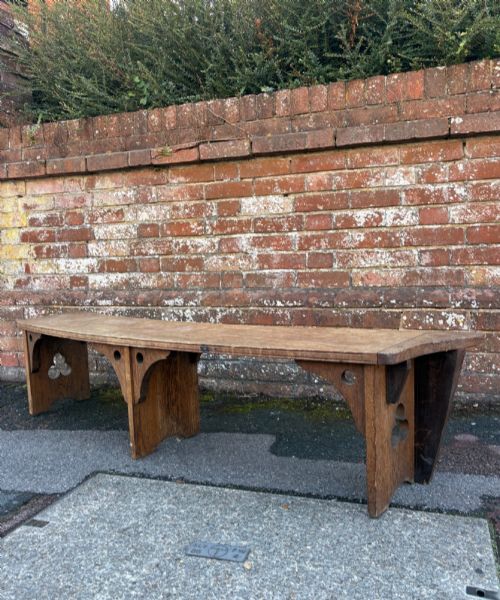
Buyers will most frequently encounter sturdy dining benches, refectory seating, and unusual novelty objects shaped like miniature chests, wagons, or animals. These items range from rustic farmhouse seating to gothic revival benches featuring trefoil carved supports.
Forms extend beyond traditional furniture to include milliners hat blocks, smokers cabinets, and biscuit barrels fashioned into specific shapes. Each piece utilises oak timber, occasionally paired with walnut, brass, leather, or iron.
Materials and construction
Solid oak serves as the primary structural material across these listings, complemented by occasional secondary woods like birch and walnut. Craftsmen joined heavy timber components using traditional joinery suited to long benches and refectory tables.
Metal elements such as brass, iron, and silver plating appear on novelty items and cabinets to provide functional hinges, handles, and decorative trim. Painted wood and leather also emerge on specific decorative objects and desks from the nineteenth and early twentieth centuries.
Object forms on this page range from full-length refectory benches down to miniature box coffers and hat blocks.
What separates the finest examples
Quality rests upon the crispness of carved details, such as trefoil supports or folk art figures, and the stability of the primary oak timber. Superior items display well-chosen grain patterns and a mellow colour achieved through age rather than heavy surface treatments.
The integrity of the construction, particularly on long dining benches and refectory tables, dictates the structural standard of the piece. Items that retain original metal fittings and untouched surface patination command greater interest among collectors.
The Vintage Oak Form Glossary
- Refectory table
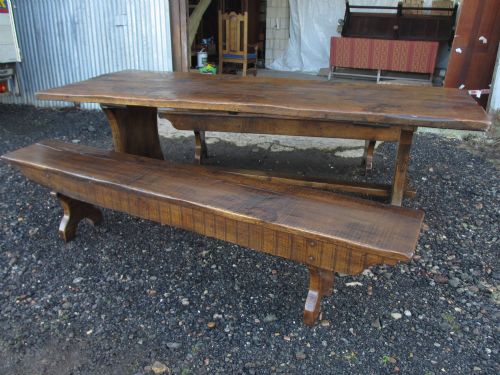
- A long dining table traditionally used in monastic refectories and later adopted in domestic rustic settings. These examples typically feature sturdy trestle ends to support heavy oak tops.
- Trefoil
- A three-lobed decorative ornament resembling clover leaves, often seen carved into gothic revival furniture supports. This motif derives from medieval architecture.
- Cofer
- An antique chest or trunk used for storage, occasionally constructed in miniature form to serve as a small box. Early Georgian examples show precise panel construction in solid oak.
- Metamorphic furniture
- Pieces designed to transform from one type of object into another, such as a bureau converting into a drinks cabinet. These ingenious designs require precise internal mechanisms.
- Folk art
- Utilitarian objects or decorative carvings made by self-taught individuals outside academic traditions. The category includes hand-carved wooden candlesticks and figurative pieces.
Vintage Oak Form: Frequently Asked Questions
What is an oak form?
An oak form generally refers to a long wooden bench or seat, though the term also applies to objects shaped in a particular style or silhouette.
Listings under this search encompass both utilitarian seating and novelty items fashioned into recognizable shapes.
How do I date a vintage oak bench?
Dating relies on observing construction techniques, tool marks, and stylistic indicators such as Gothic Revival carvings or Arts and Crafts framing.
Earlier pieces from the eighteenth century show hand-pegged joinery and dense grain patination compared to later nineteenth-century work.
Where should I place a refectory bench?
These long oak benches suit traditional dining spaces, hallways, or spacious kitchens where substantial seating is required.
Their narrow profile allows them to tuck neatly beneath matching dining tables when not in use.
Are novelty oak forms functional?
Many novelty forms serve practical purposes, including smokers cabinets, biscuit barrels, and storage coffers disguised as miniature objects.
Others, such as hat blocks and decorative candlesticks, function primarily as sculptural decorative items.