





Vintage Nursery Seat
A vintage nursery seat brings domestic history into focus through diminutive proportions designed for children.
Vintage Nursery Seat
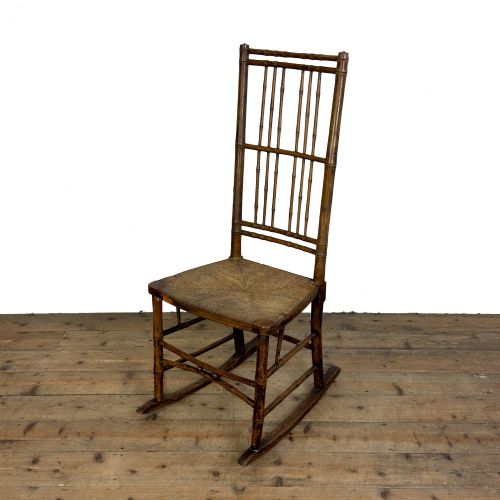
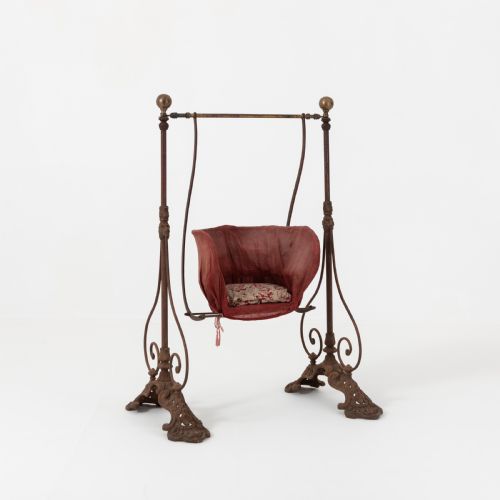
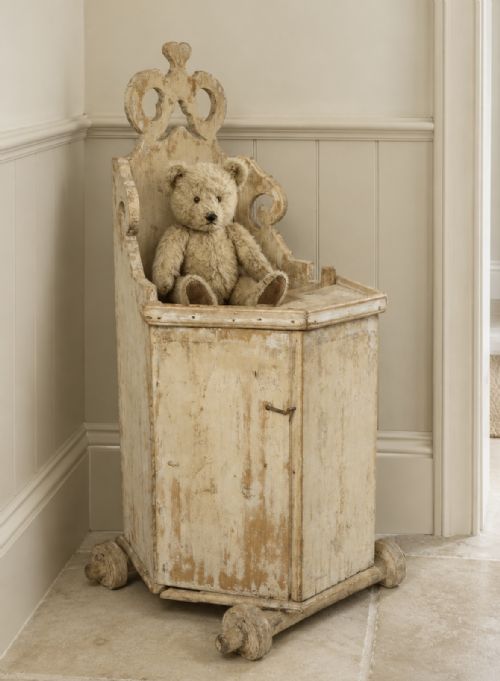
A vintage nursery seat encompasses small-scale armchairs, rockers, high chairs, and even swings fashioned for children over past centuries. These pieces reflect the furniture of adult rooms scaled down for domestic use in nurseries and parlours.
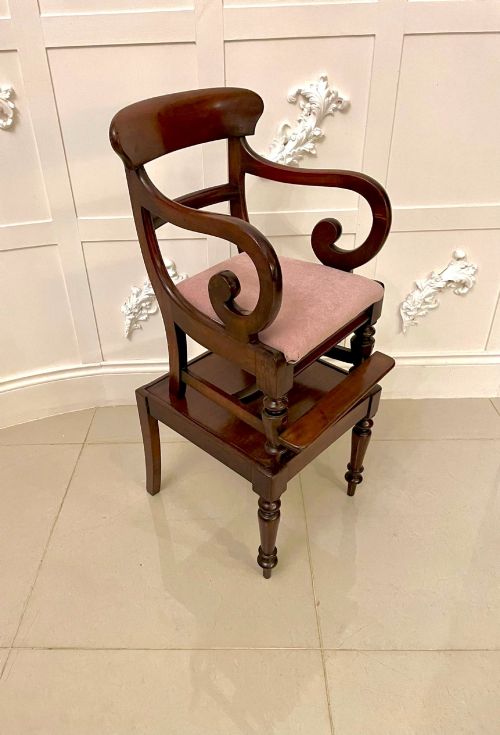
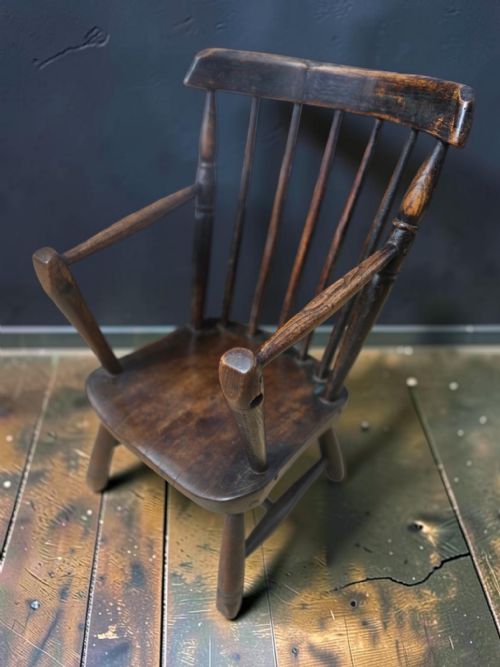
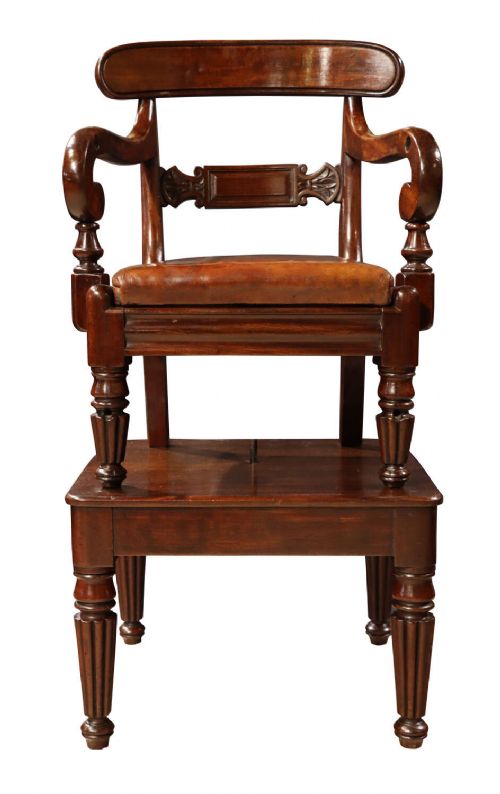
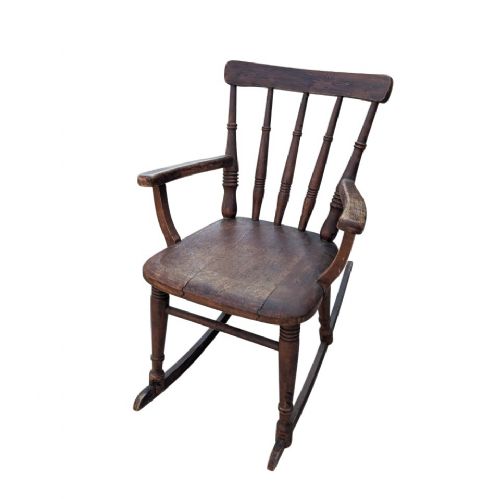
Most examples found here date from the nineteenth century, spanning Victorian, Georgian, and Regency periods alongside Edwardian and early twentieth-century designs. Common forms include Windsor chairs, caned tub highchairs, rocking chairs, and metamorphic high chairs that convert for table use.
How they were made
Cabinetmakers and country joiners utilised timber such as mahogany, beech, oak, elm, and walnut, often shaping them with turned spindles and curved backs. Caning, bergere, cane seats, and fabric upholstery provided seating surfaces, while occasional pieces incorporated cast iron frames or bamboo and faux bamboo elements.
Construction techniques mirrored adult furniture of the period, employing mortise and tenon joints, steam-bent wood for rocking chair runners, and intricate inlay or painted finishes on select decorative examples.
Vintage Nursery Seat Retail Price Guide 2026
Typical asking prices for vintage nursery seat among the pieces listed under this phrase on Sellingantiques today, from the lower quarter to the upper quarter. They describe what is for sale here now, not the wider market.
Listings feature timbers including mahogany, beech, oak, elm, and walnut alongside caned and upholstered seating surfaces.
What varies in quality
Quality rests upon the proportion and fidelity of the scaling down, as well as the choice of timber and joinery skill. Pieces that utilise dense hardwoods like mahogany or walnut with refined turning show greater care in the workshop.
The survival of original surfaces, such as aged cane work, early upholstery, or painted finishes, distinguishes pieces that retain their character from those heavily altered or restored over generations.
The Vintage Nursery Seat Glossary
- Metamorphic chair
- A convertible piece designed to transform from a high chair into a low rocking chair or play seat.
- Bergere
- A type of upholstered armchair featuring enclosed cane sides and back panels.
- Windsor chair
- A wooden seating form constructed with a solid wooden seat into which stick legs and back spindles are wedged.
- Bentwood
- Wood softened by steam and bent into curved shapes, commonly utilised for lightweight nineteenth and twentieth-century chairs.
- Cane
- Woven rattan material utilised for seats and backs, offering flexibility and ventilation.
Vintage Nursery Seat: Frequently Asked Questions
What is a nursery seat?
A nursery seat is a small chair or high chair historically made for a child's use in domestic settings. These items mirror the prevailing furniture styles of their respective eras.
Craftsmen scaled down standard forms like armchairs and rockers to suit children, creating practical items that doubled as nursery decor.
How do I date a child's chair?
Dating relies on identifying the timber, construction methods, and stylistic cues corresponding to periods like the Georgian or Victorian eras. Details such as turned spindles, joinery types, and leg styles help place the piece in time.
Comparison with adult furniture of the same decades often provides a reliable baseline for the age of the item.
Were high chairs convertible?
Some period high chairs feature metamorphic designs that allow the seating portion to detach from a tall base or fold downward. This innovation provided dual utility for feeding and lower-level play.
Such engineering reflects nineteenth-century ingenuity in domestic furniture design.
Can these chairs be used today?
While these pieces originated as functional items, many buyers today acquire them for decorative display or collections. Structural integrity varies due to age and delicate scaling.
Placing them in a home requires balancing appreciation for their historical craftsmanship with practical considerations of modern seating safety.