



Vintage Nautical Lighting
These vintage nautical lighting pieces bring authentic maritime history into domestic interiors through robust brass, copper and glass forms salvaged from ships.
Vintage Nautical Lighting
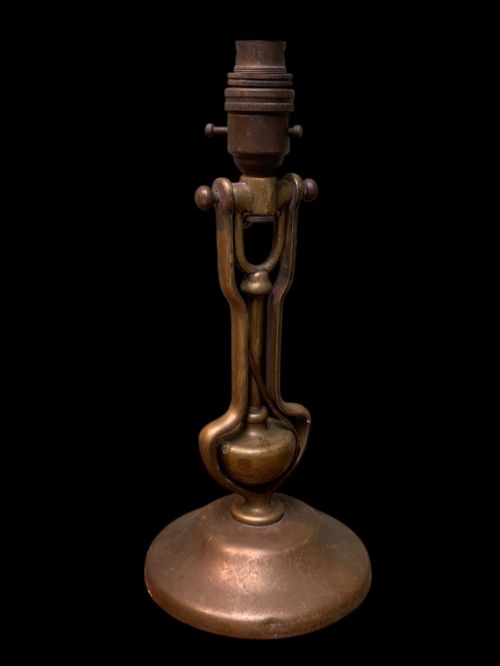
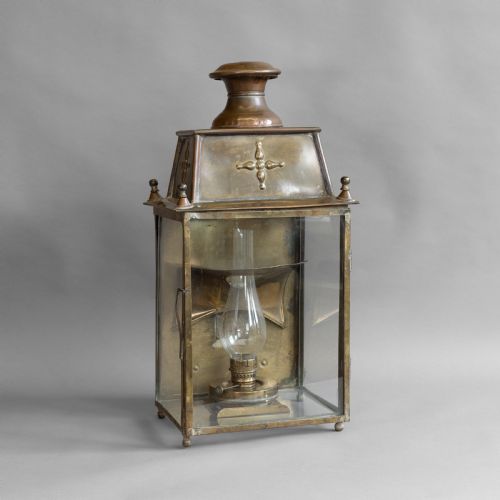
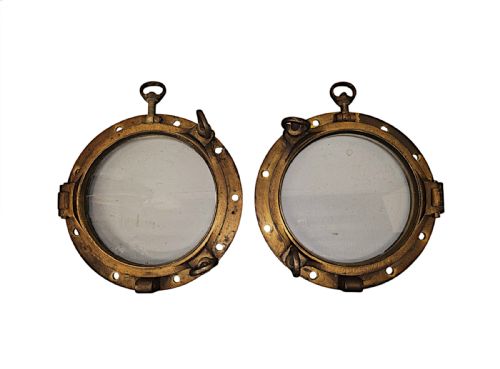
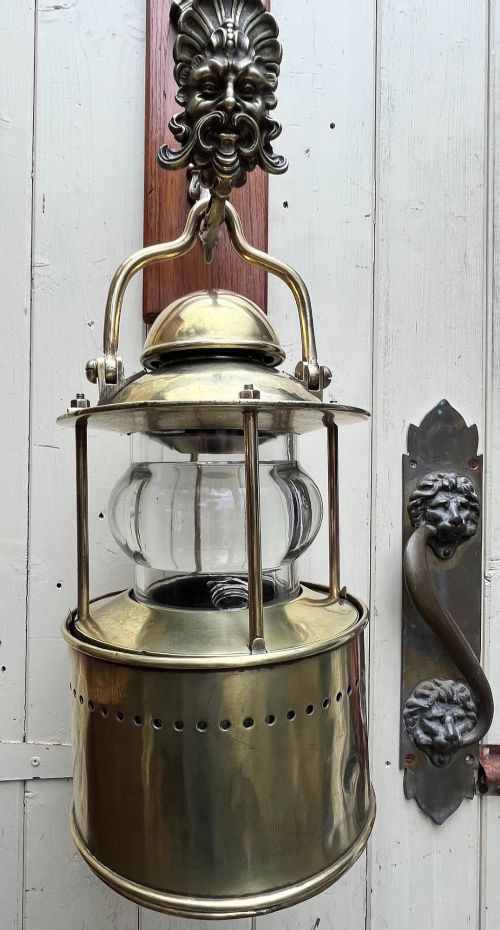
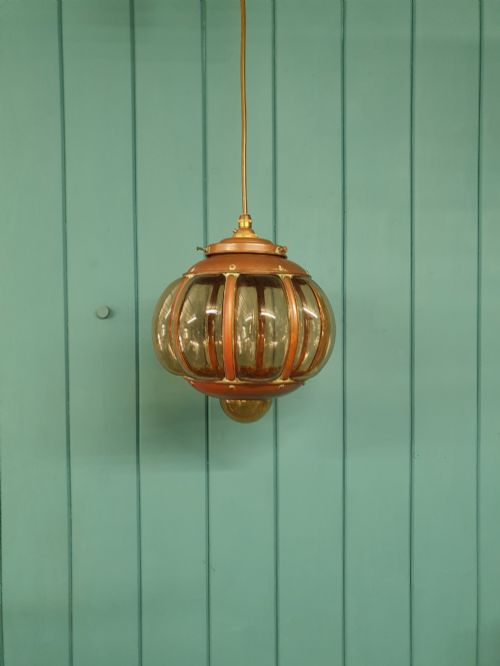
When you search for vintage nautical lighting, you encounter functional items salvaged from vessels and maritime environments, spanning the nineteenth century through the art deco period. The selection on this page includes brass port holes, copper pendant lights, ship lanterns, and gimbal lamps designed to swing level at sea.
You will also find related decorative objects such as table lamps modelled on lighthouses and yachts, alongside architectural salvage and wall lanterns. These pieces originate from maritime trades and naval service, bringing industrial heft and utilitarian design into modern rooms.
How they were made
Workshop production relied on heavy cast brass, spun copper, and nickel plating to withstand harsh marine conditions, paired with thick clear or smoked glass. Metal components were joined by riveting and heavy screws, while gimbal mechanisms allowed lamps to maintain an upright position aboard rolling ships.
Surface treatments included black enamelling over iron and natural patination on copper and brass, reflecting practical requirements rather than decorative trends. Wooden elements like bobbin turned teak appeared in associated items, alongside fabric and paper shades on later table lamps.
Vintage Nautical Lighting Retail Price Guide 2026
Typical asking prices for vintage nautical lighting among the pieces listed under this phrase on Sellingantiques today, from the lower quarter to the upper quarter. They describe what is for sale here now, not the wider market.
A ship or train gimbal lamp ensures your lighting stays level, whether you face a Force Ten gale or just a bumpy commute.
What varies in quality
Quality rests upon the integrity of the original marine hardware, the weight of the cast metal, and the presence of maker attribution. Pieces featuring heavy nickel plating or solid brass construction with functioning gimbal rings sit at the higher end of the range.
The distinction between standard utility items and superior examples involves the crispness of foundry marks, the thickness of the protective glass, and the depth of natural patination developed over decades of maritime service.
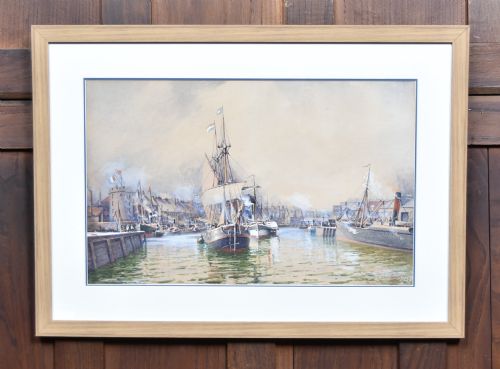
William McGeoch & Co·William Lee Hankey
The Vintage Nautical Lighting Glossary
- Gimbal
- A pivoting ring set that allows a lamp or compass to remain horizontal regardless of the ship's motion. This mechanism is standard on better naval lighting.
- Port hole
- A heavy circular window frame fitted with thick glass, salvaged from ships and adapted for architectural use. These brass mounts provide structural weight.
- Smoked glass
- Darkened or tinted glass used in lanterns to diffuse intense light or conceal the flame source. It creates a subdued glow.
- Nickel plated
- A protective and reflective metal coating applied over brass or base metals to prevent corrosion in salt air. This finish brightens the surface.
Vintage Nautical Lighting: Frequently Asked Questions
How do gimbal lamps work?
Gimbal lamps use a system of pivoting rings that counteract the rolling and pitching of a vessel. This keeps the burner or bulb vertical while the mounting bracket remains fixed to a bulkhead.
Such mechanisms were essential equipment on nineteenth and early twentieth century ships to prevent fires and maintain steady illumination in heavy seas.
Are these lights wired for modern homes?
Most pieces require rewiring by a qualified electrician to meet current domestic standards, as original fittings were designed for marine electrical systems or oil. Standard bulb holders can usually be fitted inside historical housings without altering the exterior appearance.
Retaining the patinated metal body while updating the internal wiring ensures the fixture is safe for daily indoor use.
How should I clean brass and copper?
Maintaining vintage maritime metals involves preserving the historical surface rather than polishing it to a mirror shine. A soft dry cloth removes dust, while gentle wax protects the natural dark patination accumulated over decades.
Aggressive chemical cleaners strip away the aged character that collectors value in authentic ship salvage.
How do I date a ship lantern?
Dating relies on construction methods, materials, and maker marks stamped into the brass or copper housing. Heavy cast components and simpler ventilation cowls generally indicate nineteenth century origin, while nickel plating and smoother stamped sheet metal point toward the Edwardian era and the 1920s.
Comparing the fastener types and glass thickness against dated examples helps narrow the period of manufacture.