





Vintage Nautical Light
These vintage nautical light fixtures bring maritime history into a room, offering solid brass construction and genuine shipboard utility for modern interiors.
Vintage Nautical Light
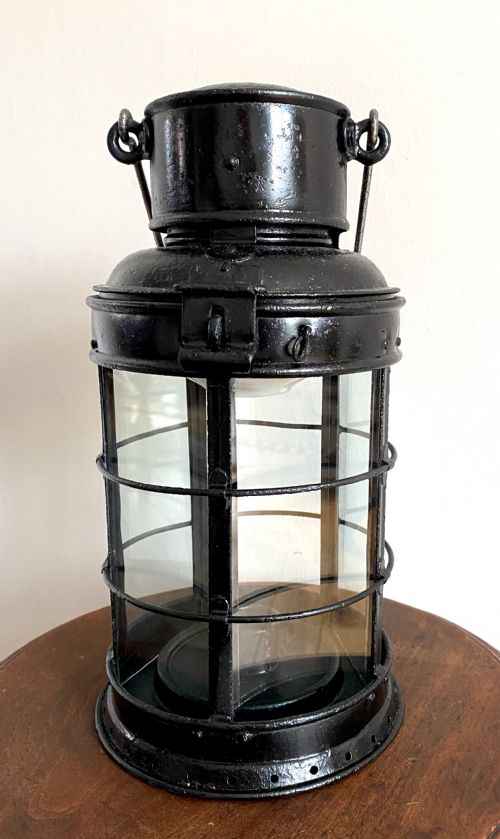
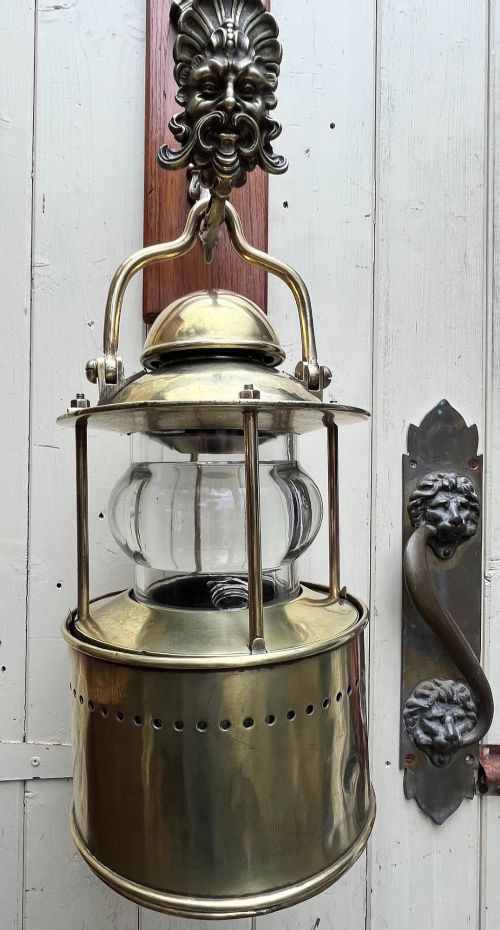
When searching for a vintage nautical light, buyers encounter brass gimbal lamps, copper pendants, and heavy port lanterns salvaged from vessels of the nineteenth and early twentieth centuries. These objects originate from maritime service, railway carriages, and coastal installations, bearing the distinct marks of life at sea.
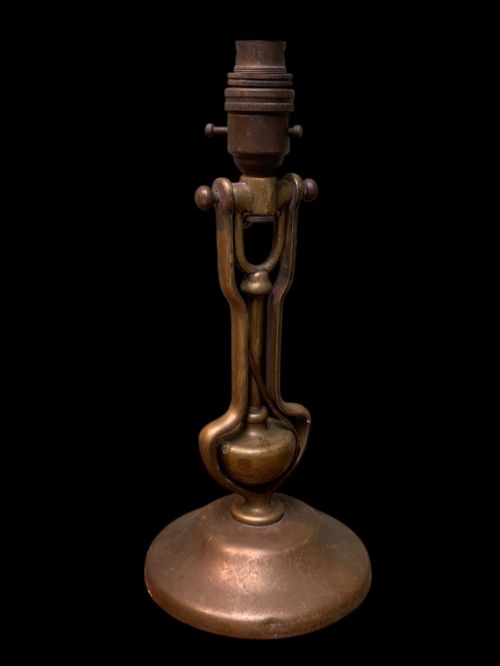
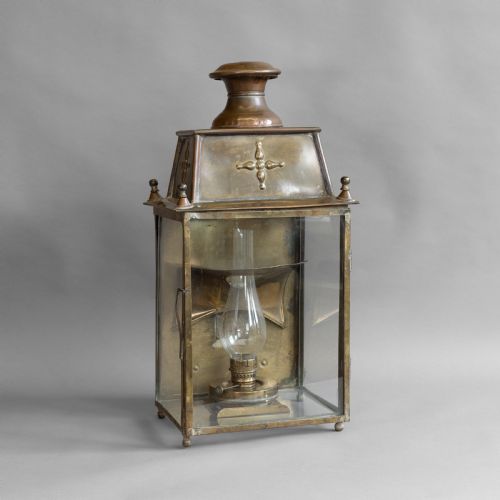
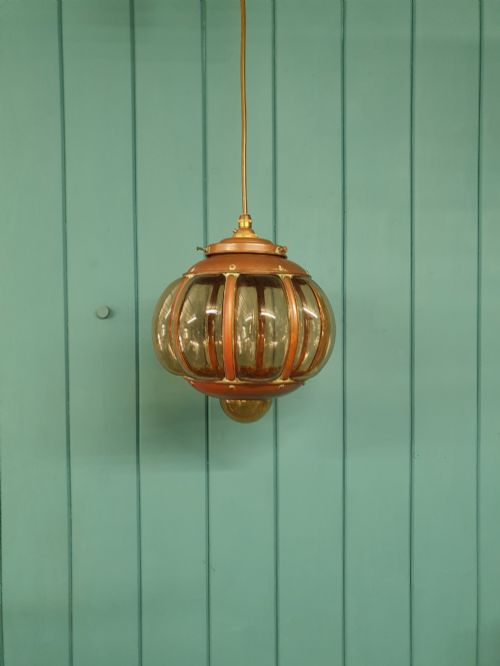
The most common forms on this page include gimbal-mounted table lamps designed to stay level on rolling decks, alongside copper and brass wall lanterns. Pieces range from Edwardian oak lighthouse table lamps to Art Deco chrome yacht lamps and heavy iron naval fixtures.
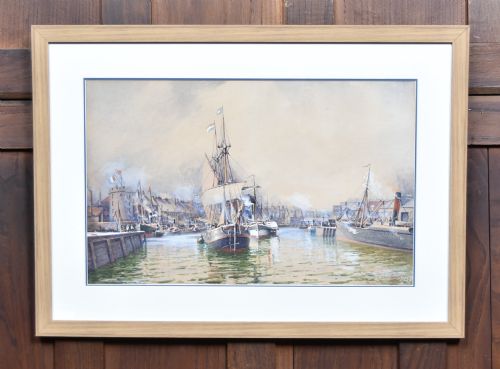
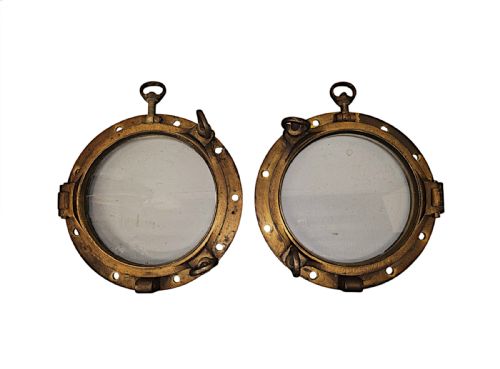
Alongside functional lighting, the selection encompasses related maritime items such as brass port holes, framed watercolours depicting harbours, and solid teak candlesticks from royal yachts. Each object preserves a tangible link to naval history and maritime engineering.
How they were made
Metalwork forms the core of these pieces, utilising heavy cast brass, spun copper, and nickel-plated finishes designed to withstand harsh marine environments. Makers employed robust joining techniques, riveting and soldering thick metal plates to ensure watertight integrity on board vessels.
Glass components feature thick, heavy-walled construction, often smoked or ribbed to diffuse glare and protect the flame or bulb within. Timber elements such as teak and solid oak are turned and fitted with precision to house electrical or oil-burning mechanisms securely.
Vintage Nautical Light Retail Price Guide 2026
Typical asking prices for vintage nautical light among the pieces listed under this phrase on Sellingantiques today, from the lower quarter to the upper quarter. They describe what is for sale here now, not the wider market.
Objects range from utilitarian brass port holes and ship lanterns to fine watercolour paintings of ports and yacht table lamps.
What varies in quality
The distinction between standard utility hardware and superior pieces rests on the weight of the metal and the complexity of the gimbal mechanism. Higher quality examples retain original plating, maker stamps, and unpolished patination that reflect genuine service at sea.
Artistry in design also separates mass-produced ship hardware from bespoke creations, such as sculptural Art Deco chrome yacht lamps or specialised cabin fittings. The integrity of the original mounts and the preservation of authentic glass further elevate the standing of an individual piece.
William McGeoch & Co
The Vintage Nautical Light Glossary
- Gimbal
- A pivoted support ring that allows a lamp or compass to remain level despite the rolling of a ship. This mechanical arrangement is common in table lamps from the early twentieth century.
- Port hole
- A circular glass window set into the hull of a ship for light and ventilation. Heavy brass frames were secured with bolts and wing nuts.
- Port lantern
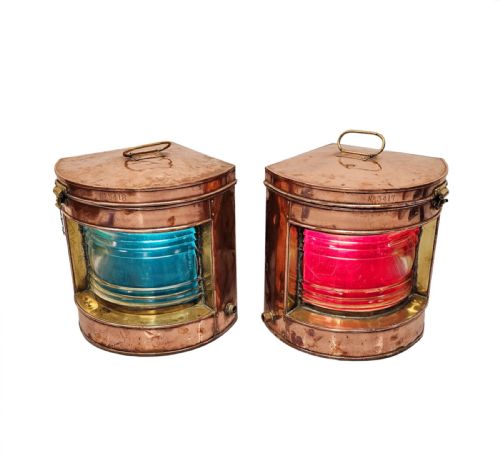
- A specialised navigational light placed on the side of a vessel to indicate its heading to other ships. These fixtures utilise coloured or clear heavy glass lenses.
- Patina
- The surface sheen and oxidation developed over decades of exposure to sea air and handling. Collectors value original patination for confirming the genuine age of brass and copper.
Vintage Nautical Light: Frequently Asked Questions
How do ship gimbal lamps work?
Gimbal lamps use concentric pivoting rings that counteract the movement of a vessel, keeping the burner and shade upright as the ship pitches and rolls.
This clever engineering ensures that oil or paraffin lamps remained stable and safe in heavy seas without spilling fuel.
Can these nautical lights be rewired for modern homes?
Most of these brass and copper fixtures can be adapted by a qualified electrician to accept standard modern lightbulbs and wiring.
Retaining the original sockets and switches is often possible, but internal rewiring ensures safe daily use in contemporary rooms.
How do I care for antique brass and copper?
Gentle dusting with a dry cloth is usually sufficient to maintain the surface without stripping away the historic patina that collectors value.
Avoid harsh chemical metal polishes, which can remove the character built up over a century of marine exposure.
How do I identify Edwardian nautical pieces?
Edwardian items often feature heavy cast brass frames, maker marks from established maritime suppliers, and distinctive thick glass lenses.
Stylistic cues from this period blend utilitarian naval strength with the refined metalworking techniques of the early twentieth century.