

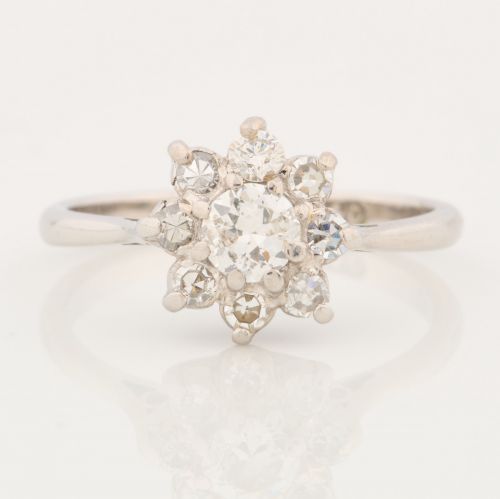


Vintage Multi Stone Ring
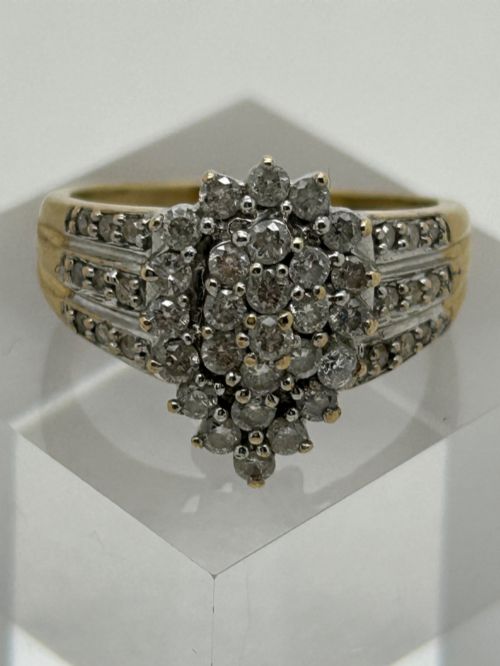
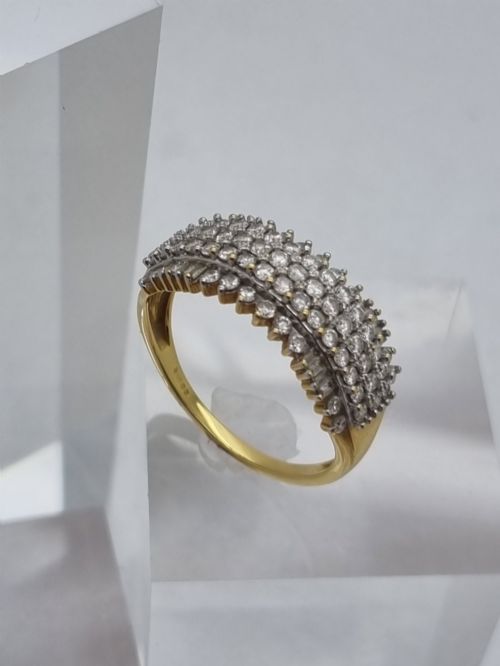
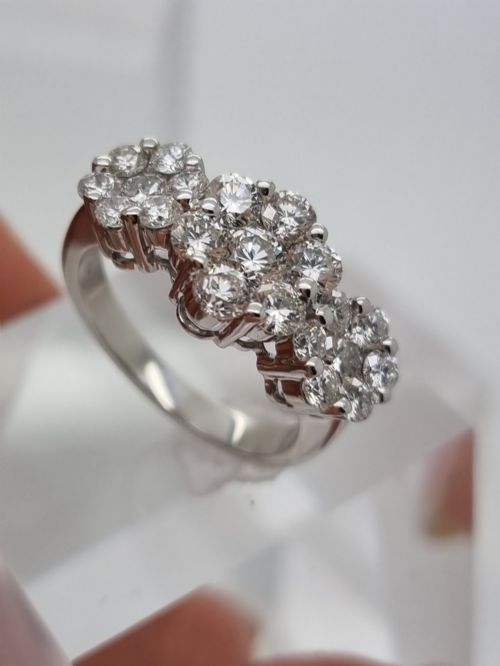
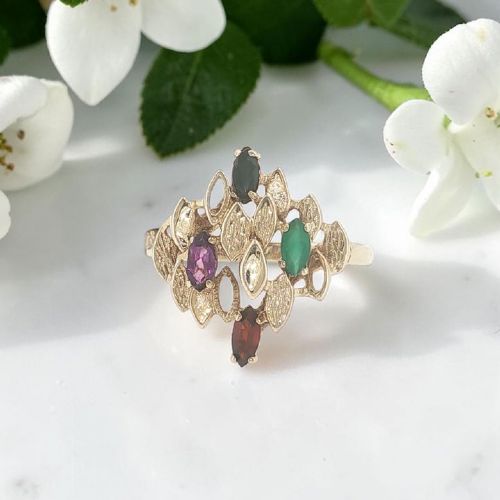
A vintage multi stone ring gathers colour and brilliance into a single hand, offering rich variety across multiple gems and gold settings.
Vintage Multi Stone Ring
A vintage multi stone ring brings together an array of gemstones within a single setting, ranging from vibrant cluster designs to ordered rows. Buyers seek these pieces for their visual impact, combining several stones such as diamond, emerald, sapphire, amethyst, garnet, opal, and tanzanite into one cohesive composition. Dress rings and cocktail designs dominate the selection, offering bolder presence on the hand than a single-stone band.
The periods represented stretch across the nineteenth century, Edwardian era, 1930s, 1950s, 1960s, and later twentieth-century creations. Cluster configurations and floral motifs appear frequently alongside traditional multi-stone band arrangements. Each piece reflects the distinct aesthetic of its decade, from intricate Edwardian pearl and diamond work to bolder mid-century cocktail clusters.
How they were made
Goldsmiths worked primarily in yellow gold, white gold, and platinum, utilising distinct karat weights including 9ct, 14ct, and 18ct yellow and white gold. Precious and semi-precious gems were secured using traditional claw settings, raised mountings, and close-set cluster arrangements that maximised the play of light across multiple stones.
Craftsmen balanced structural integrity with delicate aesthetic lines, particularly in Edwardian and art deco pieces where platinum and white gold provided strong, fine wirework. Interchangeable designs and multi-bead constructions also appear, demonstrating varied mechanical ingenuity within twentieth-century workshops.
Vintage Multi Stone Ring Retail Price Guide 2026
Typical asking prices for vintage multi stone ring among the pieces listed under this phrase on Sellingantiques today, from the lower quarter to the upper quarter. They describe what is for sale here now, not the wider market.
What varies in quality
The standard of a multi stone ring rests upon the harmony of the stones and the precision of the metalwork holding them together. Superior examples exhibit matched colour saturation in coloured stones and clean, uniform brilliance in diamonds, whereas lesser pieces may show uneven stone selection or hasty setting work.
The architectural balance of the cluster or raised setting dictates the visual success of the piece. Well-made rings maintain robust prongs and secure galleries that protect the girdle of each individual gem, ensuring longevity alongside aesthetic charm.
The Vintage Multi Stone Ring Glossary
- Cluster ring
- A ring design featuring a central stone encircled by a border of smaller gems. This layout creates maximum visual presence on the finger.
- Trilogy ring
- A ring set with three stones, often signifying past, present, and future. Edwardian and mid-century iterations frequently pair diamonds with pearls or coloured gems.
- Old cut diamond
- A precursor to the modern brilliant cut, hand-faceted with smaller tables and larger culets. These stones capture candlelight with a distinctive, softer glow.
- Raised cluster
- A setting where the central gems are elevated above the band on a gallery. This construction allows light to enter the stones from multiple angles.
Vintage Multi Stone Ring: Frequently Asked Questions
What is a multi stone ring?
A multi stone ring incorporates more than one gem into its design, utilising clusters, rows, or mixed stones to create a decorative arrangement on the hand.
These pieces combine diamonds with coloured stones like sapphire, emerald, and garnet, offering diverse visual styles across different decades.
How do I wear a vintage ring safely?
Wearing a vintage ring daily requires mindful care, particularly with raised settings, delicate pearls, and softer stones like opal or amethyst.
Remove the ring during manual labour or heavy activity to protect the delicate prongs and prevent impact damage to the gems.
How can I tell the period of a ring?
Dating a ring involves examining the metal hallmarks, the cut of the diamonds, and the overarching style of the setting. Edwardian pieces often show delicate platinum millegrain work, while 1950s and 1960s rings favour bolder cluster shapes.
Maker marks and gold purity stamps provide further clues to the exact decade of manufacture.
Were these rings used as engagement rings?
Many multi stone rings, particularly diamond clusters and trilogy arrangements, served as engagement rings throughout the twentieth century.
Others were created strictly as dress rings or cocktail jewellery for evening wear, designed purely for decorative effect.