





Vintage Multi Light Fixture
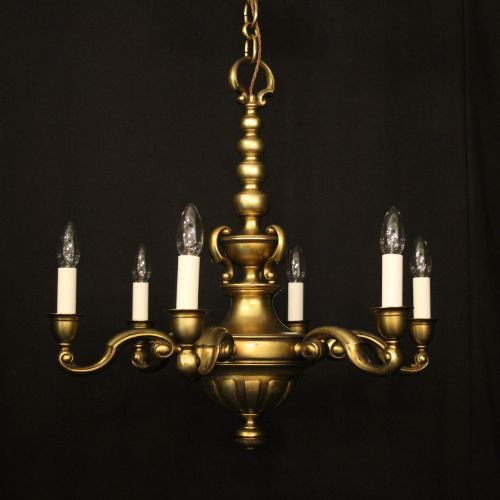
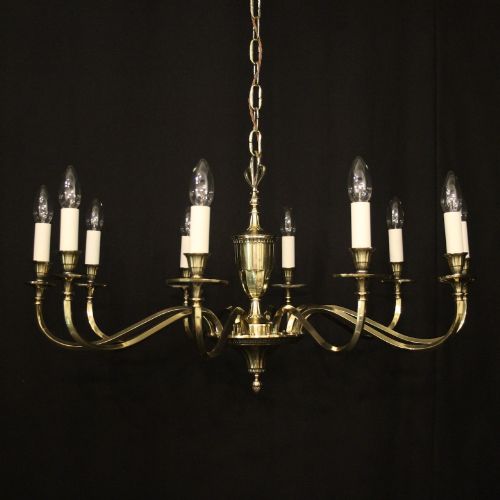
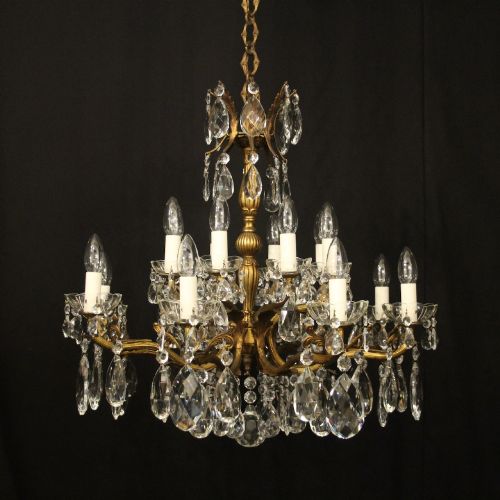
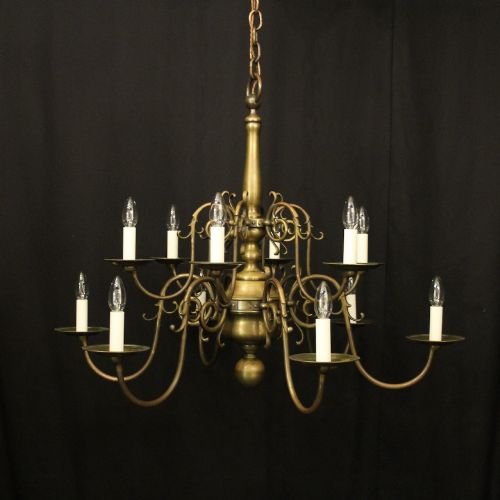
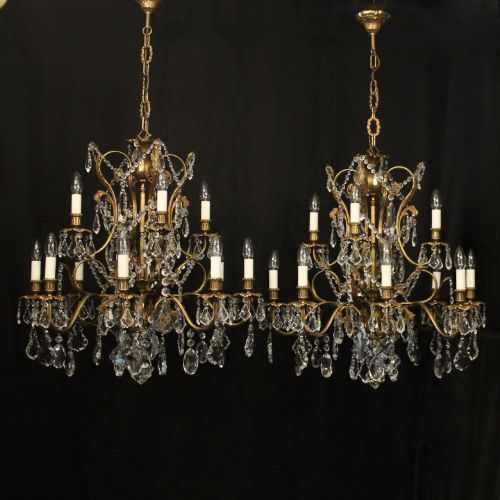
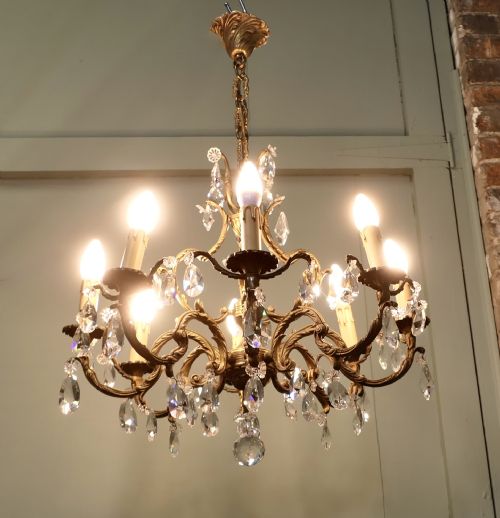
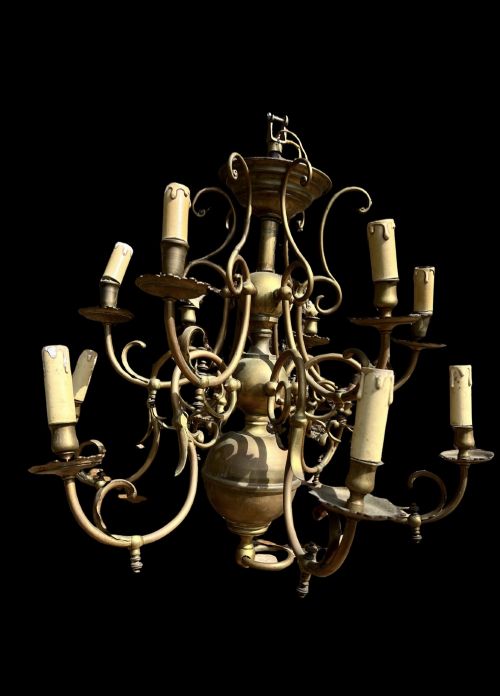
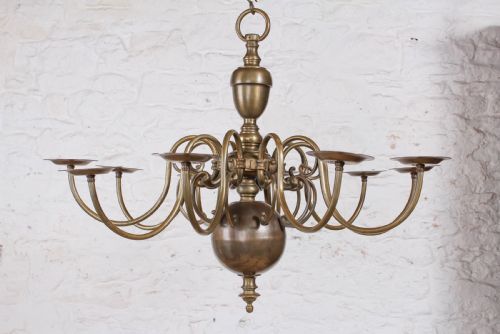
A vintage multi light fixture brings architectural presence and layered illumination to a room, drawing the eye upwards with brass frames and glittering crystal drops.
Vintage Multi Light Fixture
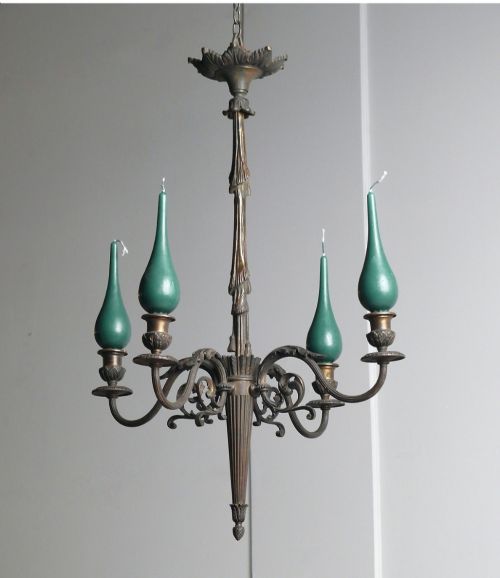
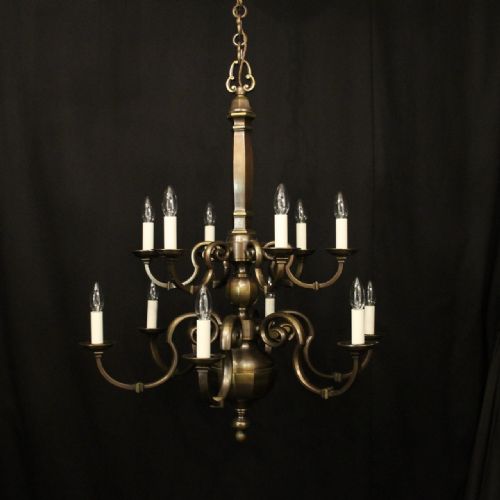
A vintage multi light fixture encompasses substantial hanging chandeliers, ceiling lights and table lamps designed to illuminate large spaces with numerous bulbs. When searching for a vintage multi light fixture, buyers encounter grand multi-branched chandeliers most frequently, ranging from compact five-arm brass designs to massive ballroom centerpieces holding forty-one lights.
The selection spans eras from the mid-nineteenth century through the Edwardian period and Art Deco years, capturing diverse aesthetic movements. French Chateau, Victorian, Grand Regency, French Rococo and Dutch Baroque styles dominate the selection alongside English Traditional and Italian Florentine forms.
Makers and workshops across Britain, France, Italy, Bohemia and the Netherlands produced these pieces using durable metals paired with decorative glass elements. Surviving examples demonstrate the enduring appeal of multi-tiered illumination in domestic and formal interiors.
How they were made
Foundry workers cast brass, bronze, copper and ormolu into sturdy skeletal frames, scroll arms and ornate backplates designed to support heavy tiers of illumination. Metal components often received gilding, bronzing or silver finishes to enhance their decorative impact.
Glassmakers shaped transparent, cut and coloured crystal into teardrops, lustres and shades that caught and refracted the light from multiple bulbs. Specialised techniques such as pate de verre introduced rich colour and textured relief panels into the hanging assemblies.
Vintage Multi Light Fixture Retail Price Guide 2026
Typical asking prices for vintage multi light fixture among the pieces listed under this phrase on Sellingantiques today, from the lower quarter to the upper quarter. They describe what is for sale here now, not the wider market.
Several grand ballroom chandeliers hold an impressive forty-one lights, ensuring nobody ever stumbles in the dark.
What varies in quality
Quality separates mass production from exceptional metalwork through the crispness of cast relief details and the weight of the underlying brass, bronze or ormolu. Heavier frames with deeply chased scroll arms and substantial arm counts reflect superior craftsmanship and structural ambition.
The integration of the glass elements defines the upper tier of execution, where heavy cut crystal lustres and hand-finished coloured drops replace simple pressed glass. Complete suites of matching crystal drops and intact pate de verre shades elevate the overall coherence and visual depth of the fixture.
Jean Gauthier·Muller Freres
The Vintage Multi Light Fixture Glossary
- Ormolu
- Gilded bronze used for decorative mounts and frames. This technique provides a rich, warm metallic finish common in French lighting.
- Lustre
- A cut glass pendant hung from a chandelier to refract light. Lustres catch and multiply the illumination across a room.
- Pate de verre
- A glass-working technique involving crushed glass fused in a kiln. It produces richly coloured, textured art glass shades.
- Gasoliere
- An early light fixture originally designed for gas illumination before being converted to electricity. These pieces date from the nineteenth century.
- Scroll arm
- A curved, sweeping metal branch supporting a light bulb. Multiple scroll arms define the symmetry of multi-branched fixtures.
Vintage Multi Light Fixture: Frequently Asked Questions
What is a vintage multi light fixture?
A vintage multi light fixture is a ceiling-mounted or hanging lighting piece featuring multiple arms or bulbs, designed to illuminate large spaces.
These fixtures range from grand crystal-laden chandeliers to robust brass arrangements spanning the nineteenth and early twentieth centuries.
How do I choose the right size?
Selecting the correct size involves matching the fixture's diameter and light count to the proportions of your room and ceiling height.
Larger spaces accommodate multi-tiered ballroom chandeliers, while smaller rooms benefit from compact five-arm brass fixtures or single-tier ceiling lights.
How were these fixtures powered originally?
Earlier examples, particularly from the mid-nineteenth century, were manufactured as gasolieres designed to burn gas before later being converted to electricity.
Edwardian and later twentieth-century pieces were built to house electric bulbholders within their brass and crystal branches from the outset.
How do I identify different styles?
Style identification relies on examining the decorative vocabulary, such as French Rococo scrollwork, Venetian branch forms, or geometric Art Deco lines.
Materials also signal the period, with heavy cut crystal and gilded brass indicating formal classical influences, and pate de verre pointing to the early twentieth century.