

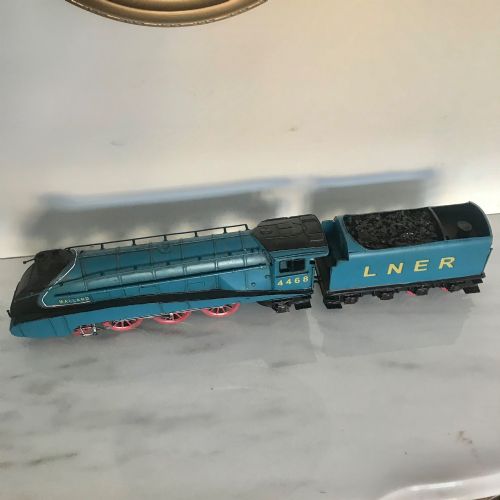


Vintage Model Steam Engine
These vintage model steam engine examples turn coal heat and water pressure into mechanical motion, capturing the mechanical energy of past decades.
Vintage Model Steam Engine
When you search for a vintage model steam engine, you enter a world of miniature boilers, pistons, and working locomotion dating from the late nineteenth century through the interwar years. These machines range from classroom demonstration apparatus and stationary vertical setups to gauge locomotives like the LNER Class A4 Mallard and scratch-built traction engines.
The pieces appearing on this page span several decades, featuring items from the 1880s through the 1930s. Station platforms, laboratory benches, and engineer workshops all find representation in forms such as horizontal beam engines and spirit-fired locomotives.
How they were made
Makers utilised heavy structural metals like cast iron and steel for boilers and chassis, combining them with bright brass and copper for pipes, cylinders, and fittings. Painted metal and wood bases provided stability and finish to the assemblies.
Vintage Model Steam Engine Retail Price Guide 2026
Typical asking prices for vintage model steam engine among the pieces listed under this phrase on Sellingantiques today, from the lower quarter to the upper quarter. They describe what is for sale here now, not the wider market.
The periods represented span from the late nineteenth century through the interwar industrial era.
What varies in quality
The hierarchy among these machines rests on the precision of machining and the fidelity of the mechanical engineering. Finely turned valves, neatly joined copper pipework, and smoothly operating pistons distinguish superior examples from simpler setups.
Provenance and maker attribution also shift value, with signed educational pieces by known makers like Max Kohl or retailers such as Merkelbach and Co standing apart from unsigned workshop experiments.
Merkelbach and Co Amsterdam·Max Kohl Germany
The Vintage Model Steam Engine Glossary
- Spirit fired
- A method of heating the boiler using a small burner fuelled by methylated spirits or alcohol. This system allows the miniature engine to generate working steam pressure.
- Scratch built
- A model constructed entirely by the maker from raw stock materials rather than assembled from a commercial kit. These pieces reflect individual skill and interpretation.
- Beam engine
- A stationary steam engine design where a pivoted overhead rocking beam connects the piston rod to the crank. This configuration dominated early industrial pumping and power generation.
- Stationary engine
- A non-mobile power unit designed to drive workshop machinery or demonstrate thermodynamic principles. They occupy fixed positions rather than moving on rails.
Vintage Model Steam Engine: Frequently Asked Questions
Are these model engines safe to run?
Operating a vintage model steam engine requires careful inspection of the boiler walls, seals, and safety valves before introducing heat and water. Many collectors choose to display them as static sculptures rather than risking pressure testing on antique vessels.
If you do intend to fire up a working spirit-fired model, consult a specialist in historic steam engineering to verify the integrity of the copper and brass components.
How do I distinguish educational models from toys?
Educational pieces often carry maker plaques, such as those by Max Kohl or Merkelbach and Co, and feature transparent elements or projection mirrors designed for classroom visibility. Toys generally prioritise robust playability over technical precision.
Examine the complexity of the valve gear and cylinder construction to judge whether the maker intended the object for scientific demonstration or general amusement.
What maintenance do brass and copper parts need?
Brass and copper surfaces benefit from gentle dusting and occasional cleaning with appropriate metal polishes, though heavy intervention can remove desirable historic patination. Keeping the metal dry prevents corrosion and pitting.
Moving steel and iron parts require light machine oil to prevent rust and ensure that mechanical linkages remain free.
How are different decades of model engines identified?
Dating relies on stylistic clues, engineering patents, materials, and occasionally maker stamps or catalogue records. Victorian industrial models often feature ornate cast iron framing, while 1930s Streamline Moderne pieces show smoother, more aerodynamic housings.
Comparing construction methods against dated examples helps narrow the period of origin when no explicit year is stamped on the chassis.