



Vintage Mirror Decor
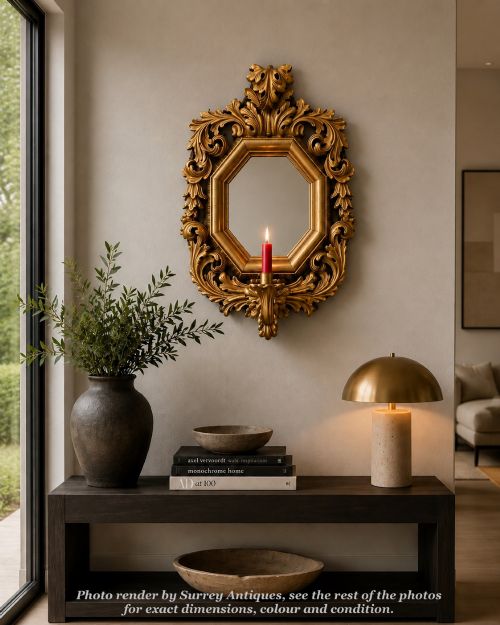
Vintage mirror decor brings character into a room through carved wood, gilded gesso and antique glass.
Vintage Mirror Decor
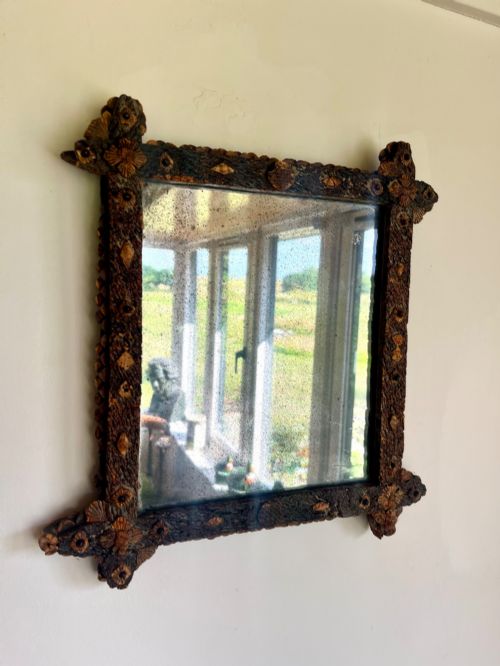
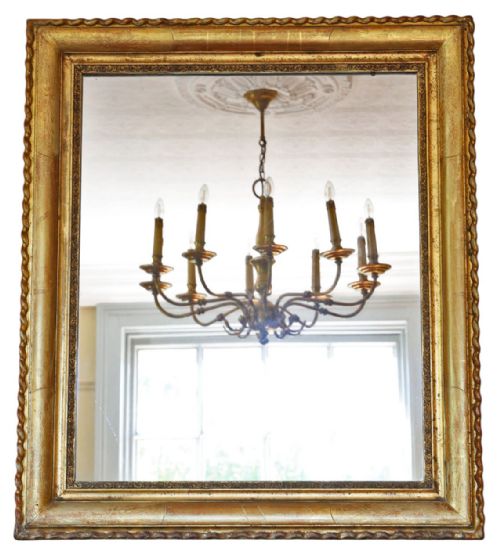
Vintage mirror decor encompasses functional looking-glasses and decorative panels gathered from the nineteenth and early twentieth centuries. These pieces range from grand giltwood overmantles and Venetian peach glass looking-glasses to folk art tramp art frames and carved Black Forest bird of prey mirrors.
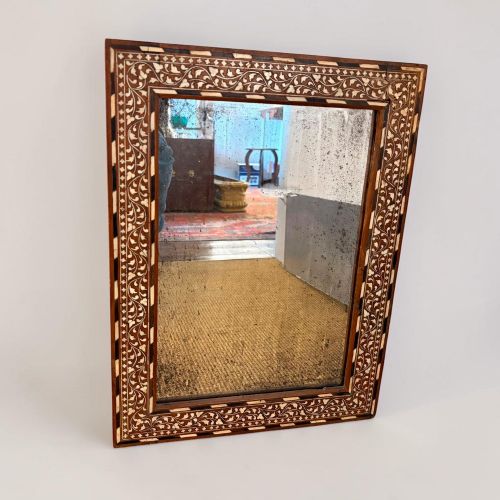
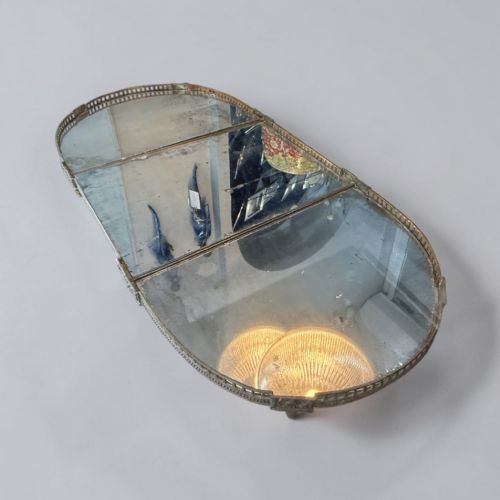
Buyers seeking vintage mirror decor most frequently encounter nineteenth-century wall mirrors, Edwardian chinoiserie frames, and Anglo-Indian wooden work from periods like the Victorian and Edwardian eras. Architectural salvage, fairground boards, and table centrepieces also appear amongst the selection.
The category bridges utilitarian objects and decorative arts, drawing on regional traditions from French gilding to Hoshiarpur brass inlay and English fairground painting. Each item retains the patina and construction methods of its specific decade of origin.
Materials and construction methods
Makers utilised wood, gesso, and gold leaf to build ornate frames, often carving intricate foliage, birds, or geometric patterns directly into the timber. Giltwood pieces rely on layered gesso applied over a wooden base before receiving fine gold leaf application.
Mirror glass of these periods was cut to fit specific frame geometries, including bevelled edges and tinted peach tones. Metal elements, such as brass wire inlay and silvered metal table centrepieces, were combined with organic materials like oak, cork, and pine.
Vintage Mirror Decor Retail Price Guide 2026
Typical asking prices for vintage mirror decor among the pieces listed under this phrase on Sellingantiques today, from the lower quarter to the upper quarter. They describe what is for sale here now, not the wider market.
An antique carousel mirror once spun round a fairground ride before finding a quiet life on a wall.
Variations in quality
Quality in vintage mirror decor rests upon the depth of the hand-carved detail in the wood and the finesse of the surface finish. Elaborate gesso moulding and crisp execution distinguish superior frames from simpler production pieces.
The integrity of the original materials, such as genuine gold leaf versus later metallic paint and authentic period mirror glass, dictates the enduring character of the piece. Regional craft traditions, evidenced in specialised inlay or folk art construction, elevate individual examples.
The Vintage Mirror Decor Glossary
- Giltwood
- Wood carved and coated with gold leaf or gold paint. This finish creates a reflective, ornate surface typical of formal nineteenth-century frames.
- Gesso
- A plaster-like mixture applied to wood frames to create a smooth surface for gilding and carving. It allows for intricate relief ornamentation.
- Girandole
- A decorative wall mirror featuring attached candle sconces. The candle arms reflect additional light back into the room.
- Overmantle
- A large mirror designed to hang directly above a fireplace mantelpiece. These pieces often feature wide horizontal proportions and ornate crests.
- Tramp art
- Folk art sculpture created by chipping, notching, and layering small pieces of scrap wood, often cigar boxes. The technique results in heavily textured, geometric frames.
Vintage Mirror Decor: Frequently Asked Questions
Are these mirrors newly made?
The listings comprise items originating from the nineteenth and early twentieth centuries. Materials show authentic ageing consistent with decades of use.
Periods span the Victorian era, the Edwardian period, and the 1920s and 1930s. Construction techniques reflect historical manufacturing methods rather than modern reproduction.
How should I clean antique glass?
Clean antique mirror glass gently with a soft microfiber cloth and mild, non-ammonia cleaner. Avoid spraying liquid directly onto the glass to prevent moisture seeping behind the silvering.
Take care around the edges where the original backing may be fragile. Gentle dusting preserves the historic surface.
What is Anglo-Indian mirror work?
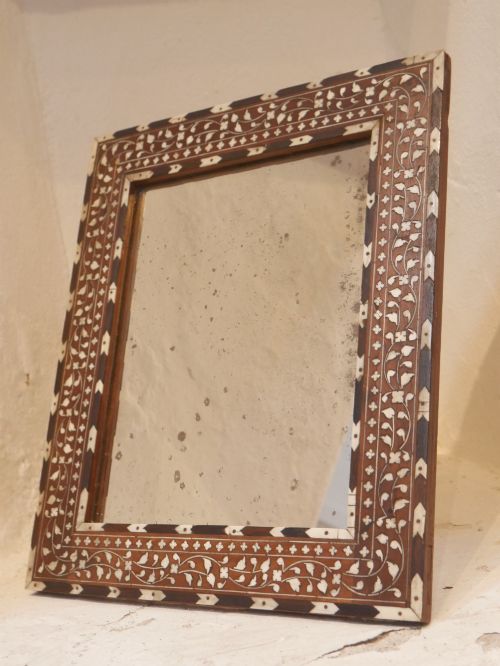
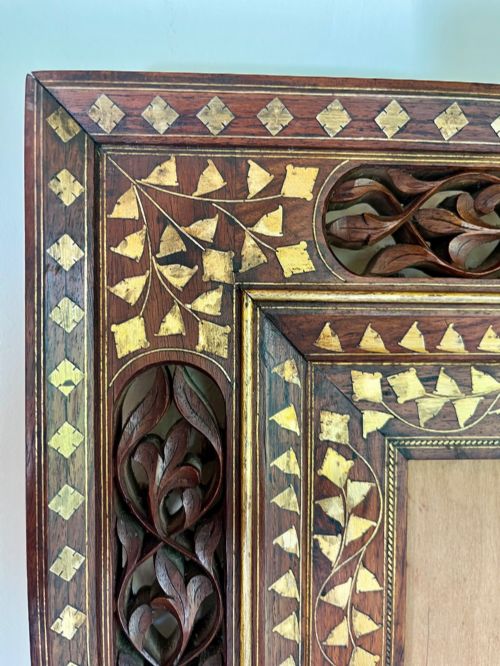
Anglo-Indian mirrors combine traditional Indian woodworking techniques with British aesthetic forms from the nineteenth century. These pieces frequently incorporate detailed botanical carvings and brass wire inlay.
Craftsmen in regions like Hoshiarpur produced distinctive geometric patterns on native hardwoods. This work creates a dense, textural frame style.