




Vintage Miniature Furniture
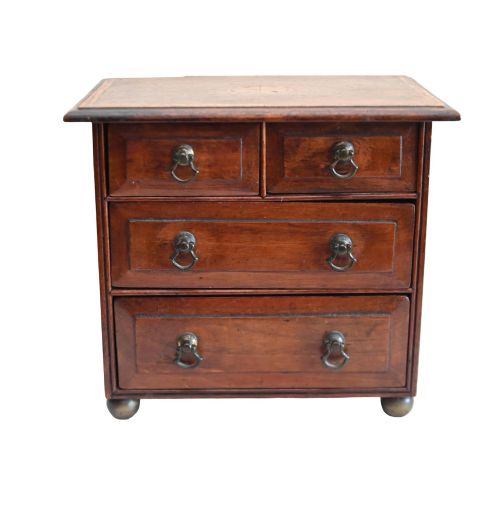
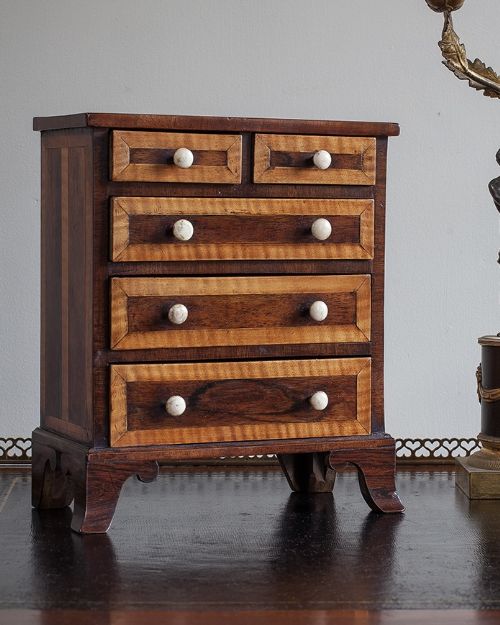
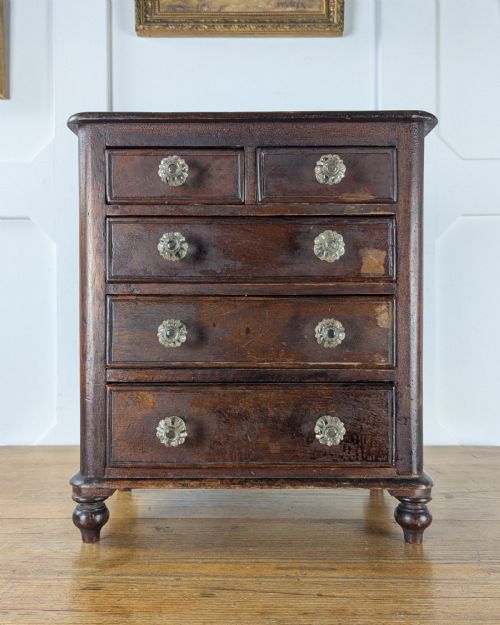
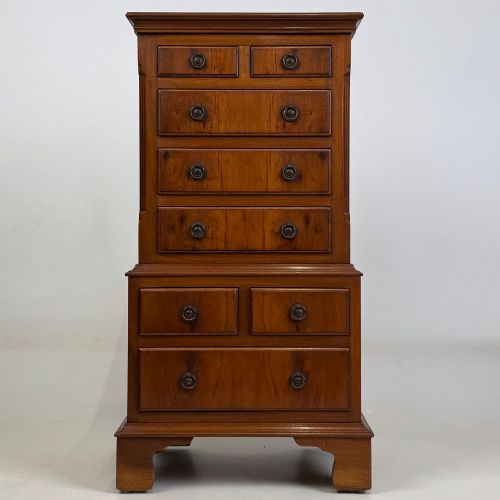
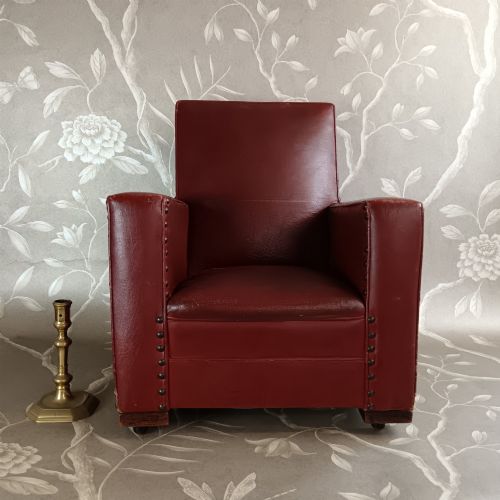
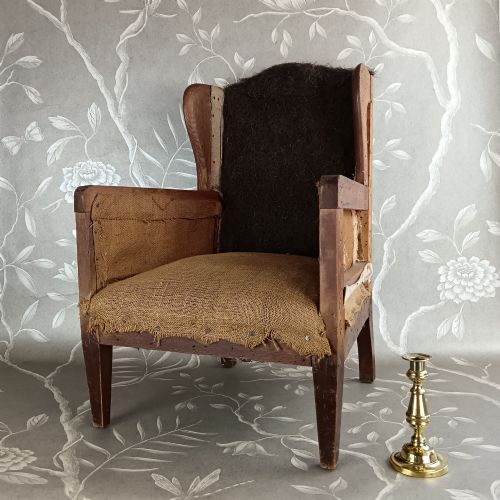
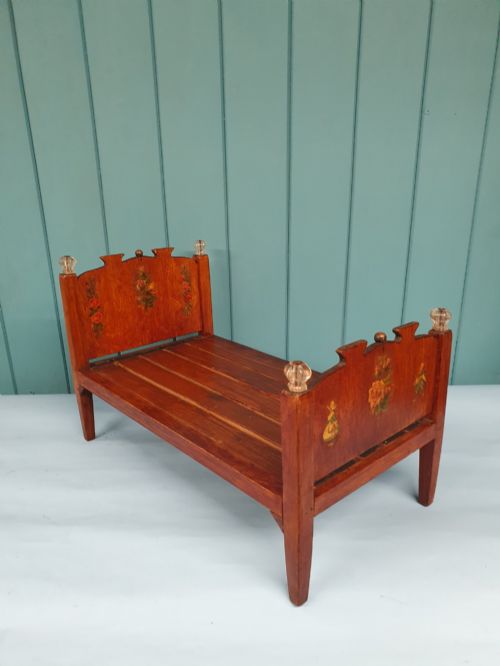
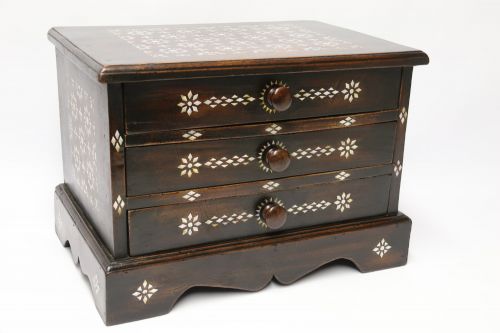
Vintage miniature furniture comprises scaled-down chests, chairs, and beds crafted to showcase skill or furnish dolls' houses.
Vintage Miniature Furniture
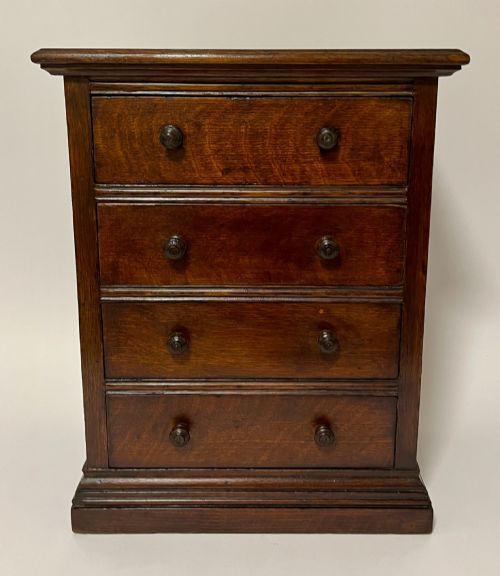
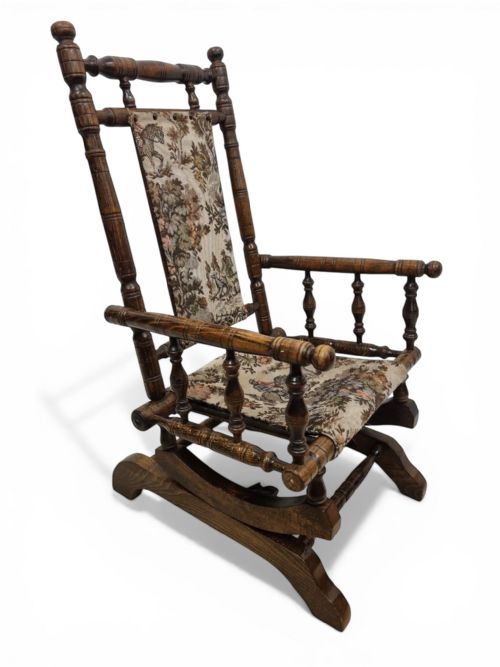
Vintage miniature furniture encompasses small-scale seating, storage, and beds originating from periods spanning the eighteenth century to the twentieth century. These pieces appear in forms such as miniature chests of drawers, rocking chairs, armchairs, and dolls' beds, reflecting full-scale domestic furnishings of their respective eras.
The selections encountered here frequently include Victorian and Edwardian examples alongside Georgian styles and pieces from the nineteen-twenties and nineteen-thirties. Objects range from apprentice pieces and salesman samples to children's furniture and dollhouse accessories.
Materials and construction methods
Maker construction relies heavily on traditional cabinet timbers such as mahogany, oak, walnut, yew wood, and fruitwood, often shaped into miniature chests and chairs. Joinery techniques mirror those found in full-sized furniture, utilising dovetailed drawers, turned feet, and carved details.
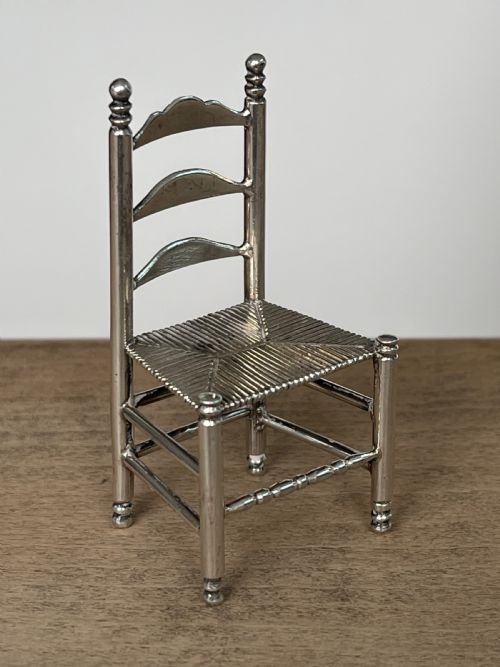
Upholstered items incorporate fabrics, tapestry, cane seats, and leather, while metalwork appears through silver and brass elements on novelty items and miniature seating. Inlaid hardwoods and satinbirch further distinguish select decorative pieces.
Vintage Miniature Furniture Retail Price Guide 2026
Typical asking prices for vintage miniature furniture among the pieces listed under this phrase on Sellingantiques today, from the lower quarter to the upper quarter. They describe what is for sale here now, not the wider market.
Listings feature items spanning the 18th, 19th, and 20th centuries, constructed from mahogany, oak, walnut, brass, and silver.
Distinctions in quality and execution
Quality rests upon the fidelity of proportion and the precision of miniature joinery, where skilled execution emulates full-scale cabinetry without losing structural harmony. The refinement of carved elements and the integrity of original timber surfaces separate standard workshop items from exceptional examples.
The preservation of original upholstery, cane work, and hardware significantly influences the standing of a piece. Finer items demonstrate deliberate attention to detail in miniature scale, whether through subtle wood grain selection or careful inlay work.
The Vintage Miniature Furniture Glossary
- Apprentice piece
- A small-scale item created by a woodworker in training to demonstrate mastery of joinery before achieving full guild status. These objects typically replicate standard domestic furniture in miniature.
- Windsor chair
- A wooden seating form featuring a solid saddle-sculpted seat into which legs and back spindles are raked. Miniature iterations reproduce this construction method faithfully.
- Bergere chair
- An enclosed armchair with a wooden frame and canework panels forming the seat and back. Examples in miniature display woven cane within tightly proportioned frames.
- Wellington chest
- A tall, slender chest of drawers secured by a locking side flap that clasps the drawer edges. Miniature versions retain this distinctive vertical locking mechanism.
Vintage Miniature Furniture: Frequently Asked Questions
What is vintage miniature furniture used for?
These small pieces served various purposes originally, functioning as apprentice masterpieces, salesman samples, child-sized seating, or elaborate furnishings for dolls' houses.
Today, collectors display them as cabinet pieces or integrate them into interior arrangements alongside full-scale antiques.
How do I date vintage miniature furniture?
Dating relies on examining the timber species, construction techniques, and stylistic markers characteristic of periods such as the Georgian, Victorian, or Edwardian eras.
Secondary woods, nail types, and upholstery methods also provide reliable indicators of a piece's age.
How should I care for wooden miniatures?
Wooden miniatures require stable environmental conditions away from direct sunlight and excessive humidity to prevent timber splitting or veneer lifting.
Gentle dusting with a dry, soft cloth maintains the finish without introducing moisture that could harm delicate joints or upholstery.