




Vintage Millinery Head
These vintage millinery head displays bring workshop heritage straight to modern interiors.
Vintage Millinery Head
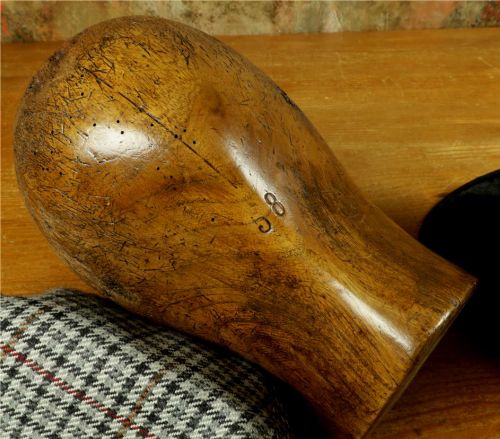
When you search for a vintage millinery head, you encounter sculptural workshop tools and shop displays designed to shape, size, and showcase hats. The pieces on this page span from the mid-nineteenth century through the Art Deco period, capturing decades of haberdashery history.
You are most likely to meet wooden hat blocks, carved wooden forms, and painted plaster or fabric shop mannequins from French and English workshops. These objects served functional purposes in hatters' studios and high street shops before finding new life in domestic interiors.
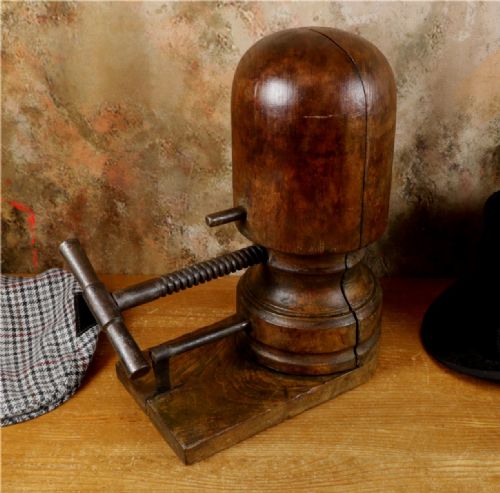
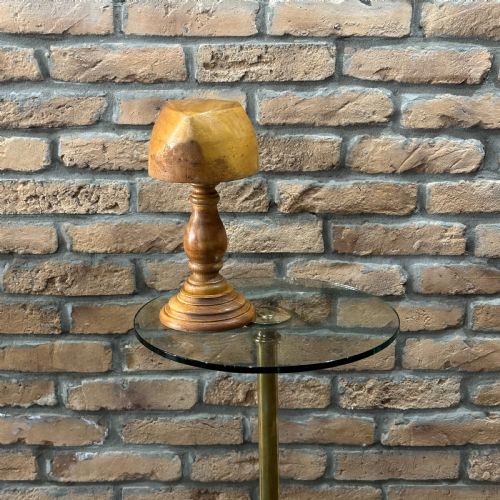
Forms range from simple carved wooden hat stretchers and adjustable sizers to elegant Art Deco advertising busts created for counter top displays. Each piece reflects the specific commercial or artisanal demands of its era, from traditional Victorian craftsmanship to 1930s retail modernism.
Construction and materials
Carvers shaped these pieces primarily from dense timbers including beech, fruitwood, oak, and walnut, utilising solid blocks to withstand the pressure of hat making. Craftsmen carved intricate details by hand, leaving tool marks that reveal the traditional methods of nineteenth-century and early twentieth-century woodworking shops.
Makers also utilised plaster and cast iron, often finishing surfaces with paint, fabric coverings, or polished wax to create tactile shop display models. Painted plaster and fabric combinations defined many of the French Art Deco counter top advertising mannequins found in this selection.
Vintage Millinery Head Retail Price Guide 2026
Typical asking prices for vintage millinery head among the pieces listed under this phrase on Sellingantiques today, from the lower quarter to the upper quarter. They describe what is for sale here now, not the wider market.
Listed items originate across distinct eras, including the mid-nineteenth century, Victorian period, and 1930s Art Deco.
Judging quality and character
Quality in these workshop pieces rests upon the precision of the carving, the integrity of the timber, and the preservation of original surface finishes. A strong piece displays balanced sculptural proportions and honest patination gained through decades of actual use in hatters' studios.
The Vintage Millinery Head Glossary
- Hat block
- A solid wooden form used by milliners to shape and dry hats during manufacture. These blocks often feature pegged sections or removable parts.
- Hat stretcher
- A mechanical wooden tool utilised by hatters to increase the circumference of a hat. They feature threaded wooden screws and expanding segments.
- Haberdashery
- Items connected to the trade of selling hats, ribbons, and sewing materials. This category includes the display stands and counter top busts used in shops.
- Mannequin bust
- A three-dimensional representation of the head and shoulders utilised for displaying millinery. These range from folk art carvings to sophisticated advertising figures.
- Art Deco
- A design style popular during the 1920s and 1930s characterised by sleek geometric forms and streamlined styling. Shop displays from this era embraced modern commercial aesthetics.
Vintage Millinery Head: Frequently Asked Questions
What is a millinery head?
A millinery head is a sculpted form used by hat makers and shopkeepers to shape, store, and display hats.
These pieces were essential tools in traditional hatters' workshops and retail displays before becoming decorative collector items.
How do I date a wooden hat block?
Dating relies on examining the timber species, tool marks left by the maker, and structural construction techniques.
Earlier nineteenth-century pieces often display hand-carved folk art characteristics, while 1920s and 1930s items reflect machine shaping and Art Deco styling.
Were these heads used in shops?
Many of these pieces served as counter top advertising mannequins in drapery and hat shops.
French and English retailers utilised them to showcase the latest millinery designs to passing customers.
How should I display a hat form at home?
These sculptural objects look striking placed on bookshelves, sideboards, or dressing tables as standalone decorative art.
They also function practically for displaying vintage hats, scarves, or headphones without stretching the materials.