





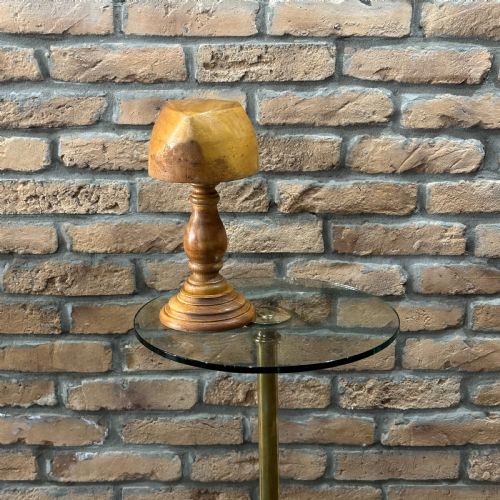
Vintage Milliner Form
These vintage milliner form pieces are functional workshop tools shaped to craft and display hats, offering striking industrial character for contemporary interiors.
Vintage Milliner Form
A vintage milliner form encompasses wooden and metal blocks, moulds, and stretchers utilised in the historic creation and sizing of headwear. When you search for a vintage milliner form, you encounter specialist workshop equipment originating from the nineteenth century up through the nineteen-twenties.
The pieces on this page span several distinct forms, including carved folk art heads, hat stretchers, and sectional aluminium moulds. French fruitwood examples and traditional oak and walnut specimens sit alongside industrial aluminium versions designed for military bearskin caps and civilian millinery.
How they were made
Makers utilised solid hardwoods such as oak, walnut, beech, and fruitwood, shaping them through traditional carpentry and hand-carving techniques. Folk art heads display direct chisel work, while hat stretchers and solid blocks reveal turned and joined wooden construction.
Industrial examples incorporate cast aluminium and cast iron, often utilising multi-part metal moulds built for repetition and durability. Iron and aluminium components are frequently paired with wooden structural elements to create functional workshop apparatus.
Vintage Milliner Form Retail Price Guide 2026
Typical asking prices for vintage milliner form among the pieces listed under this phrase on Sellingantiques today, from the lower quarter to the upper quarter. They describe what is for sale here now, not the wider market.
Listings feature items from the 19th Century, 1900, 1910, and the 1920s, constructed from aluminium, oak, walnut, beech, fruitwood, and iron.
What varies in quality
Engineering complexity also separates standard forms from specialised items, such as multi-part aluminium moulds or mechanical hat stretchers with working wooden mechanisms. The preservation of original surface patination and maker markings directly influences the visual weight of the piece.
The Vintage Milliner Form Glossary
- Hat block
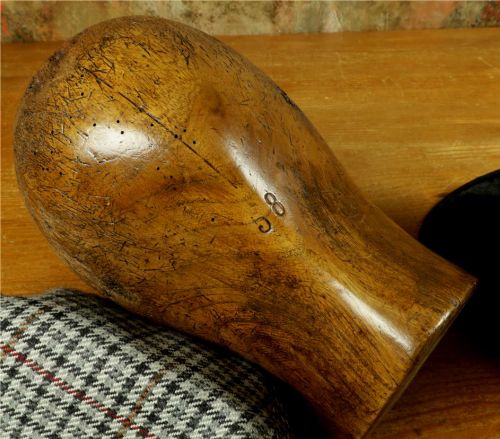
- A solid wooden form carved to the exact shape required for constructing and shaping a hat. These wooden blocks show direct evidence of pins and daily workshop use.
- Milliner's hat stretcher
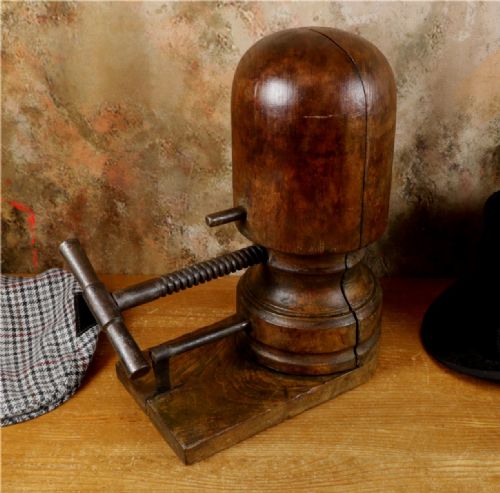
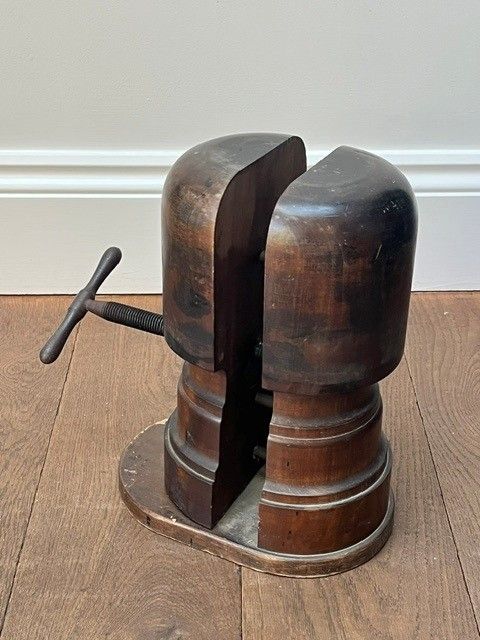
- A mechanical tool inserted into a hat to adjust or expand the circumference. These devices typically feature wooden segments operated by a central screw mechanism.
- Folk art head
- A carved wooden representation of the human head utilised for displaying millinery. These hand-carved pieces often display charming vernacular details and individual character.
- Millinery mould
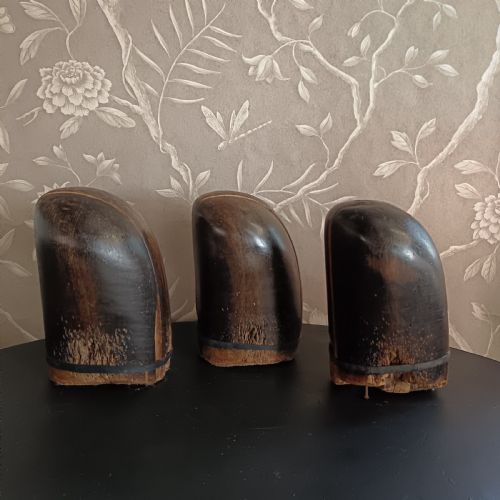
- A hollow metal form, commonly cast in aluminium, used under pressure or heat in the production of hats. These industrial objects provide a sleek metallic contrast to traditional wooden blocks.
Vintage Milliner Form: Frequently Asked Questions
What is a vintage milliner form used for?
These items were originally utilised by hatters and milliners to shape, size, and display headwear during the manufacturing process. Workshops relied on these specialised wooden blocks and metal moulds to form felt, straw, and fabric into precise hat designs.
Today, collectors and interior designers employ these pieces as sculptural display objects in homes, retail spaces, and studios. They serve as striking stands for contemporary hats, wigs, and decorative accessories.
How do I date a vintage milliner form?
Dating relies on identifying the primary materials, manufacturing techniques, and stylistic traits evident in the object. Nineteenth-century examples typically feature hand-carved fruitwoods or heavy turned oak and walnut, often showing deep patination from decades of workshop handling.
Later pieces from the nineteen-twenties frequently incorporate cast aluminium and industrial metal components. Folk art pieces display distinct hand-tool marks that separate them from mass-produced twentieth-century equipment.
Are wooden and aluminium hat blocks authentic?
The authentic pieces on this page derive from genuine nineteenth- and early twentieth-century workshop environments. Their surfaces bear the authentic marks, pinholes, and paint traces accumulated through active use in traditional millinery trades.
Materials range from solid beech, oak, and walnut to cast aluminium and iron. Each piece reflects the industrial or artisanal manufacturing standards of its specific period.
How do I display a milliner form at home?
These sculptural forms require minimal setup and work effectively placed on mantels, bookshelves, or dedicated display stands. Their compact footprints allow them to fit comfortably into various interior settings, from industrial modern lofts to traditional rooms.
Pairing wooden blocks with metal moulds creates an engaging textural contrast. Many collectors use them simply as standalone sculptures without placing any items upon them.