





Vintage Military Hat
These vintage military hat examples span periods from the eighteenth century to the mid-twentieth century, offering collectors tangible fragments of uniform history.
Vintage Military Hat
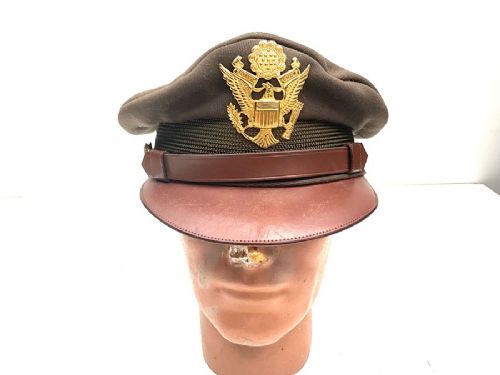
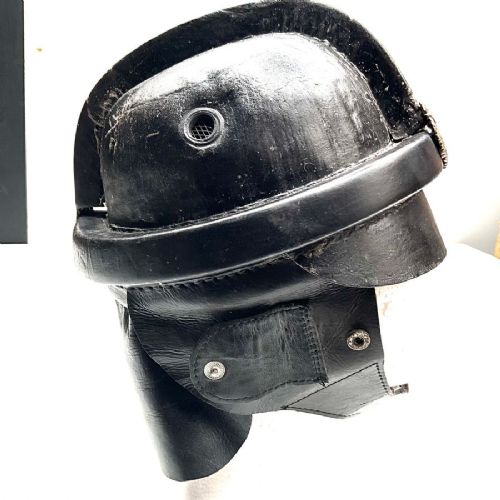
When you search for a vintage military hat, you encounter a diverse selection of headwear, rigid carrying cases, and trade signs spanning multiple eras. The pieces on this page range from nineteenth-century helmets and mid-century crusher caps to protective painted tin storage containers.
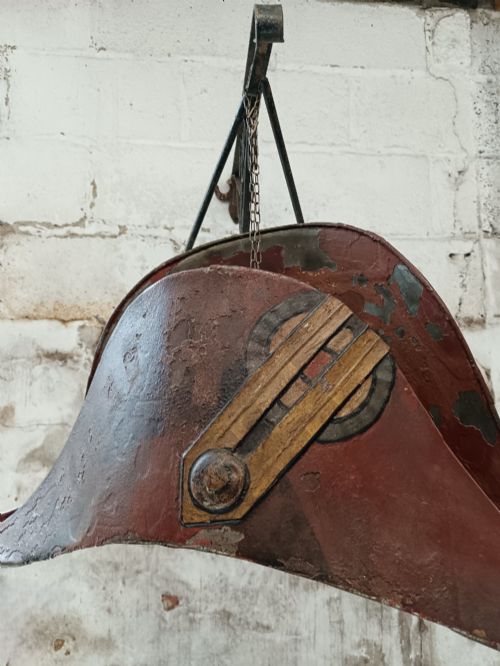
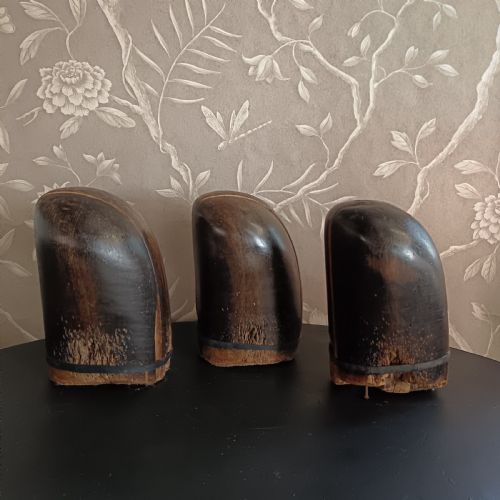
Accessories and related artefacts also surface within this category, including milliners hat blocks intended for bearskin caps and trade signs shaped like bicorn hats. Each object reflects the utilitarian and ceremonial requirements of armed forces from distinct historical campaigns.
How they were made
Materials such as brass, leather, and painted tin dominate the construction of these items, providing the necessary durability for military deployment and storage. Artisans utilised metalwork, leather tooling, and painted tinplate to form rigid helmets and protective cylindrical cases.
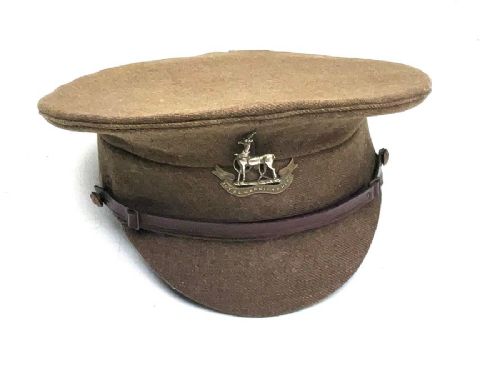
Wool and textile elements appear in soft caps and uniform headwear, relying on traditional tailoring methods of the nineteenth and twentieth centuries. Decorative finishes and protective coatings, including faux tortoiseshell effects, added a refined exterior to utilitarian transport boxes.
Vintage Military Hat Retail Price Guide 2026
Typical asking prices for vintage military hat among the pieces listed under this phrase on Sellingantiques today, from the lower quarter to the upper quarter. They describe what is for sale here now, not the wider market.
Listings feature periods ranging from the eighteenth century through the mid-twentieth century, encompassing both uniform headwear and protective transport boxes.
What varies in quality
The degree of preservation in original painted finishes and structural leather integrity largely defines the upper tier of these pieces. Items retaining their inner linings, original brass insignia, and unblemished toleware surfaces demonstrate superior survival through active service.
Construction complexity also separates standard issue gear from bespoke officer items, such as multi-compartment leather hat cases or specialised Hawkes and Co boxes. Finely turned wooden hat blocks and detailed trade signs show distinct levels of craftsmanship compared to mass-produced barracks equipment.
The Vintage Military Hat Glossary
- Toleware
- Painted or enamelled tinware, frequently used in the nineteenth century to construct rigid, weatherproof storage boxes for headwear. These containers often featured dark exterior finishes to withstand field conditions.
- Kepi
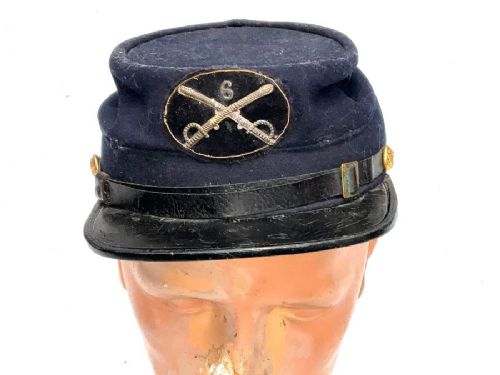
- A cap with a flat circular top and a visor, widely associated with nineteenth-century infantry uniforms such as those from the American Civil War era. Wool and leather formed the primary components of this specific military cap.
- Bicorn
- A historical two-cornered hat worn extensively by military officers and officials during the eighteenth and nineteenth centuries. Trade signs shaped in this silhouette advertised hatters and military outfitters.
- Crusher hat
- A flexible service cap utilised by air force personnel during the mid-twentieth century, designed to be worn comfortably underneath rigid headsets. The soft brim and collapsible crown characterise this specific vintage military hat style.
- Hat block
- A carved wooden form utilised by milliners to shape and maintain the dimensions of specialised military headwear like bearskin caps. These solid wooden blocks reflect the precise measurements required for ceremonial uniforms.
Vintage Military Hat: Frequently Asked Questions
How do I store a vintage military hat?
Keep soft wool caps and fabric headwear away from direct sunlight and sustained moisture to protect the textile fibres from degradation.
Utilise rigid containers like period leather or toleware hat boxes to maintain the structural form of stiffened caps and helmets.
What materials were used for military hat boxes?
Constructed primarily from sturdy metals and leather, these protective transport cases utilised brass hardware for secure closure.
Painted tin and specialised finishes like faux tortoiseshell provided a durable, water-resistant exterior for officers on the move.
How do I date an Imperial German helmet?
Examine the specific metal components, brass fittings, and structural configuration to align the piece with documented nineteenth-century military manufacturing standards.
Compare the helmet shape and materials against verified pieces from the 1860s and surrounding periods.
What is a milliners hat block?
Milliners employed these solid carved wooden forms to shape and dry specialised headwear, including tall bearskin caps, during the manufacturing process.
These heavy wooden blocks ensure the correct proportions and tension are maintained while the felt or fur settles into its final profile.