






Vintage Metamorphic Furniture
Vintage metamorphic furniture transforms before your eyes, offering ingenious dual-purpose designs crafted to save space in period homes.
Vintage Metamorphic Furniture
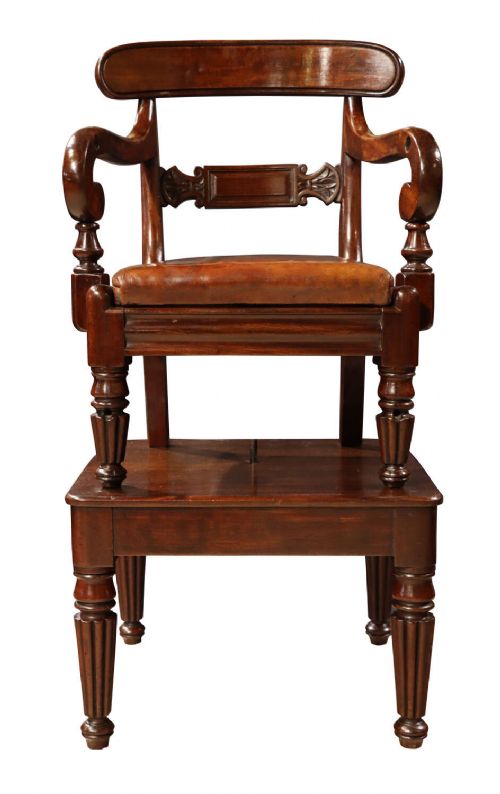
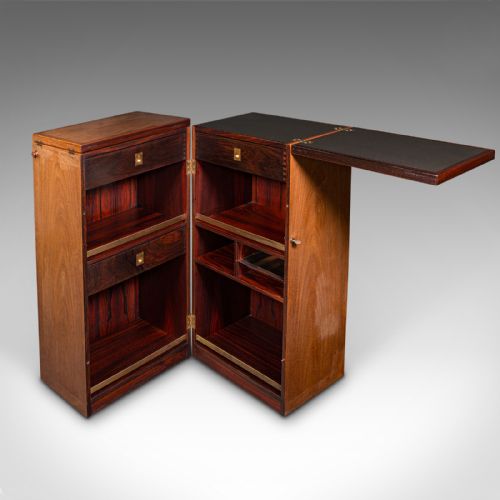
Vintage metamorphic furniture comprises dual-purpose pieces designed to shift form, most commonly seen in transforming libraries steps, child high chairs, and writing desks. These clever items serve multiple practical functions within a single footprint, appealing directly to those who value utility alongside historical character.
The selections span from the William IV and Victorian eras through to the mid-century period, encompassing both British craftsmanship and Danish design. A buyer on this page is most likely to encounter practical household items such as occasional tables, cocktail cabinets, and convertible seating.
Makers utilised various mechanical linkages and hinges to allow seamless transitions between configurations, such as library steps turning into chairs. This ingenuity reflects domestic needs across different centuries, from grand Georgian rooms to Edwardian parlours.
How vintage metamorphic furniture was made
Makers constructed these pieces using dense hardwoods such as mahogany, oak, and walnut, frequently incorporating brass fittings for pivots and locking mechanisms. Leather and cane appear as secondary materials for seating and writing surfaces, matched to the structural timber of each piece.
Cabinet makers and patent holders engineered concealed hinges and folding sections that operated smoothly without compromising stability in either form. The joinery required high precision to ensure the moving parts withstood repeated daily transformation over generations.
Vintage Metamorphic Furniture Retail Price Guide 2026
Typical asking prices for vintage metamorphic furniture among the pieces listed under this phrase on Sellingantiques today, from the lower quarter to the upper quarter. They describe what is for sale here now, not the wider market.
Listings feature items spanning the Georgian, Victorian, Edwardian, and mid-century periods, constructed in mahogany, oak, walnut, and rosewood.
What varies in quality
The standard of a piece rests heavily on the ingenuity and smoothness of its transforming mechanism, where tight tolerances separate superior engineering from loose or binding joints. Pieces that shift forms with minimal effort and secure firmly in place demonstrate better original execution.
Selection of timber grain and the neatness of concealed hardware further distinguish finer examples from standard workshop production. The preservation of original mechanical parts without modern replacement fixes retains the integrity of the design.
J.C Vickery of London·Reno Wahl Iversen·Dyrlund
The Vintage Metamorphic Furniture Glossary
- Metamorphic furniture
- Pieces designed to transform from one object into another, such as a chair that unfolds into library steps.
- Canterbury
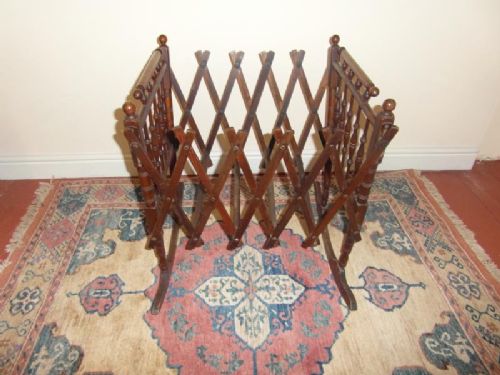
- A low stand featuring slatted partitions, originally used for holding sheet music or magazines.
- Buffet
- A sideboard or low storage unit used for serving food or displaying items.
- Patent
- An official right granted to an inventor, often stamped into the brass hardware of clever transforming furniture.
Vintage Metamorphic Furniture: Frequently Asked Questions
How do metamorphic library steps work?
Library steps in this category typically pivot or unfold from the upright back of a sturdy armchair. Users simply lift and rotate the upper section to transform the seat into a stable flight of steps.
This clever dual-purpose design allowed homeowners to reach high bookshelves in compact rooms without needing a separate standalone ladder.
Are these pieces suitable for daily use?
Many items are robust enough for daily use, provided the mechanical joints are operated with care and regular attention. Solid hardwoods and brass fittings provide the structural strength needed for regular transformation.
However, delicate antique mechanisms benefit from gentle handling rather than heavy-handed force to preserve their historical integrity.
How do I identify the period?
Period identification relies on observing the primary timber, construction methods, and the style of the turned legs or carved details. Victorian and Georgian pieces display traditional hand-cut joinery and dense mahogany or oak, while mid-century designs show clean lines and Scandinavian influences.
Patent stamps and maker signatures also provide precise dates and origins.
What spaces suit these items best?
These transforming designs fit particularly well in compact rooms, studies, or living areas where floor space is at a premium. A single transforming desk or cocktail cabinet serves two distinct functions without cluttering the room.
Placing them away from direct heat sources helps protect the moving wooden components and original finishes.