





Vintage Metal Helmet
A vintage metal helmet often takes the form of a helmet-shaped coal scuttle or a military headpiece, bringing historic utility and character to a room.
Vintage Metal Helmet
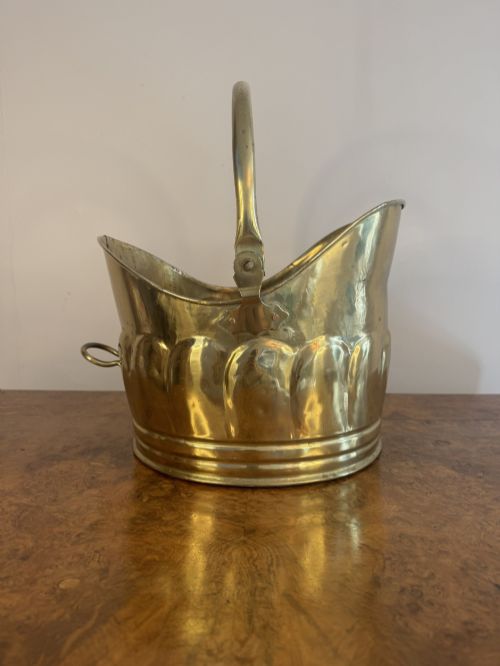
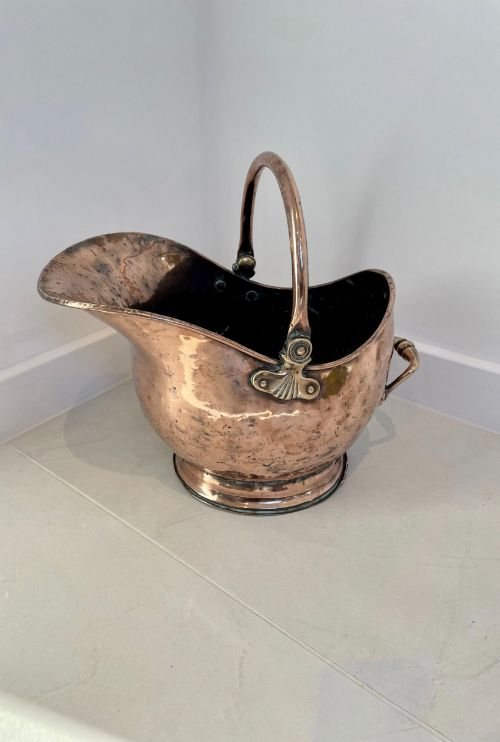
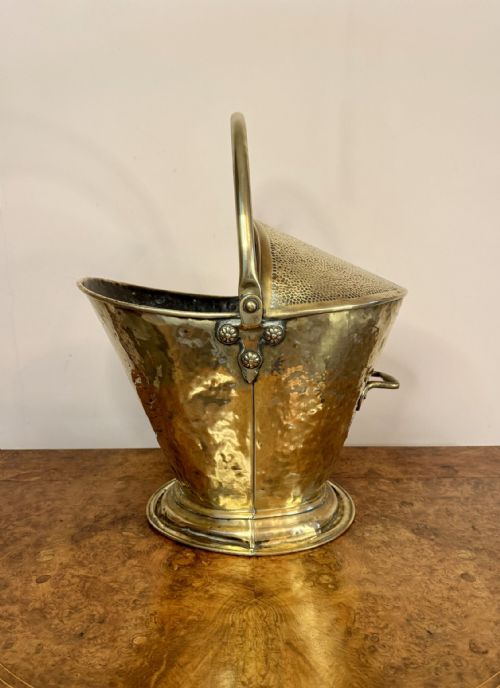
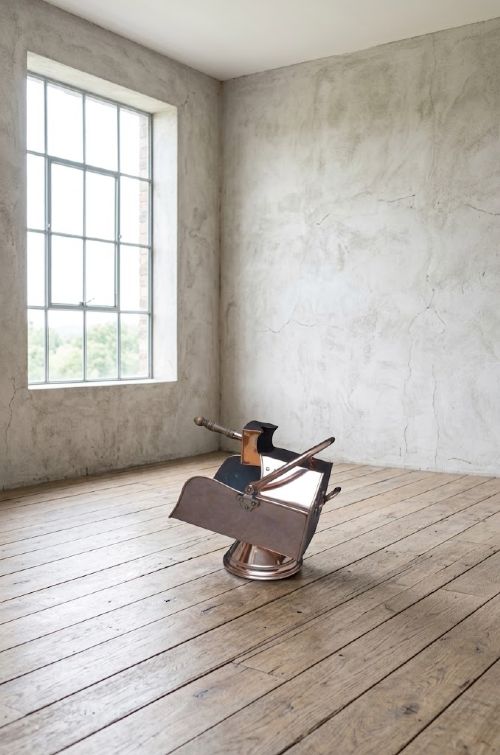
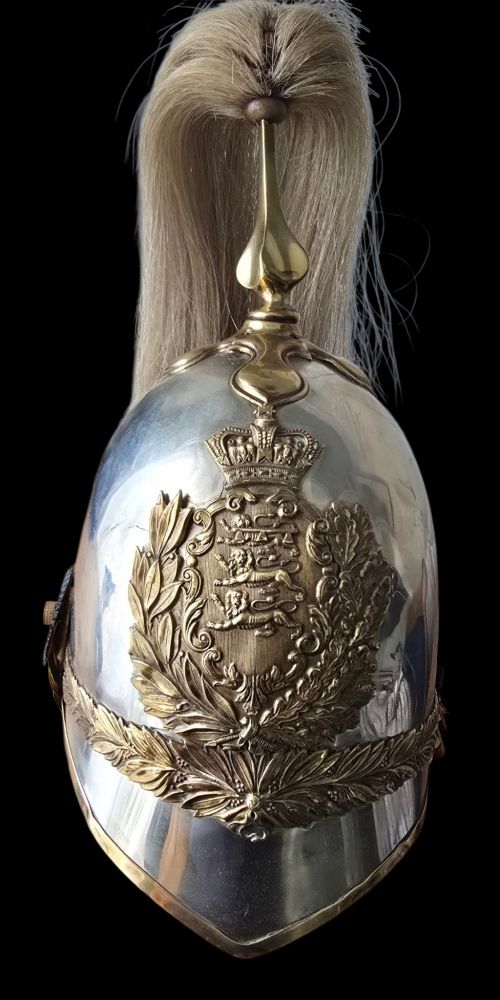
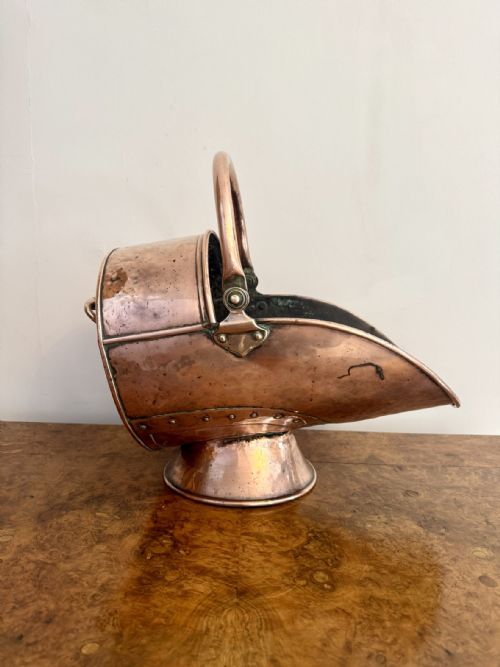
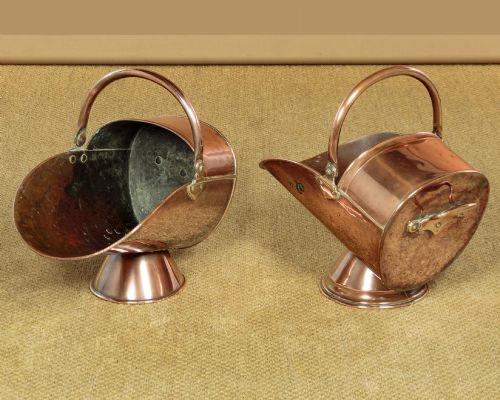
A vintage metal helmet predominantly appears as a fireside coal scuttle or bucket styled to resemble historical headwear, alongside genuine military helmets and toleware hat boxes. The most common iteration met on this page is the helmet-shaped coal scuttle, fashioned in copper or brass during the Victorian and George III periods.
These items bridge practical domestic storage and decorative metalwork, encompassing objects such as coal scuttles, fireside baskets, log bins, and military dress helmets. Makers also produced toleware tin military hat boxes and umbrella stands in corresponding forms.
Originating largely from English and Scottish workshops, the selections span the late eighteenth century through to the early twentieth century. Buyers encounter stylistic influences ranging from Arts and Crafts hammer-beaten finishes to elaborate Victorian military regalia.
How they were made
Construction relies heavily on sheet metals such as copper, brass, and tin, often worked by hand into sweeping helmet profiles with soldered or riveted seams. Wood and wrought iron frequently provide internal structure or handles, while leather and paint contribute to military headwear and toleware surfaces.
Many fireside pieces demonstrate hammer-beaten copper techniques where craftsmen shaped the metal by hand, creating subtle surface textures. Military items integrate white metal, gilt, horsehair plumes, and brass fittings to achieve authentic regimental presentation.
Vintage Metal Helmet Retail Price Guide 2026
Typical asking prices for vintage metal helmet among the pieces listed under this phrase on Sellingantiques today, from the lower quarter to the upper quarter. They describe what is for sale here now, not the wider market.
The listings span from the late eighteenth century through to the First World War, featuring copper, brass, tin, and leather.
What varies in quality
The standard of metalwork and gauge thickness distinguishes finer examples, where substantial weight and careful shaping indicate superior craftsmanship. Heavier copper and brass resist denting and maintain structural integrity across decades of hearth use.
Attention to detail in handle attachments, decorative fittings, and original components such as matching shovels elevates certain pieces. Finer military and decorative items exhibit precise finishing, whether through neat hand-beating or preserved surface treatments like faux tortoiseshell.
Henry Loveridge·Hawkes and Co
The Vintage Metal Helmet Glossary
- Coal scuttle
- A container designed to hold fuel for a domestic fire. These often took on whimsical helmet shapes during the Victorian era.
- Toleware
- Lacquered or enamelled sheet metal items produced in tin or iron. This technique frequently coated military hat boxes and domestic containers.
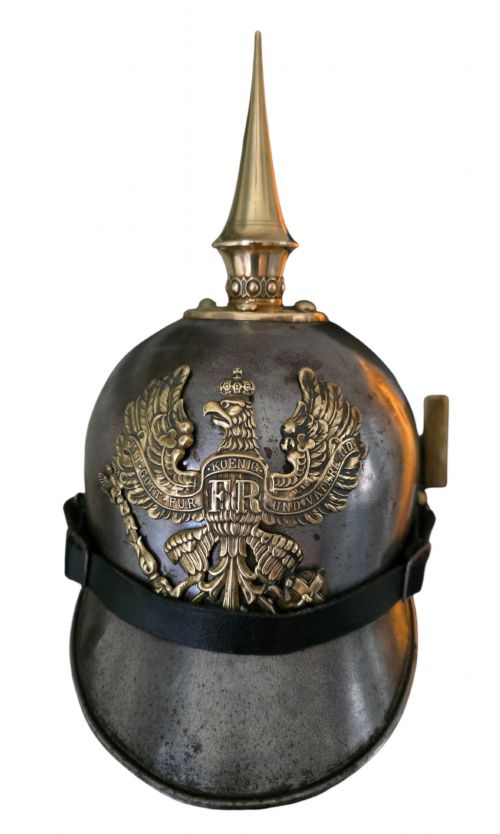
- Pickelhaube
- A spiked German military helmet worn in the nineteenth and twentieth centuries. Examples in steel incorporate distinct metal fittings.
Vintage Metal Helmet: Frequently Asked Questions
What is a helmet coal scuttle?
A helmet coal scuttle is a fireside metal container shaped to mimic historical military headwear. It combines a flared brim and high back for practical coal storage.
Craftsmen produced these primarily in copper and brass during the Victorian and Georgian periods to serve hearths while adding decorative interest.
How do you clean antique copper?
Antique copper benefits from gentle dusting and preservation of its natural patina rather than harsh polishing. Removing surface grime maintains the historical character.
Aggressive cleaning can strip away centuries of oxidation that collectors value on nineteenth-century metalwork.
Were these helmets used in combat?
Only specific items like military pickelhaubes and cavalry helmets served operational or dress purposes in the armed forces. Other metal helmets were purely domestic fireside accessories.
Distinguishing between military regalia and hearth equipment depends on internal linings, materials, and specific structural fittings.
How are toleware hat boxes used today?
Toleware hat boxes function as decorative storage containers for household items or as standalone decorative accents. Their painted tin surfaces provide robust organisation.
Originally designed to transport military hats, these boxes now add historical texture to modern interiors.