




Vintage Metal Frame Mirror
These vintage metal frame mirror pieces combine sturdy structural metal with reflective glass, bringing both practical function and period character to a room.
Vintage Metal Frame Mirror
A vintage metal frame mirror brings together industrial or decorative metalwork with functional glass, creating a durable focal point for an interior wall. When searching for a vintage metal frame mirror, buyers encounter a diverse range of pieces spanning from the nineteenth century through the Art Deco era.
The selections on this page draw heavily from distinct aesthetic movements, most notably Arts and Crafts creations alongside Victorian and Edwardian examples. Wall mirrors dominate the offerings, frequently accompanied by occasional items such as console tables and side tables that incorporate reflective surfaces.
Materials and construction methods
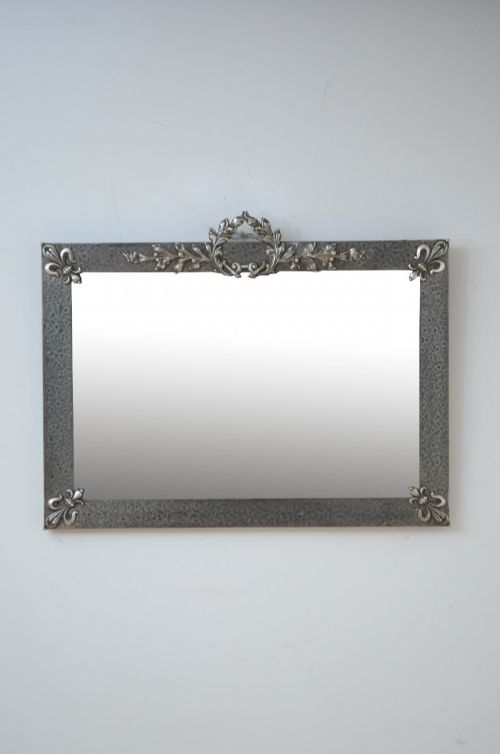
Makers utilised a variety of metals including brass, copper, cast iron, and gilt metal to build robust frames that could support heavy glass plates. Bevelled glass and standard mirror glass were inset into these metallic structures, sometimes secured with hand-embossed borders or decorative crests.
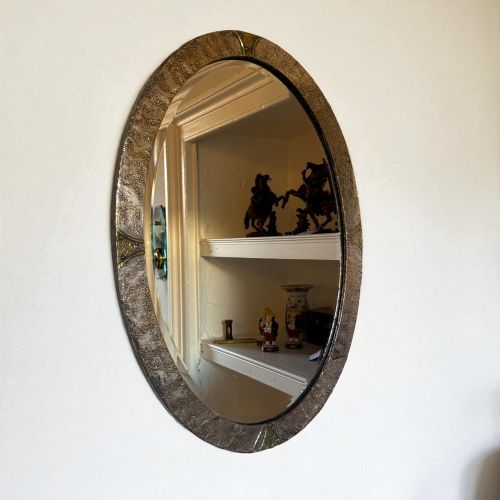
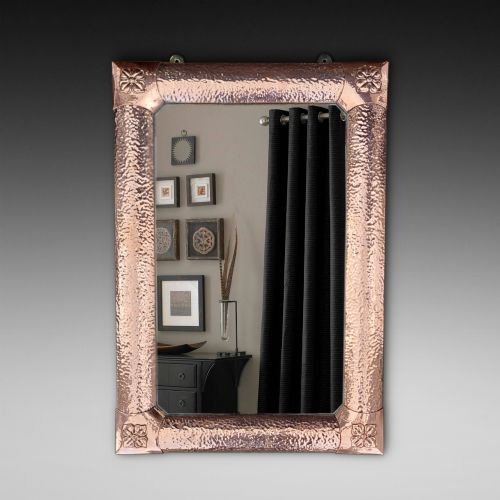
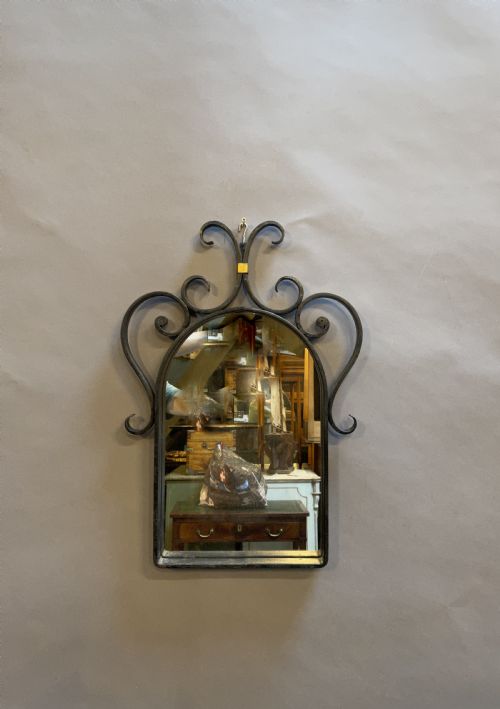
The Arts and Crafts pieces show distinctive hand-beaten and hammered surfaces, occasionally incorporating cabochon ceramic inserts for added colour. Victorian and later cast iron or brass frames relied on detailed moulding techniques to produce ornate masks, scrolls, and structural motifs.
Vintage Metal Frame Mirror Retail Price Guide 2026
Typical asking prices for vintage metal frame mirror among the pieces listed under this phrase on Sellingantiques today, from the lower quarter to the upper quarter. They describe what is for sale here now, not the wider market.
Listings feature periods spanning from the nineteenth century through the 1930s, using materials such as cast iron, brass, copper, and gilt metal.
Distinguishing quality in metal mirrors
Quality reveals itself in the crispness of the casting and the depth of the metalwork, particularly in hand-hammered copper or intricately moulded brass. Finer examples display careful finishing at the joints and corners, whereas simpler items show more utilitarian construction.
The condition of the reflective glass plate and the integrity of the original metal patination heavily influence the character of the piece. Superior items retain their original bevelled glass and securely fastened frames without excessive modern intervention.
The Vintage Metal Frame Mirror Glossary
- Arts & Crafts
- A design movement valuing hand-craftsmanship and natural materials over mass production. Many mirrors from this period feature beaten copper or brass frames with visible tool marks.
- Cabochon
- A polished, convex gem or ceramic stone set without facets. Certain high-grade copper mirrors incorporate these decorative inserts.
- Bevelled Glass
- Glass with an angled edge cut and polished to a specific width. This technique adds depth and catches the light differently than flat plate glass.
- Cast Iron
- Molten iron poured into a mould to create complex shapes and heavy structures. It appears on decorative nineteenth-century frames and motto pieces.
Vintage Metal Frame Mirror: Frequently Asked Questions
How do I clean a brass or copper frame?
Dust the metal gently with a soft, dry cloth to remove surface particles. Avoid harsh chemical polishes that strip away historical patination and age.
Keep moisture away from the mirror plate itself to prevent silvering damage along the edges of the glass.
How do I date a metal frame mirror?
Examine the construction methods of the metal frame and the backing boards to determine the era of manufacture. Arts and Crafts pieces often show hammered tool marks, while Victorian examples rely on heavy cast brass or iron.
The style of the bevel on the glass and any patent stamps or text on the reverse also provide clues to the age.
Where should I place a wall mirror?
Position mirrors opposite windows to maximise natural light and create a sense of expanded space in smaller rooms. Hallways and above console tables serve as traditional locations for decorative wall pieces.
Consider the height of the frame so that it reflects focal points rather than blank ceilings.