




Vintage Metal Bistro Table
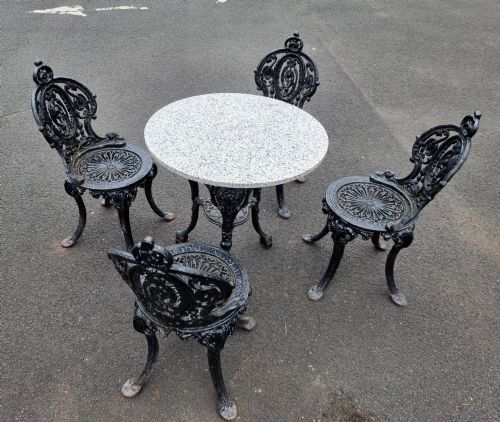
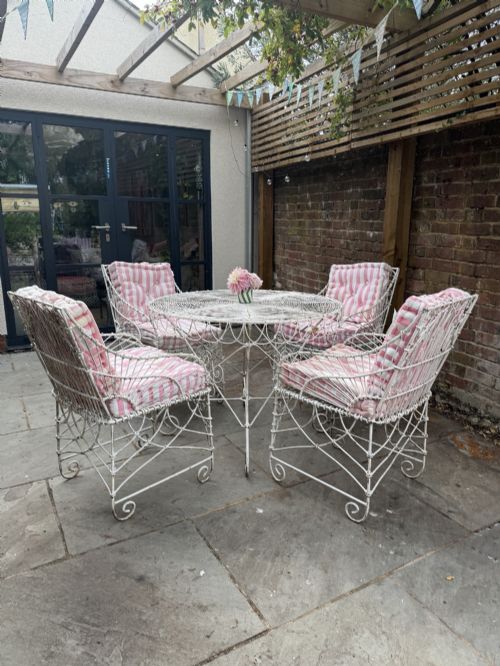
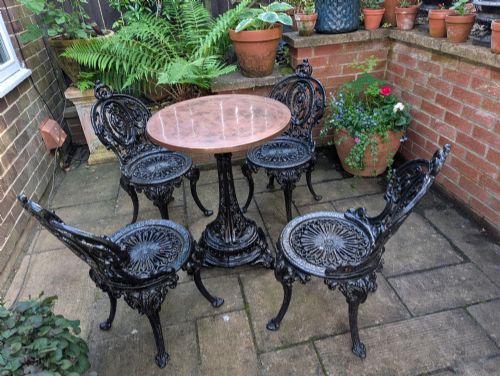
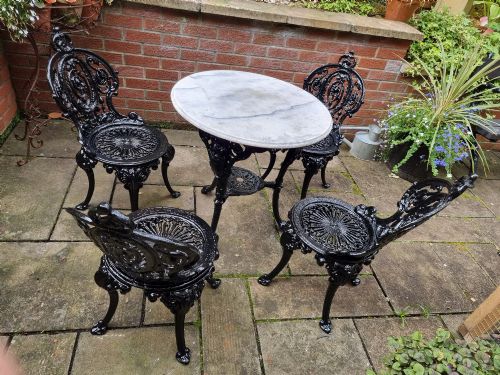
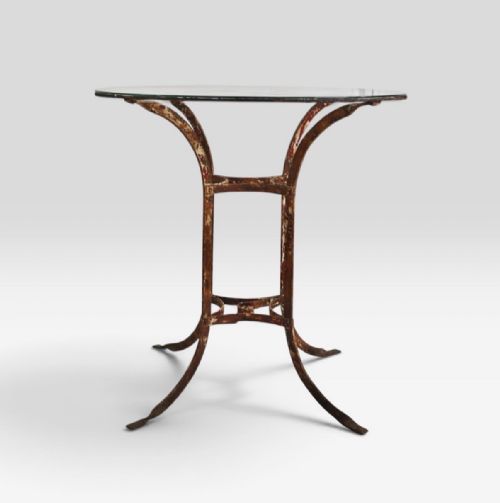
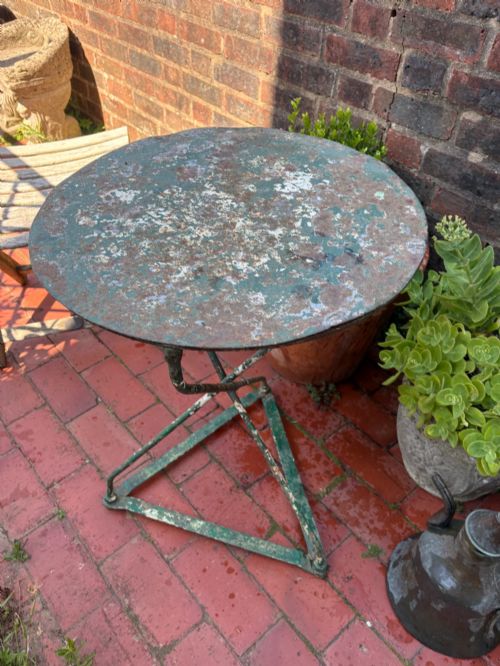
These vintage metal bistro table pieces bring enduring charm to any terrace, combining robust ironwork with classic French and Victorian styling.
Vintage Metal Bistro Table
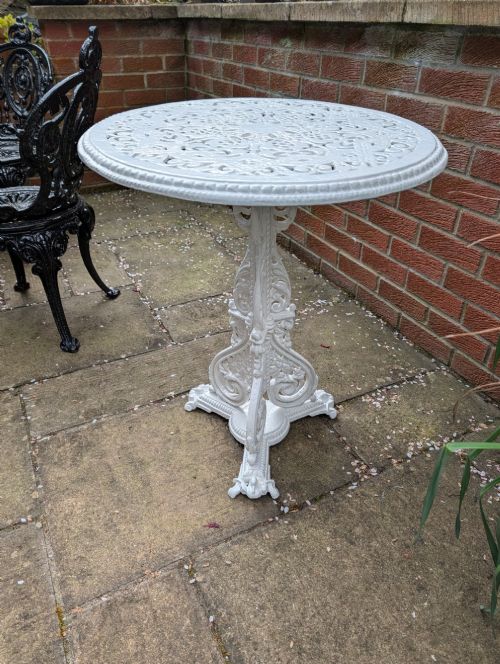
When you search for a vintage metal bistro table, you encounter practical garden furniture built to withstand the elements while offering elegant seating surfaces. These pieces include round gueridon tables, folding café designs, and heavier conservatory tables suitable for both indoor and outdoor placement.
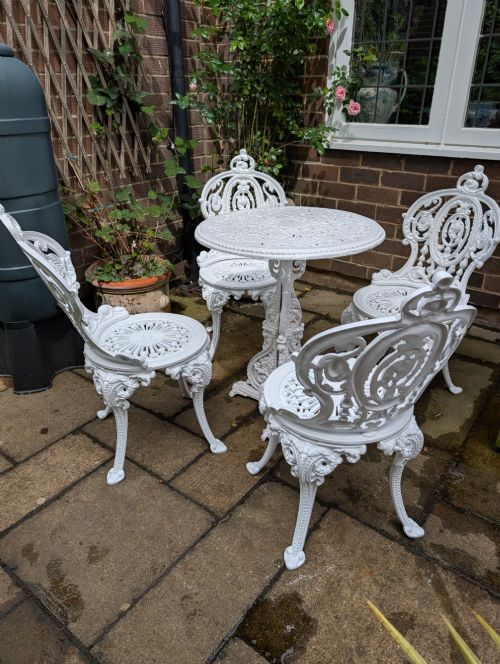
The selections span from nineteenth-century Victorian creations to 1920s and 1930s continental pieces. Many appear alongside matching chairs as complete sets, whilst others stand alone as console or side tables.
Origins heavily lean towards French provincial, industrial, and chateau aesthetics. You will frequently find pieces featuring intricate wirework, strapp work, or plain painted finishes designed for pavement cafés and private gardens.
How they were made
Makers utilised durable metals such as cast iron, wrought iron, steel, and zinc to form the structural bases and tops. These materials were often shaped through heavy casting or clever folding mechanisms.
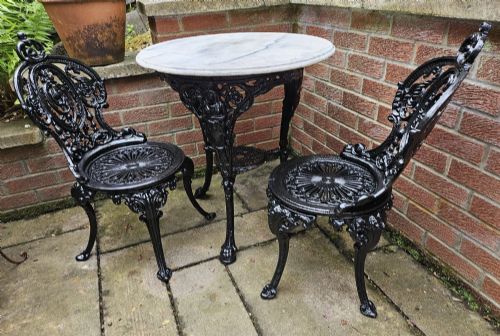
Many tables were finished with protective layers of paint, whilst others incorporated contrasting surfaces like marble, wood, copper, or brass. This mixed-material approach provided both stability and visual variety.
The listings span from the 1890s through to the 1930s, featuring cast iron, wrought iron, marble, and wood.
What varies in quality
The refinement of the casting and the crispness of the ironwork separate standard utility pieces from exceptional design examples. Pieces attributed to specific aesthetic movements display superior decorative detail in their legs and aprons.
The choice of top material also defines the tier of the piece, with solid marble or inset brass and copper elevating simple iron frames into more sophisticated indoor or conservatory furnishings.
Christopher Dresser
The Vintage Metal Bistro Table Glossary
- Gueridon
- A small round table on a single central pillar or slender legs. This French form dates back centuries and suits compact spaces.
- Cast iron
- Molten iron poured into a mould to create rigid, highly decorative shapes. It provides heavy stability for garden furniture.
- Wrought iron
- Iron heated and hammered into shape by hand, resulting in fibrous strength and graceful, flexible lines. It differs from cast iron by being malleable.
- Strap work
- Flat strips of metal interwoven or applied in geometric patterns to form tabletops or structural supports. It creates a distinctive open lattice effect.
- Zinc top
- A sheet metal surface applied to a wooden or iron frame, offering a waterproof and patinated finish popular in French cafés.
Vintage Metal Bistro Table: Frequently Asked Questions
Can I leave my metal bistro table outside all year?
Most vintage metal tables tolerate outdoor conditions well due to their robust iron and steel construction. However, protecting them during harsh winter months prevents excessive weathering.
Tables with marble or wooden tops require extra care and benefit from indoor storage during damp seasons to preserve their original surfaces.
How do I clean a painted iron table?
Gentle washing with warm water and mild soap removes surface dirt without damaging historic paint layers. Avoid harsh scrubbing or abrasive chemicals.
If the paint shows flaking, you can seal the surface with a clear protective wax to stabilise the finish.
Are folding metal tables sturdy?
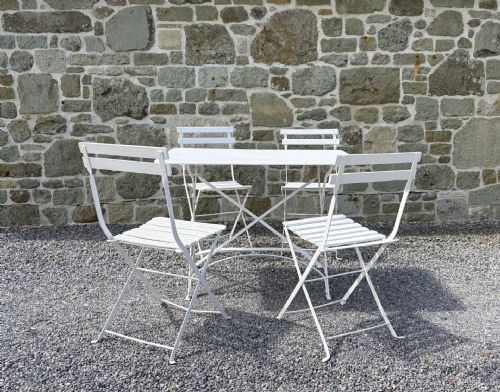
Nineteenth and early twentieth-century folding mechanisms were engineered for daily commercial use in French cafés. Their clever hinges lock securely into place when opened.
Regular light oiling of the joints keeps the folding action smooth and maintains structural integrity.
How do I identify a Victorian piece?
Victorian examples often feature heavier cast iron bases with ornate Victorian wirework or classical motifs. They frequently trace back to nineteenth-century British or French designs.
Examining the construction methods and material patination helps distinguish these older pieces from later twentieth-century reproductions.