







Vintage Mermaid Art
These vintage mermaid art pieces bring mythical maritime forms into domestic spaces through opalescent glass, metalware, and works on paper.
Vintage Mermaid Art
Vintage mermaid art spans domestic objects, tableware, and decorative items created across the nineteenth and twentieth centuries. Buyers searching for vintage mermaid art encounter a range of forms, from moulded glass plates and bowls to metal tableware and works on paper.
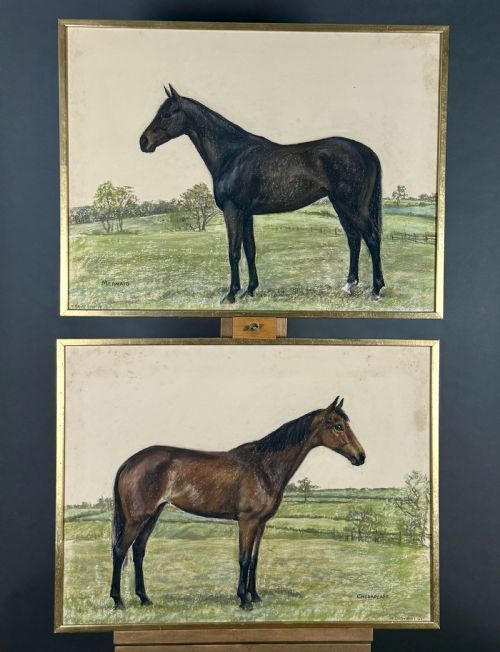
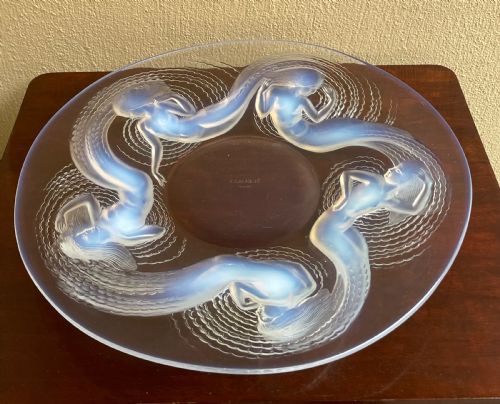
The pieces appearing in this category lean heavily towards early twentieth-century glass production, particularly French tableware and desk items. Alongside these moulded glass works, items such as silvered pewter jugs, sterling silver vesta cases, and framed pastels or watercolours appear.
Origins stretch from the late nineteenth century through to the middle of the twentieth century, taking in Edwardian, Art Nouveau, and Art Deco aesthetics. The subjects depict sirens, naiads, and maritime scenes rendered in diverse media.
Materials and construction methods
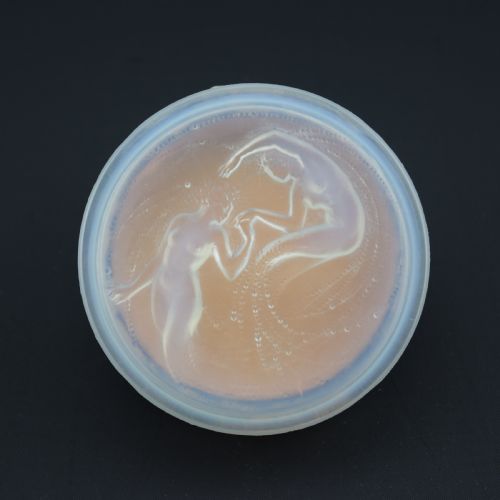
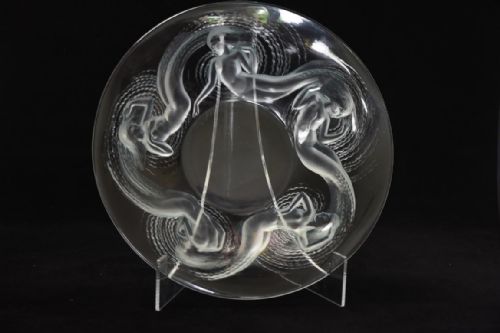
Moulded glass pieces utilise clear, frosted, or opalescent glass to capture translucent aquatic textures and relief details. Production techniques involve pressing or casting molten material into detailed metal moulds to achieve high-relief figural decoration.
Metal items employ casting and repoussé techniques, seen in silvered pewter handles and sterling silver match cases shaped by hand and tool. Works on paper rely on watercolour and pastel applied directly to paper substrates, framed for preservation.
Vintage Mermaid Art Retail Price Guide 2026
Typical asking prices for vintage mermaid art among the pieces listed under this phrase on Sellingantiques today, from the lower quarter to the upper quarter. They describe what is for sale here now, not the wider market.
Materials represented include opalescent glass, frosted glass, silvered pewter, sterling silver, and works on paper.
Distinctions in quality
Metalwork quality depends on the precision of the repoussé work and the integrity of the underlying pewter or silver base. Paper works derive their distinction from the artist's hand and the preservation of pigment over time.
Rene Lalique·WMF
The Vintage Mermaid Art Glossary
- Opalescent Glass
- Glass that diffuses light to display a milky blue or amber glow, commonly utilised in twentieth-century decorative pieces to enhance moulded relief subjects.
- Repoussé
- A metalworking technique where a design is hammered into relief from the reverse side of the metal sheet, creating dimensional surface decoration.
- Coupe Ouverte
- An open glass bowl or basin designed for display or table service, often featuring figural reliefs around the rim.
- Salver
- A flat metal or glass serving tray or platter raised on a small foot, frequently ornamented with classical or mythical motifs.
Vintage Mermaid Art: Frequently Asked Questions
What materials are common in vintage mermaid art?
The pieces utilise opalescent, frosted, and clear glass alongside silvered pewter, sterling silver, and pastel or watercolour on paper.
Glass items dominate the selection, while metal vessels and works on paper provide alternative mediums for the theme.
How do I identify Art Deco mermaid pieces?
Art Deco pieces typically display stylised, geometric framing paired with streamlined figural reliefs dating from the 1920s and 1930s.
Makers from this era favoured opalescent glass plates, bowls, and car mascots featuring mythological aquatic figures.
Were these items used for dining?
Many glass bowls, chargers, and plates served as functional tableware or decorative centrepieces in twentieth-century homes.
Smaller items like pin dishes and vesta cases fulfilled personal or desk-top functions.
What is the difference between a naiad and a siren?
Naiads are mythological freshwater nymphs, whereas sirens are traditional sea-dwelling temptresses often depicted with fish tails.
Artists across the nineteenth and twentieth centuries used these terms interchangeably or specifically when titling moulded glass and metal works.