




Vintage Merchant Cabinet
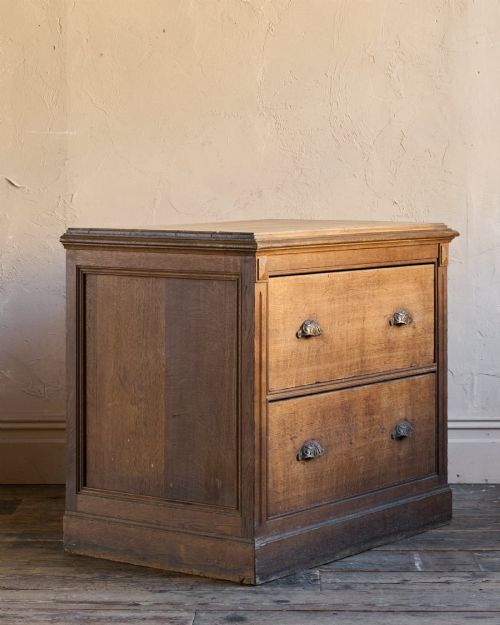
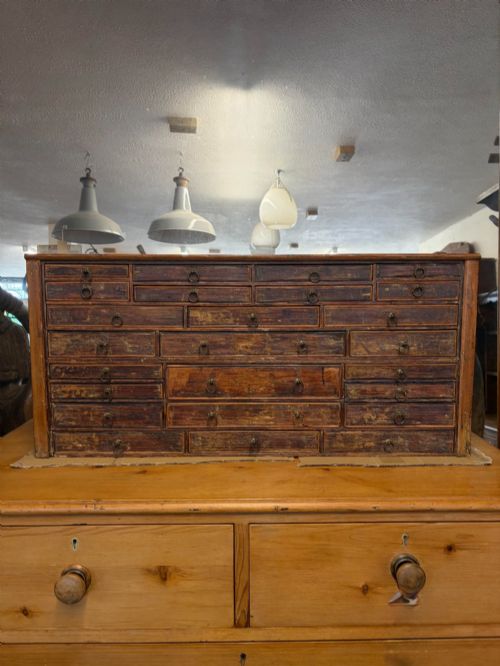
A vintage merchant cabinet organises utility with rows of small drawers, built for shops and trade.
Vintage Merchant Cabinet
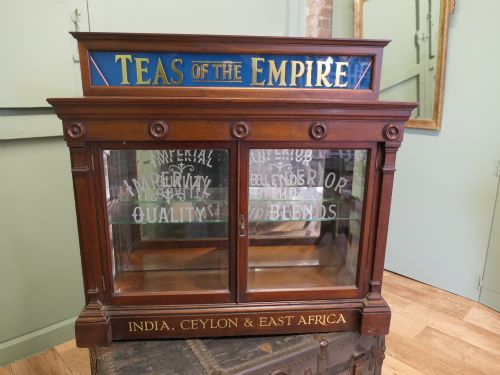
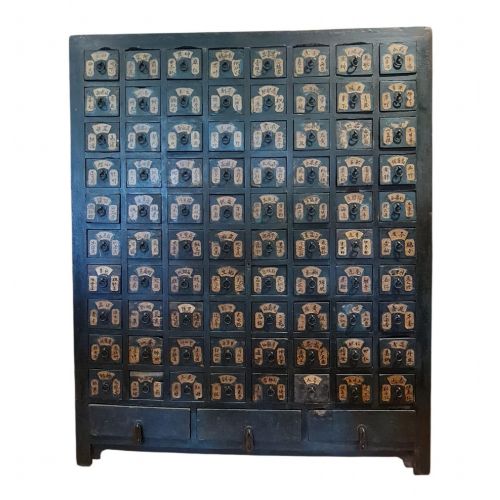
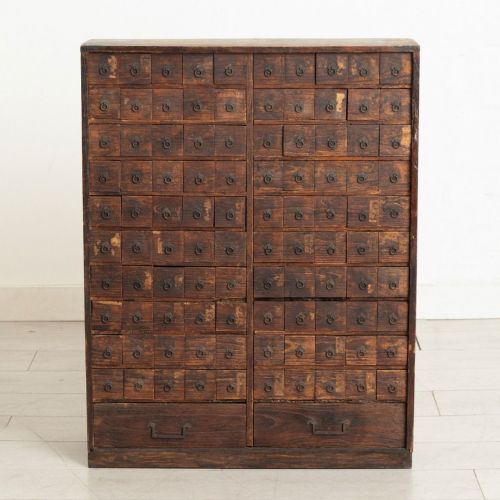
A vintage merchant cabinet encompasses banks of drawers, shop counters, drapers cabinets, and apothecary chests designed for commercial and functional storage. These items originate from diverse global traditions, spanning European pine shop fittings to Japanese tansu chests and Chinese apothecary cabinets.
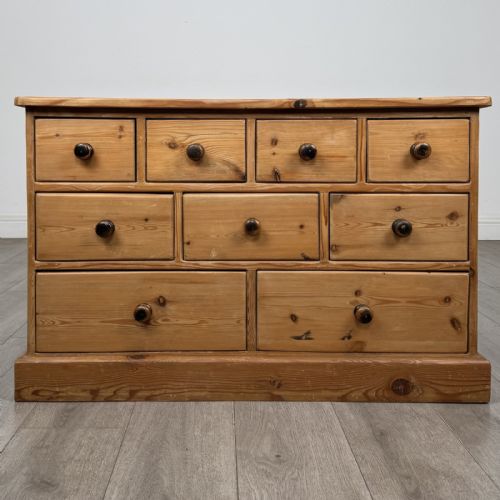
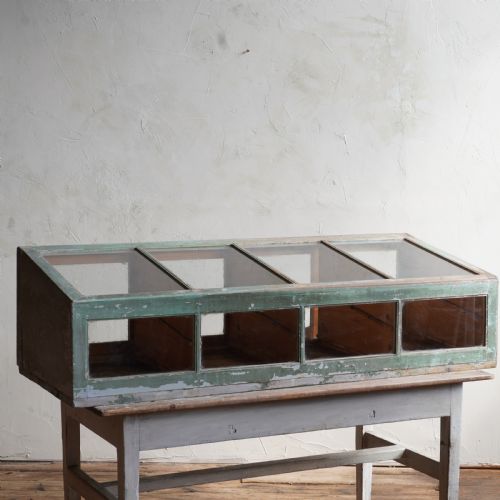
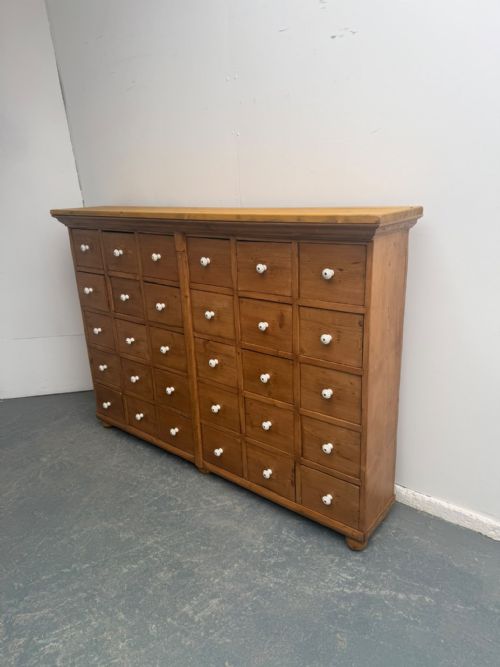
Buyers are most likely to encounter pine banks of drawers and shop counters dating from the Victorian era and the early twentieth century. These pieces range from compact countertop display cabinets to substantial multi-drawer units built for hardware, drapery, or apothecary use.
How they were made
Makers constructed these cabinets using robust timbers suited to heavy daily trade, notably pine, mahogany, elm, and keyaki. Joinery prioritized durability, often pairing solid timber carcases with numerous smaller drawers designed for repetitive use.
Hardware played an essential structural role, incorporating brass pulls, iron handles, and glass panels for display counters. Surfaces were finished simply, frequently utilising applied paint, distressed coatings, or polished hardwood.
Vintage Merchant Cabinet Retail Price Guide 2026
Typical asking prices for vintage merchant cabinet among the pieces listed under this phrase on Sellingantiques today, from the lower quarter to the upper quarter. They describe what is for sale here now, not the wider market.
Listings feature pine, mahogany, and elm across periods from the eighteenth century to the mid-twentieth century.
What varies in quality
The standard of a vintage merchant cabinet depends upon the integrity of its multi-drawer construction and the retention of original hardware. Units that preserve their brass pulls, maker labels, and uncompromised timber interiors demonstrate higher integrity.
Scale and regional origin also influence the character of each piece, from modest European provincial pine counters to intricate Japanese keyaki tansu chests. Original painted surfaces or patinated finishes that reveal decades of commercial use elevate the interest of a piece.
Luxmore's of Ilfracombe
The Vintage Merchant Cabinet Glossary
- Bank of drawers
- A modular cabinet featuring multiple rows of small drawers designed for systematic storage of goods or materials. These units were standard fixtures in nineteenth-century shops and offices.
- Drapers counter
- A long shop counter incorporating numerous shallow drawers beneath a display surface. Merchants used these to store textiles, ribbons, and haberdashery.
- Apothecary chest
- A multi-drawer cabinet historically used by pharmacists to store herbs, medicines, and dry ingredients. They are characterised by numerous small compartments, sometimes bearing original labels.
- Keyaki
- A Japanese elm timber prized for its dense grain and durability in traditional cabinet making. It frequently appears in high-status merchant chests.
Vintage Merchant Cabinet: Frequently Asked Questions
What is a vintage merchant cabinet used for today?
These pieces serve as practical storage units in modern homes, offering numerous small compartments for organisation. They work well in kitchens, studies, or living spaces for sorting smaller items.
Their robust construction and commercial history also make them striking focal points as sideboards or console tables.
How do I identify a Victorian shop counter?
Victorian shop counters typically combine a substantial timber base with banks of shallow drawers facing the operator side. Mahogany and pine are common woods, often paired with panelled fronts and heavy timber display tops.
Many retain functional details such as adjustable feet or original brass bin pulls suited for daily trade.
What distinguishes Japanese tansu chests?
Japanese tansu chests are traditional storage units constructed from timbers like keyaki and elm, reinforced with elaborate iron strapwork and side carrying handles. They were built for specific domestic or merchant tasks, including clothing and document storage.
Unlike European shop counters, tansu often feature sliding doors and clever internal locking mechanisms alongside drawer banks.
How should I care for painted shop furniture?
Painted shop fittings and distressed counters require gentle cleaning with a dry or slightly damp cloth to preserve original surface layers. Avoid harsh chemical cleaners that might strip historic paint or patinated wax finishes.
Keeping the timber away from direct heat sources prevents the wood from warping and protects old joinery.