


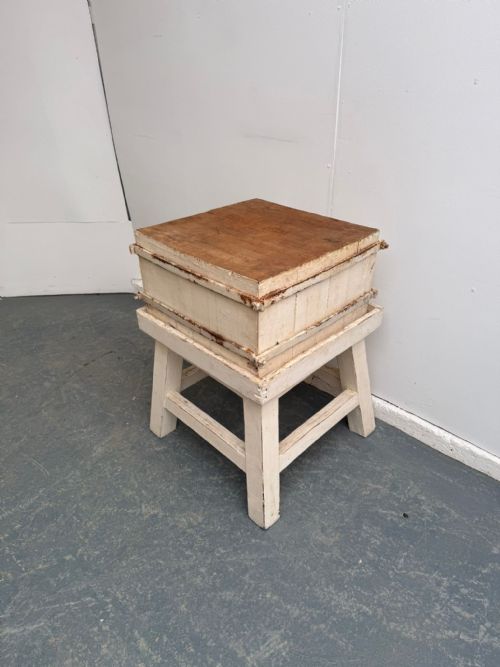


Vintage Meat Chopping Block
A vintage meat chopping block brings robust utility and honest charm to a modern kitchen.
Vintage Meat Chopping Block
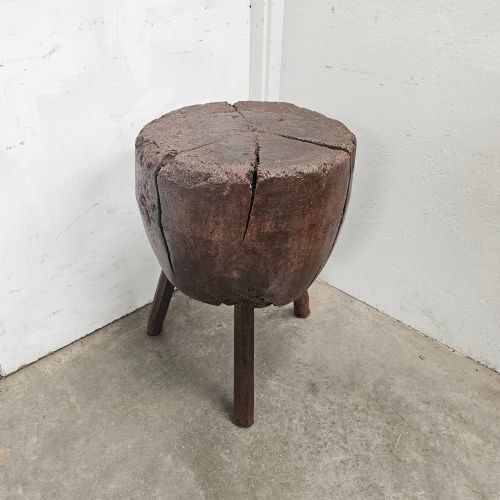
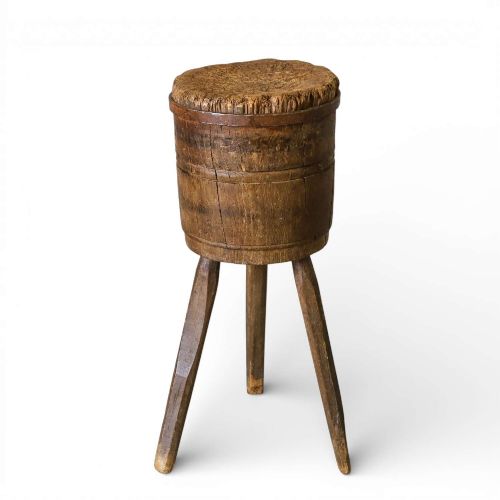
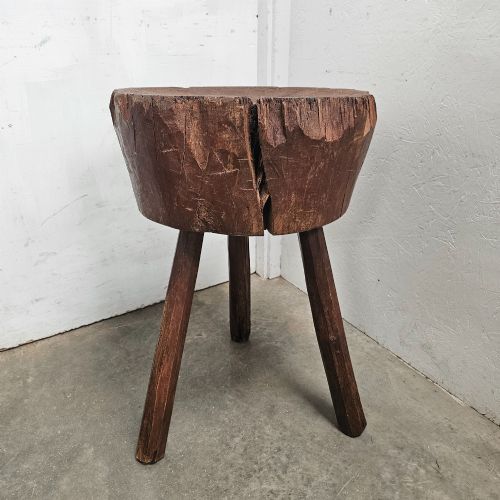
A vintage meat chopping block is a heavy-duty working surface designed for heavy culinary tasks, frequently appearing as freestanding kitchen islands or tables. When you search for a vintage meat chopping block, you encounter substantial pieces shaped by decades of practical use in European kitchens and shops.
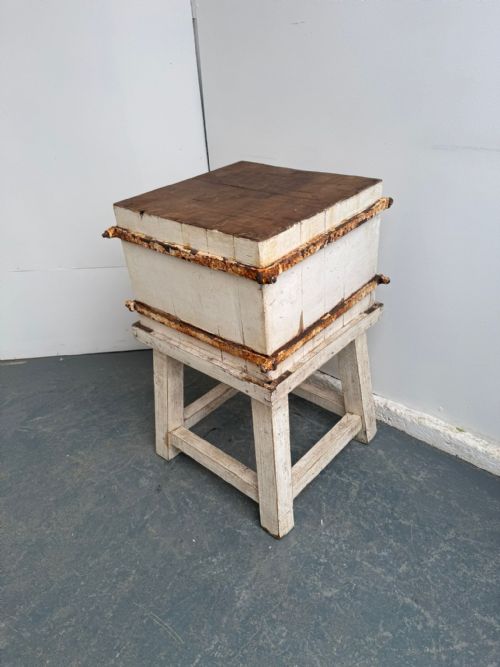
The selections available here span from the nineteenth century into the twentieth century, reflecting robust periods of craftsmanship. French and Hungarian origins dominate, showcasing distinct regional forms such as circular tripod designs or long rectangular boards on stands.
Most examples hail from the Victorian era, alongside pieces dated from eighteen-ninety up to nineteen-thirty. These sturdy blocks serve equally well as central prep tables or statement furniture pieces in contemporary spaces.
Materials and construction
Construction relies upon dense timbers selected for durability under heavy blows, predominantly beech, oak, elm, and miscellaneous hardwoods alongside softer woods. Artisans joined thick sections of timber to form solid end-grain or edge-grain tops capable of withstanding daily butchery.
Metal components such as iron and bronze mounts reinforce the heavy wooden bodies, adding structural stability and industrial utility. Some pieces retain original painted finishes, particularly white paint on Victorian frames, while others expose the raw grain of French beech and elm.
Vintage Meat Chopping Block Retail Price Guide 2026
Typical asking prices for vintage meat chopping block among the pieces listed under this phrase on Sellingantiques today, from the lower quarter to the upper quarter. They describe what is for sale here now, not the wider market.
Listings feature periods from the nineteenth century up to nineteen-thirty, with origins spanning France, Hungary, and general European workshops.
Judging quality and character
Quality in these blocks rests upon the depth of the timber top and the integrity of its original structure. A superior piece displays honest wear from genuine service rather than artificial distress, with tight joints and solid legs.
The presence of original hardware, such as bronzed mounts or maker details, elevates a piece significantly. Variations between simple provincial workshop items and elaborate industrial or painted examples define the breadth of the range.
Hennes France
The Vintage Meat Chopping Block Glossary
- Butchers block
- A thick, heavy wooden table traditionally used for cutting and chopping meat. These surfaces were engineered to absorb heavy blows without splitting.
- Tripod
- A three-legged support structure often found beneath circular chopping blocks. This configuration ensures stability on uneven workshop or kitchen floors.
- Hardwood
- Dense timber derived from broad-leaved trees, such as beech and oak, utilised for the working surfaces. These woods resist deep scarring from cleavers and knives.
- Primitive country
- A style category describing unpretentious, functional items made by local makers for everyday utility. Such pieces prioritise practical endurance over decorative refinement.
Vintage Meat Chopping Block: Frequently Asked Questions
What woods were used for these blocks?
The listings show a heavy reliance on dense timbers like beech, oak, elm, and general hardwoods. Softwoods also appear in subordinate structural parts.
These materials were chosen specifically because they could endure the constant impact of heavy cleavers without shattering.
How do I date a butchers block?
Dating relies on construction methods, timber patination, and stylistic clues recorded in periods spanning the nineteenth century to nineteen-thirty. Victorian examples often feature painted bases, whereas French provincial pieces showcase exposed elm and beech.
Hardware styles, such as iron or bronzed mounts, provide further chronological markers for pieces from the early twentieth century.
Can I use these blocks for daily cooking?
These robust surfaces were originally built for heavy butchery and food preparation in commercial shops and rural kitchens. Their thick wooden tops remain entirely suited for modern culinary tasks.
Proper oiling and maintenance will preserve the vintage wood against moisture and regular kitchen use.
Are these blocks freestanding?
Most examples function as independent furniture items, often described as kitchen islands or blocks on stands. Some specific designs incorporate tripod legs or heavy wooden bases.
This freestanding nature allows them to act as central prep stations within an open kitchen layout.