



Vintage Maritime Lighting
Vintage maritime lighting brings genuine nautical history indoors through salvaged ship lanterns, gimbal lamps, and coastal fine art.
Vintage Maritime Lighting
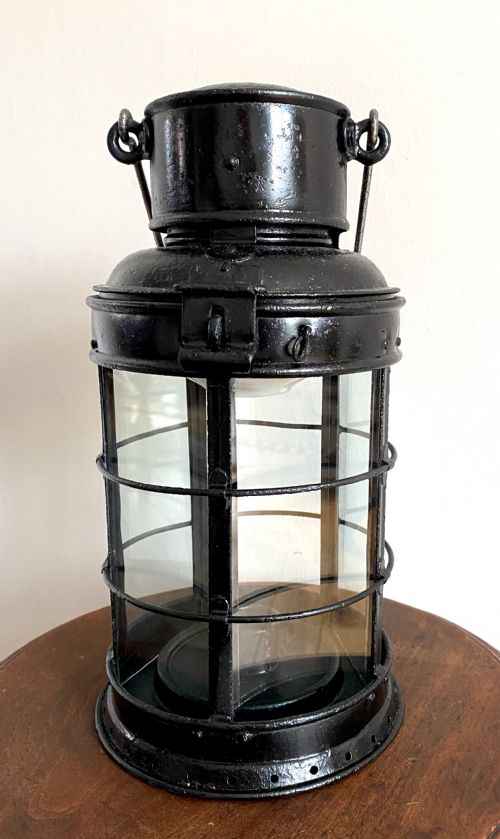
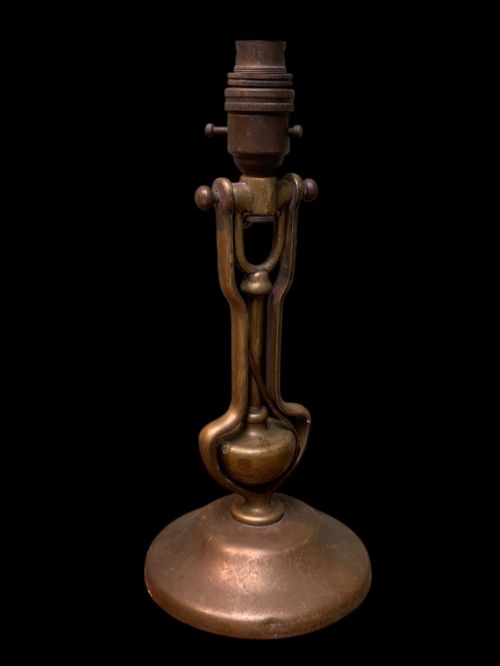
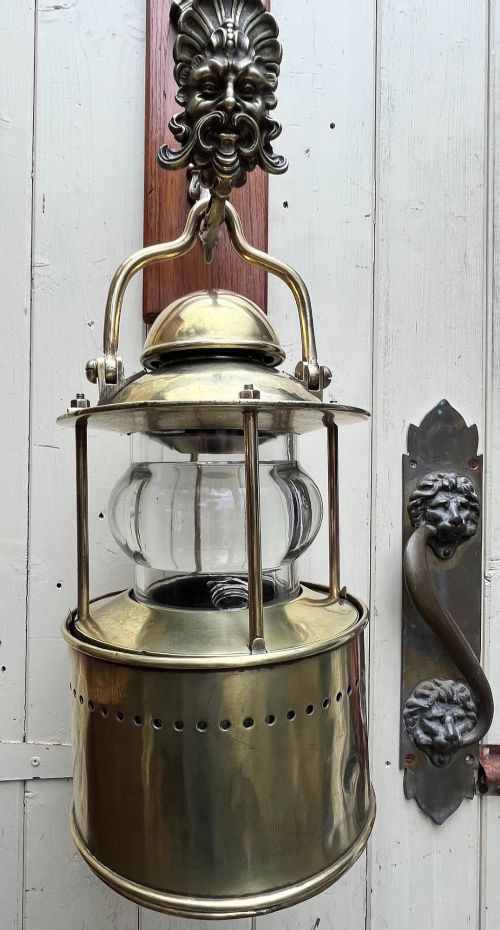
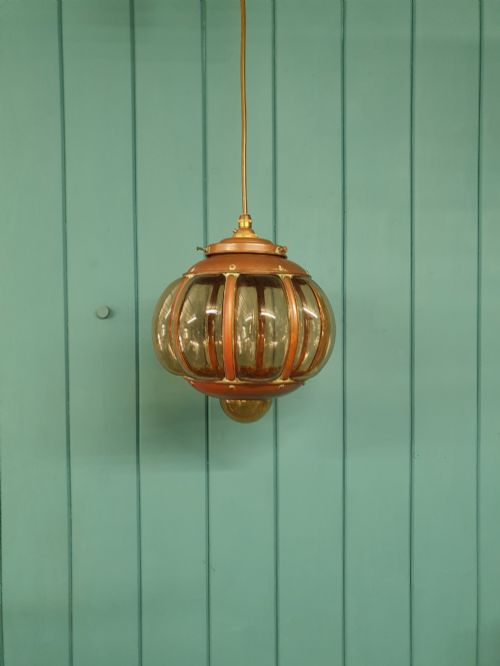
Vintage maritime lighting encompasses utilitarian hardware from vessels and coastal watercolours depicting harbours, ships, and the sea. The most frequent finds on this page are brass and nickel-plated ship's gimbal lamps, copper and brass port lanterns, and nautical pendant lights dating from the nineteenth and early twentieth centuries.
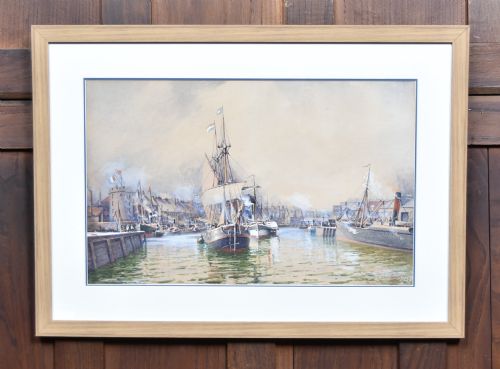
Beyond functional illumination and ship salvage, the category includes decorative objects such as brass anchor door knockers, teak candlesticks from naval yachts, and framed oil paintings and watercolours by period artists.
These items originate from varied domestic and international contexts, ranging from Edwardian light fittings to French coastal paintings and Italian chandeliers, reflecting both industrial marine use and artistic interpretations of the sea.
Materials and construction of marine pieces
Metalwork dominates these items, utilising solid brass, heavy copper, nickel plating, and black enamelled iron to withstand harsh marine environments. Lanterns frequently incorporate thick smoked glass and protective metal cages to secure the bulb or oil burner against movement.
Joinery and mechanical assemblies include specialised gimbal mountings designed to keep lamps level aboard rolling vessels, alongside turned wood elements such as teak candlesticks and solid oak lighthouse table lamps.
Painted works employ traditional media including watercolour on paper and oil on canvas, capturing coastal scenes and maritime subjects with period pigments and framing techniques.
Vintage Maritime Lighting Retail Price Guide 2026
Typical asking prices for vintage maritime lighting among the pieces listed under this phrase on Sellingantiques today, from the lower quarter to the upper quarter. They describe what is for sale here now, not the wider market.
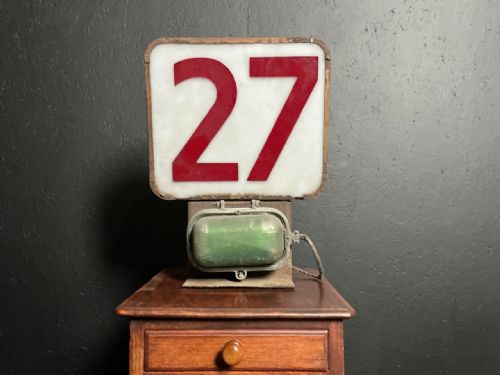
A set of brass auction bidder numbers from thirty gives silent testimony to bustling nineteenth-century fish markets.
Differentiating factors in maritime objects
Quality in utilitarian lighting depends upon the integrity of the original metal housing, the weight and gauge of the brass or copper, and the retention of working gimbal mechanisms. Examples retaining original nickel plating or makers' marks command greater interest than heavily altered or stripped components.
For fine art and paintings, quality is defined by the artist's handling of light and subject matter, the condition of the canvas or paper, and the preservation of the original framing.
The degree of honest surface patination on metals and the historical provenance connecting items to specific vessels or makers further distinguish superior examples from standard salvage.
William Woolard·Jean-Baptiste Olive·William Lee Hankey·Edmund Gouldsmith·William McGeoch & Co
The Vintage Maritime Lighting Glossary
- Gimbal lamp
- A lamp mounted on a pivoting ring system that keeps the burner or bulb upright regardless of the vessel's motion. This mechanical design prevents fuel spills and maintains steady illumination at sea.
- Port hole
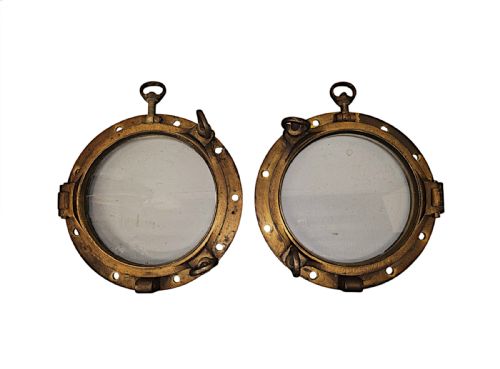
- A heavy brass or bronze circular window frame salvaged from a ship's hull. These sturdy items often occur in matched pairs and reflect heavy industrial marine engineering.
- Port lantern
- A specialised navigation light historically mounted to the port side of a vessel, glowing red to signal position. They are constructed from copper or brass with glazed panes.
- Bobbin turned
- A method of woodturning that creates a series of rounded, spool-like shapes along the length of a stem or pillar. This decorative technique appears on items like designated yacht candlesticks.
- Watercolour
- A painting method where fine pigment is suspended in a water-based solution on paper. Period marine watercolours capture coastal atmospheres and shipping activity with translucent washes.
Vintage Maritime Lighting: Frequently Asked Questions
How do ship gimbal lamps work?
Gimbal lamps use a set of concentric pivoting rings that allow the lamp body to swing freely in multiple directions. This suspension ensures the light source remains level as the ship pitches and rolls.
In domestic interiors, this mechanism allows the lamp to maintain its historical function while adding kinetic industrial character to a room.
Where were port lanterns used?
Port lanterns were positioned on the left side of ships to signal the vessel's heading to other mariners at night. Their heavy metal construction protected the flame from wind and salt spray.
Today, these copper and brass housings serve as striking wall or ceiling lights that retain their industrial aesthetic.
How do I date maritime brass?
Dating maritime brass involves examining manufacturing methods, fastener types, and design patents. Nineteenth and early twentieth-century pieces often feature heavier casting, hand-cut threads, and specific maker stamps.
Surface patination and wear patterns also provide clues to the age and active service history of the item.
Can I hang old ship lights?
Historic ship lights can be adapted for modern electrical use while preserving their exterior hardware and gimbal mounts. Professional rewiring ensures the fixtures comply with current safety standards.
They function well as pendant lights in kitchens or hallways, combining robust marine engineering with ambient illumination.