
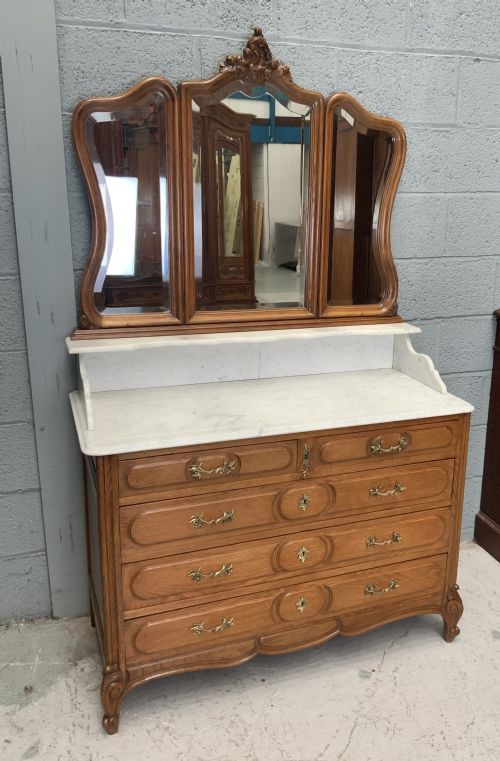
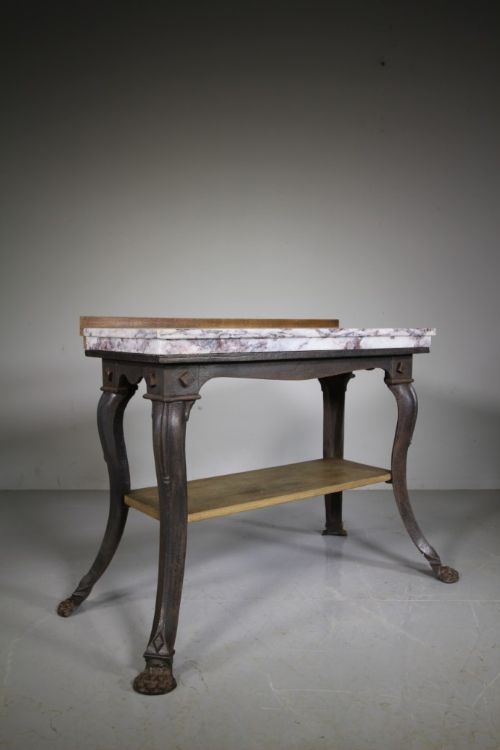


Vintage Marble Top Washstand
A vintage marble top washstand brings heavy stone surfaces and timber frames together to anchor a bedroom with practical nineteenth and early twentieth century utility.
Vintage Marble Top Washstand
A vintage marble top washstand serves as a sturdy bedroom furnishing built to hold basins and ewers before plumbed bathrooms became standard. These pieces emerge most frequently from the Victorian and Edwardian eras, alongside items from the nineteenth century.
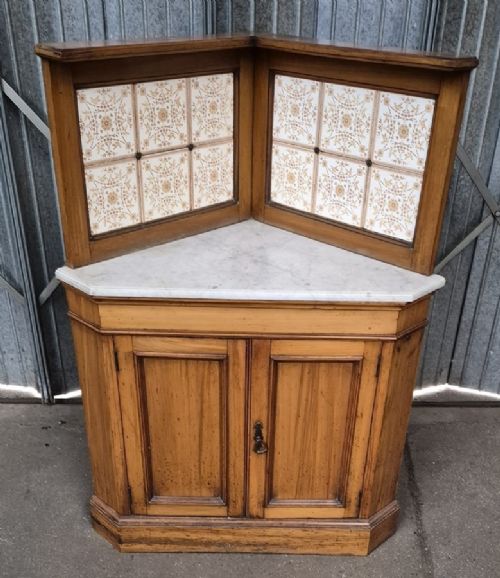
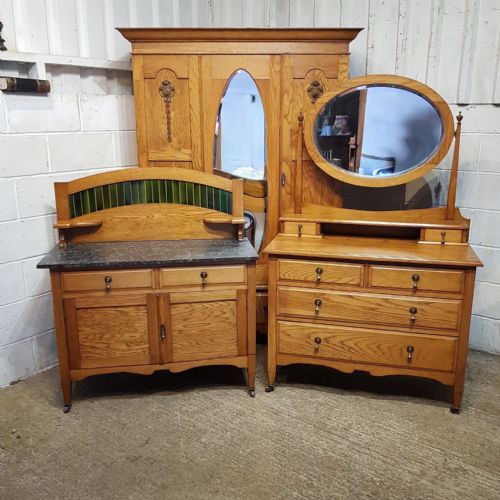
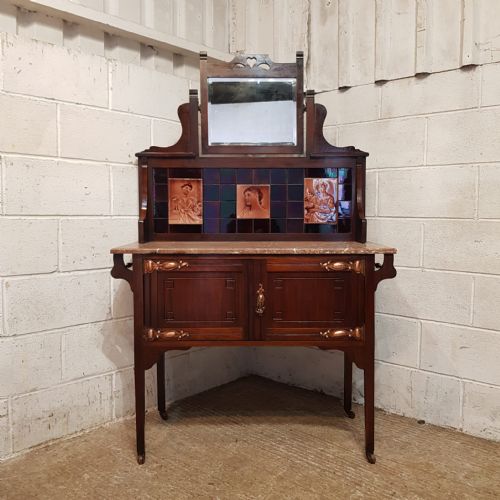
Buyers encounter walnut, mahogany, oak, and pine frameworks supporting fitted stone slabs. Many examples incorporate tile backs and ceramic elements, while others take the form of corner units or commodes.
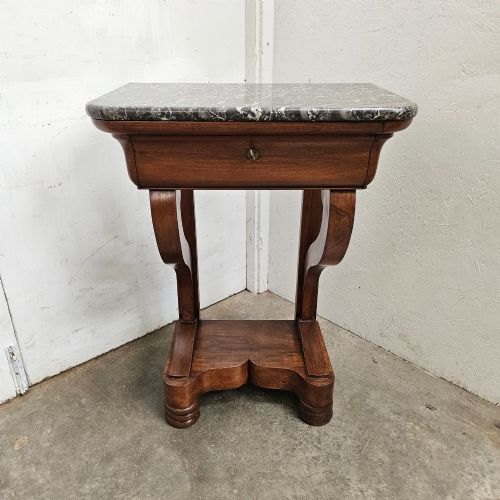
The category overlaps closely with dressing tables and side tables, reflecting the versatile domestic roles these sturdy wooden cabinets filled over the decades.
Materials and construction methods
Cabinet makers built the structural frames using dense hardwoods like mahogany and walnut, alongside softer timbers such as pine and oak. These frames needed substantial heft to bear the considerable weight of thick marble slabs.
Stonemasons shaped and polished marble tops to resist water and staining during daily washing routines. Workshops frequently integrated ceramic tiles into the wooden splashbacks above the stone surface.
Joinery methods relied on traditional cabinet making techniques to ensure rigidity across the washstand body, supporting drawers, cupboards, and sometimes lower undershelves.
Faux bamboo surfaces bring a surprising touch of botanical mimicry directly into nineteenth century bedroom furniture.
Assessing quality in construction and material
Quality rests primarily on the density of the timber and the thickness and figure of the marble top. Finely grained mahogany or burr walnut frames paired with rouge or figured marble indicate superior workshop standards.
The presence of inlaid satinwood, carved decorative panels, and matching tiled splashbacks separates standard utility pieces from high end commission work. Finer examples maintain crisp joinery and robust structural integrity across all drawers and doors.
Gillows
The Vintage Marble Top Washstand Glossary
- Washstand
- A piece of bedroom furniture designed to hold washing basins, water jugs, and toiletries. These items typically feature stone tops to protect the underlying timber from water splashes.
- Marble top
- A polished stone surface fitted to the top of a cabinet or table. This material provided a durable, water resistant workspace for daily ablutions.
- Arts and Crafts
- A design movement prioritising traditional craftsmanship and honest construction over mass production. Pieces from this style often display simple geometric lines and exposed structural joinery.
- Edwardian
- A period spanning the reign of King Edward VII, noted for lighter furniture designs and revived classical motifs. Washstands from this era frequently utilise mahogany or inlaid satinwood.
- Faux bamboo
- A decorative finish where wood is carved or painted to resemble natural bamboo stalks. This technique appeared on Victorian bedroom suites and lighter furniture pieces.
Vintage Marble Top Washstand: Frequently Asked Questions
What is a vintage marble top washstand?
A vintage marble top washstand is a historic bedroom cabinet topped with stone to hold basins and washing equipment. They date predominantly from the Victorian and Edwardian periods.
These pieces combine timber framing with stone surfaces designed to withstand daily use before modern indoor plumbing became universal in domestic homes.
How were washstands used originally?
Households placed washstands in bedrooms to hold ceramic basins, water jugs, soap dishes, and chamber pots. They formed part of the essential dressing furniture in homes lacking en suite bathrooms.
The stone top protected the wooden body from water damage while servants or family members carried fresh water up to the bedchambers.
How do I style a washstand today?
Living with a washstand involves utilising the flat stone surface for display in hallways, living rooms, or modern bathrooms. The lower cupboards and drawers provide concealed storage for everyday items.
Pairing the timber frame with contemporary ceramics or vintage mirrors helps integrate these heavy historic pieces into modern interior layouts.
How do I distinguish Edwardian from Victorian washstands?
Edwardian washstands generally feature lighter timbers such as mahogany or satinwood with restrained inlaid details. They often display brighter proportions and cleaner lines reflecting changing domestic fashions.
Victorian examples tend to employ heavier dark woods like walnut or oak, occasionally featuring more elaborate carving, tile backs, and robust proportions.