



Vintage Mahogany Wall Unit
These vintage mahogany wall unit options offer practical storage with period character, saving floor space while displaying cherished objects.
Vintage Mahogany Wall Unit
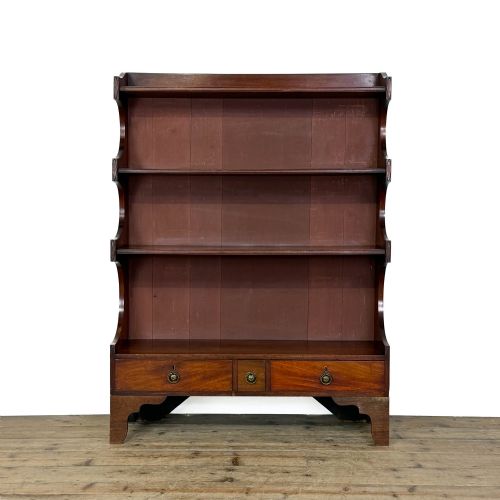
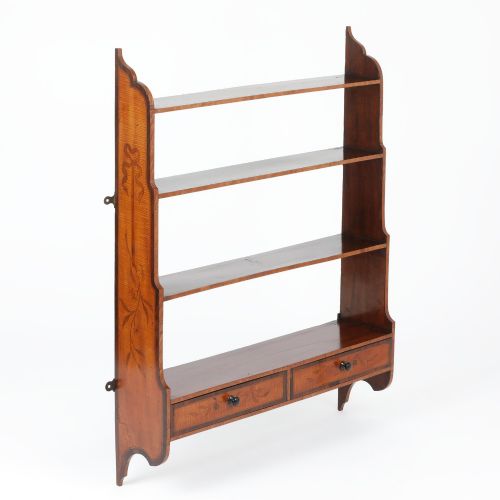
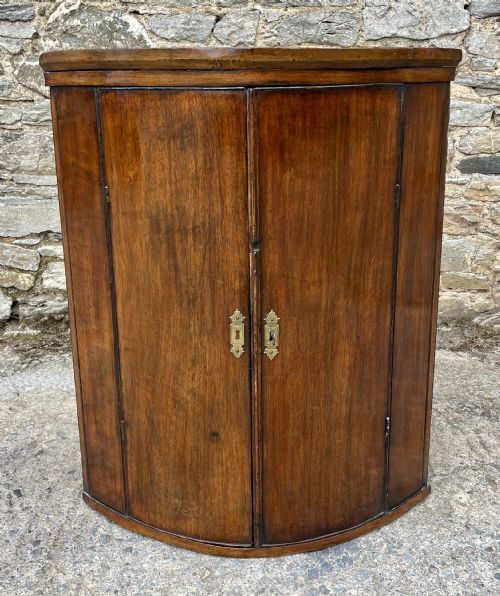
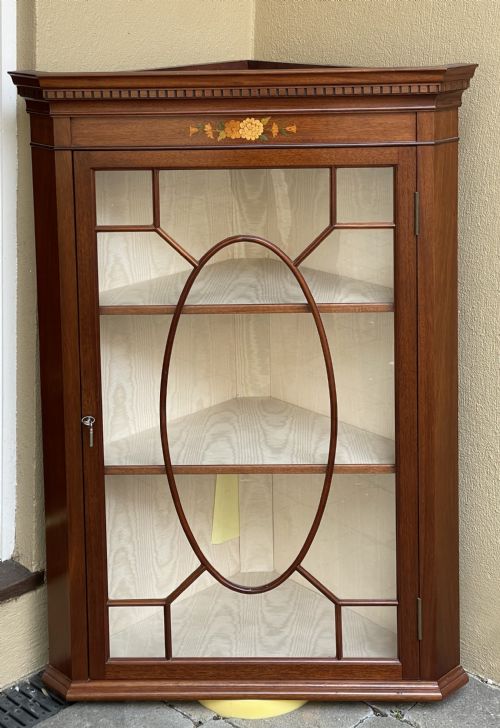
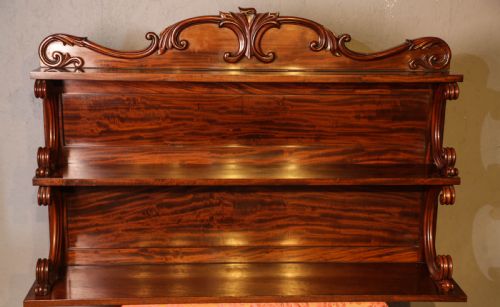
When you search for a vintage mahogany wall unit, you encounter a selection of hanging shelves, corner cupboards, and wall cabinets designed to maximise vertical space. These pieces originate from various historical periods, spanning the Georgian, Regency, Victorian, and Edwardian eras.
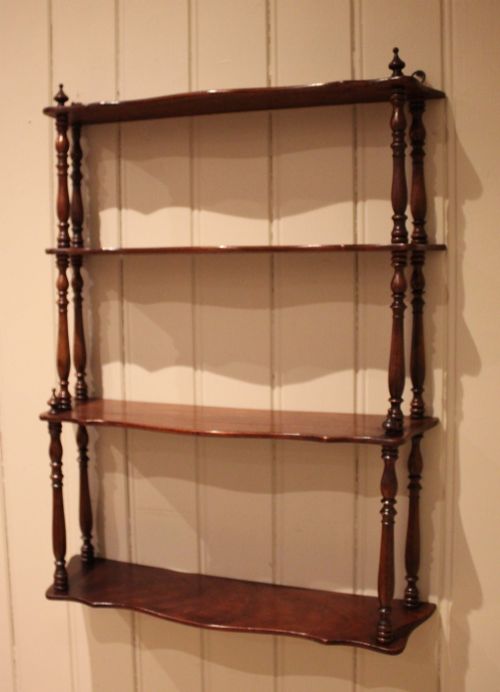
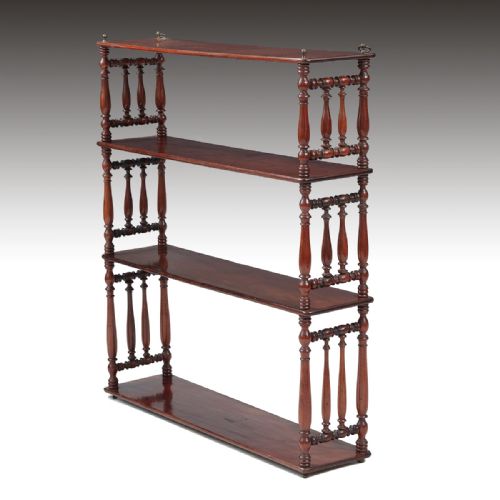
The majority of items on this page comprise corner cupboards and hanging bookshelves constructed from rich timber. They serve both display and storage functions in domestic interiors, utilising neglected wall space effectively.
How they were made
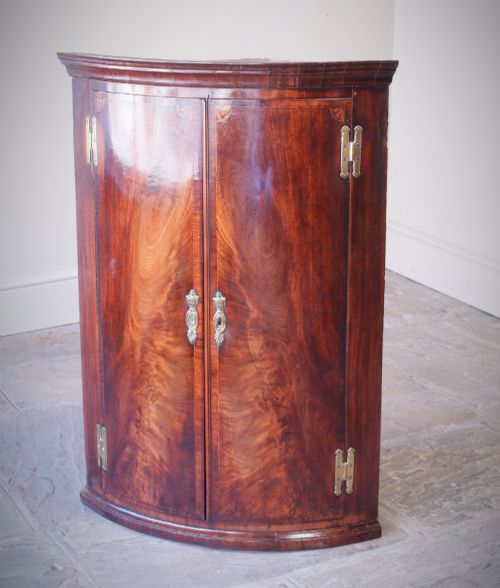
Cabinet makers utilised solid mahogany and flame mahogany veneer over secondary timbers, often incorporating satinwood stringing and boxwood inlay for decorative contrast. Brass hardware such as hinges, escutcheons, and hanging brackets provide structural support and functional detail.
Joinery techniques reflect traditional methods, visible in the construction of bow front doors, glazed panels, and tiered shelving units. These pieces rely on wall mounting systems suited to supporting heavy timber weights.
Vintage Mahogany Wall Unit Retail Price Guide 2026
Typical asking prices for vintage mahogany wall unit among the pieces listed under this phrase on Sellingantiques today, from the lower quarter to the upper quarter. They describe what is for sale here now, not the wider market.
Listings feature items spanning the 18th Century through to the 1960s, incorporating Georgian, Regency, Victorian, Edwardian, and Arts and Crafts styles.
What varies in quality
The degree of refinement in timber selection separates standard pieces from finer examples, particularly the figure and grain pattern visible in flame mahogany veneer. Superior execution shows in crisp inlaid details such as boxwood and satinwood stringing.
Construction integrity and original brass fixtures influence the overall standard of a piece. Well-proportioned cornices and tight joinery indicate skilled workshop production from periods like the Georgian and Regency eras.
The Vintage Mahogany Wall Unit Glossary
- Bow front
- A convex curved front section commonly found on corner cupboards and cabinets of the Georgian period. This shape softens the angular appearance of room corners.
- Stringing
- Thin inlaid lines of contrasting timber, such as satinwood or boxwood, used to edge panels and shelves. It provides a delicate decorative border to mahogany surfaces.
- Whatnot
- An open-shelved multi-tiered piece of furniture designed for displaying ornaments and books. Edwardian examples often incorporate this form in wall-hanging formats.
- Glazed
- Fitted with glass panels within a wooden frame, allowing contents to remain visible while protected from dust. This treatment appears on display cabinets and corner cupboards.
Vintage Mahogany Wall Unit: Frequently Asked Questions
How do I hang a heavy mahogany wall cupboard safely?
Secure the unit directly into wall studs or use heavy-duty fixings rated for the combined weight of the timber and its contents. Professional installation is recommended due to the dense weight of solid mahogany.
Check that the original hanging brackets or internal fixing points remain structurally sound before mounting the cabinet to the wall.
What is the difference between a corner cupboard and a wall shelf?
Corner cupboards feature enclosed doors, often panelled or glazed, designed to fit neatly into room angles and conceal stored items. Wall shelves provide open storage intended for books and display objects.
Both forms utilise vertical wall space, but corner units manage awkward angles while flat wall shelves span straight room surfaces.
How should I clean and maintain vintage mahogany furniture?
Dust the timber regularly with a soft, dry cloth to prevent particulate build-up on polished surfaces. Avoid silicone-based sprays and excess moisture which can damage the antique finish.
Apply a traditional beeswax polish occasionally to nourish the mahogany and maintain its natural lustre without creating a heavy buildup.
Can these wall units support heavy books?
Hanging bookshelves and portable bookshelves are built to hold standard book collections, but shelf depth and bracket strength dictate capacity. Solid mahogany versions offer robust support for heavier volumes.
Inspect the fixed or adjustable shelf supports inside older units to ensure they can bear concentrated weight without sagging.
How do I identify a Georgian piece from later revivals?
Examine the timber patination, construction joints, and hardware style for markers consistent with eighteenth-century craftsmanship. Georgian pieces often display hand-cut dovetails and native secondary woods.
Revival pieces from later eras frequently incorporate machine-made elements and standardised fixings while mimicking earlier architectural proportions.