




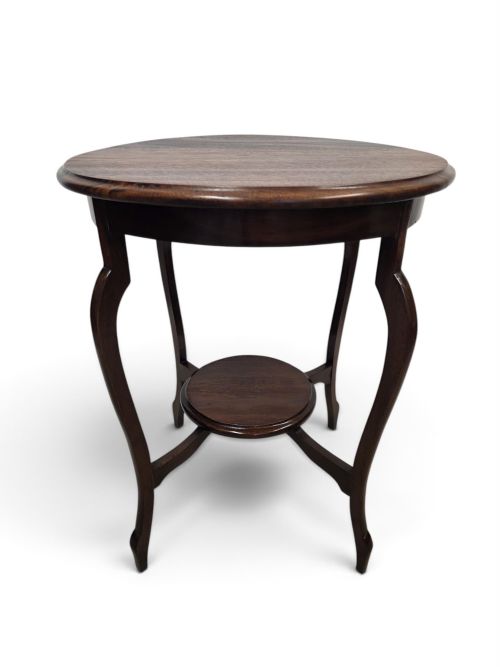
Vintage Mahogany Plant Table
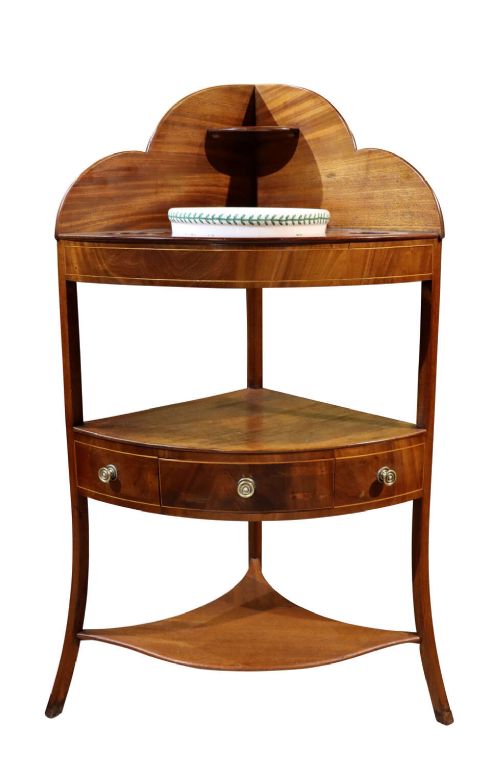
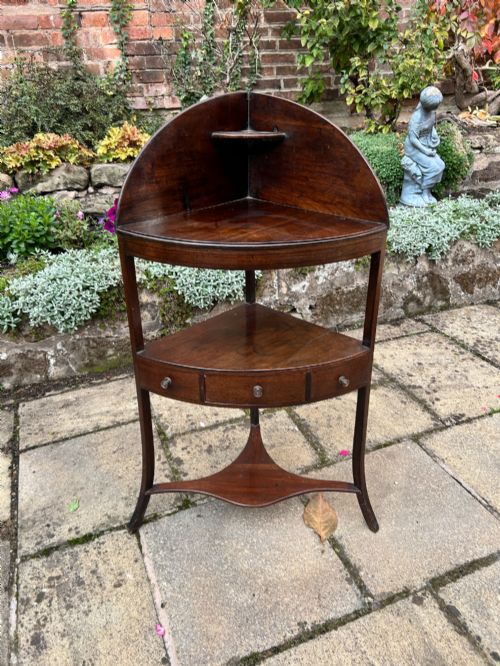
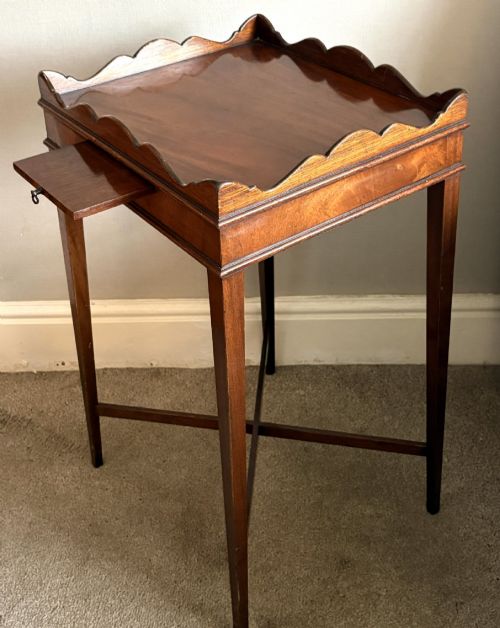
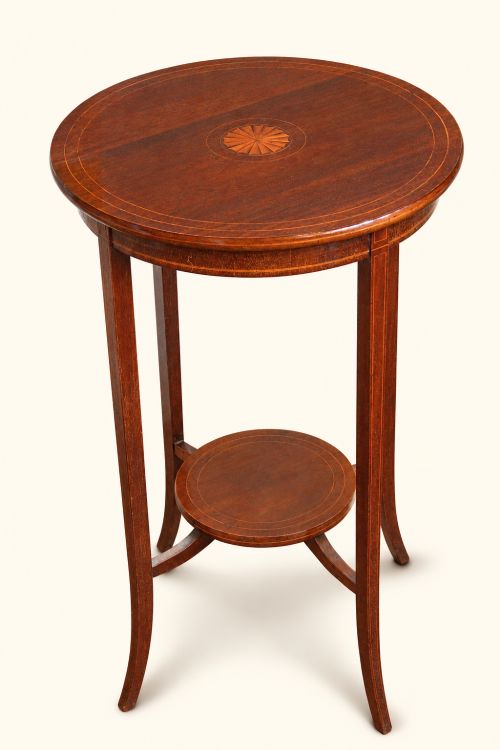
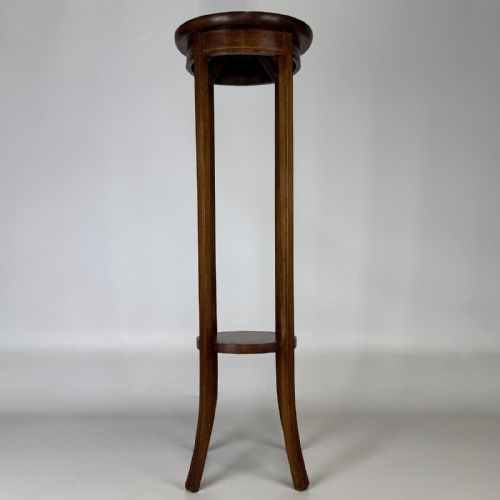
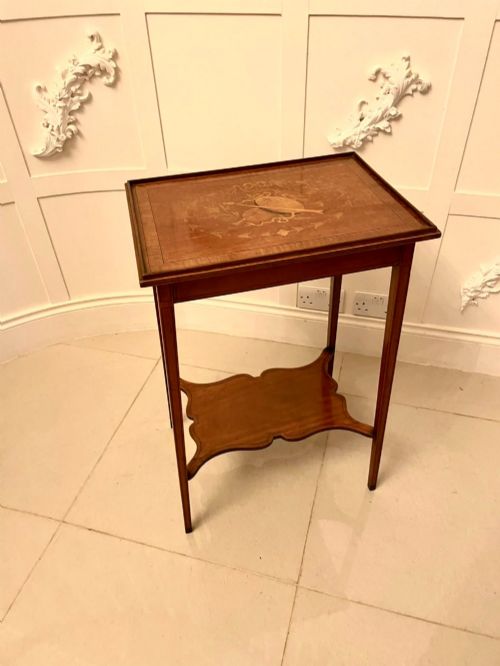
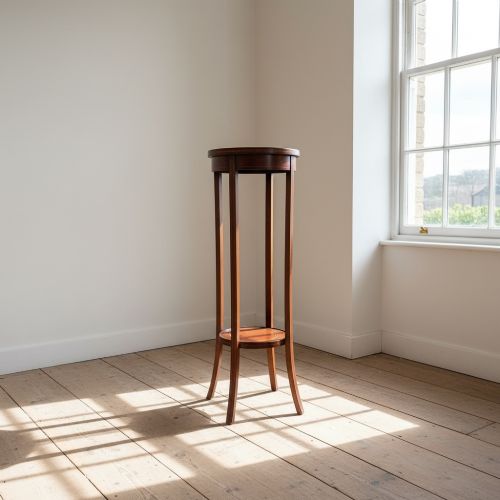
A vintage mahogany plant table brings warmth and functional surface space to a corner, often appearing as an Edwardian inlaid stand.
Vintage Mahogany Plant Table
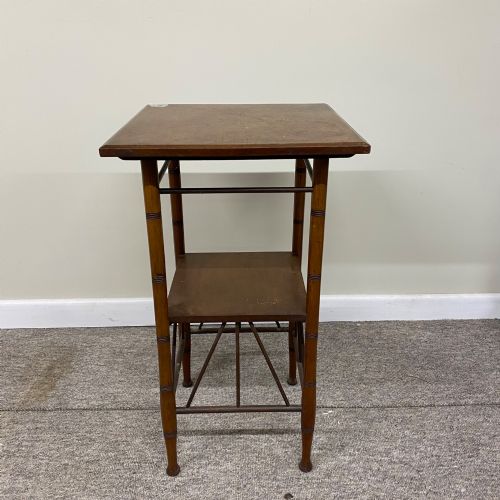
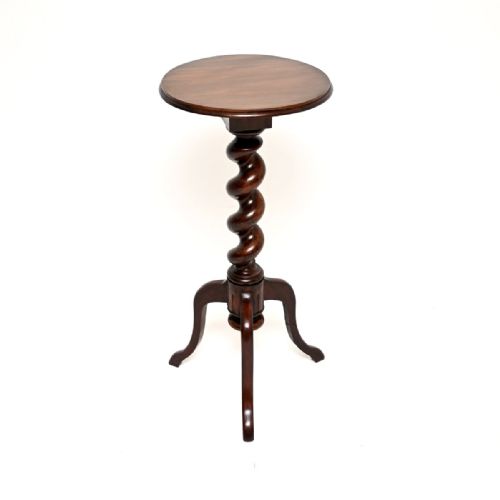
When you search for a vintage mahogany plant table, you encounter a variety of compact occasional surfaces, plant stands, and wine tables produced across the nineteenth and early twentieth centuries. The pieces on this page lean heavily toward the Edwardian period, featuring slender proportions and occasional brass or marble additions.
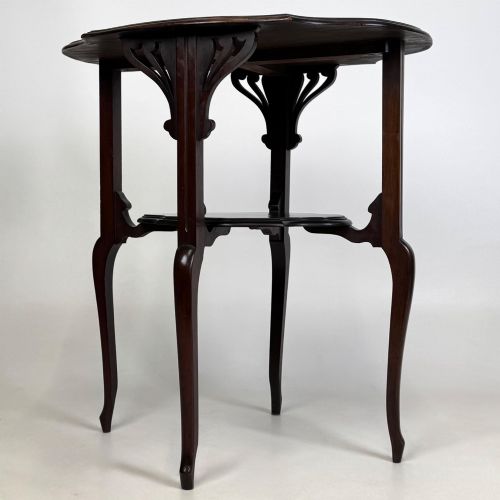
Makers and manufacturers of these smaller tables utilised mahogany timber alongside satinwood and boxwood inlay to create decorative items for domestic interiors. Alongside designated plant stands, listings frequently include lamp tables, wine tables, and two-tier occasional tables serving a similar footprint in a room.
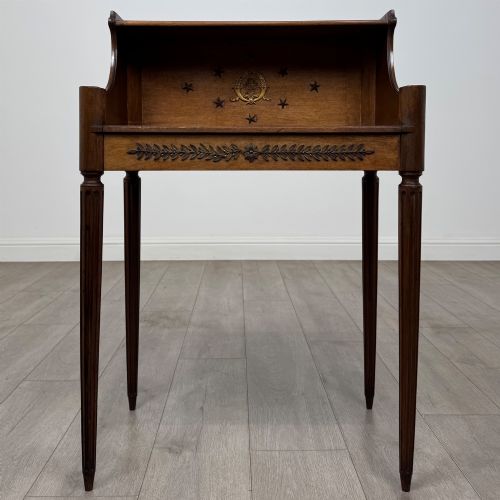
The styles range from straightforward Edwardian and Victorian utilitarian designs to revival aesthetics such as Sheraton Revival and French Empire. These smaller tables offer versatile placement options, functioning equally well as pedestals for foliage or as bedside and corner display furniture.
Materials and construction
Construction relies primarily on mahogany, sometimes paired with secondary hardwoods, satinwood, and boxwood inlay to define borders and tabletops. Cabinetmakers utilised traditional joining techniques to maintain stability in slender tripod bases and multi-tiered occasional furniture.
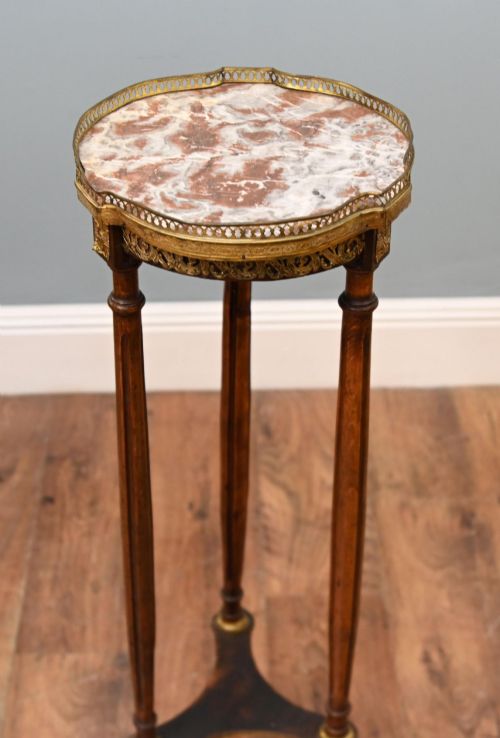
Surface embellishments include contrasting stringing, brass fittings, and inset marble tops seen on select Victorian and French-influenced examples. These material combinations provide both structural durability and decorative contrast across different periods.
Vintage Mahogany Plant Table Retail Price Guide 2026
Typical asking prices for vintage mahogany plant table among the pieces listed under this phrase on Sellingantiques today, from the lower quarter to the upper quarter. They describe what is for sale here now, not the wider market.
Listings span the Victorian, Edwardian, and Georgian periods, showcasing mahogany, satinwood, and marble.
Distinctions in quality
Quality in these tables is determined by the crispness of the inlaid details, the selection of figured mahogany timber, and the overall stability of the frame. Superior pieces demonstrate precise boxwood and satinwood inlay work rather than painted imitation motifs.
The integrity of the timber joints and the weight distribution in tripod or multi-tiered designs separate standard utilitarian pieces from finer workshop productions. Better examples maintain balanced proportions without relying on excessive reinforcement.
Druce And Co London·Shapland And Petter
The Vintage Mahogany Plant Table Glossary
- Mahogany
- A durable tropical hardwood prized for its reddish-brown colour and stability in furniture construction. It accepts polish well and forms the primary material for these tables.
- Inlay
- A decorative technique where contrasting woods like satinwood or boxwood are embedded into the primary mahogany surface. This creates geometric patterns or floral borders.
- Tripod base
- A three-legged support structure commonly found on wine tables and lamp stands. It provides steady contact on uneven floors.
- Occasional table
- A small, movable table designed for specific, temporary uses around a room. They appear frequently in various tier configurations.
- Torchere
- A tall, slender stand originally designed to hold a candle or light source. In later periods, these served primarily for displaying plants or decorative objects.
Vintage Mahogany Plant Table: Frequently Asked Questions
How were plant tables used originally?
These tables were placed in living rooms, hallways, and orangeries to elevate potted plants, lamps, or decorative ornaments. Their compact footprints allowed them to occupy tight corners and empty wall spaces.
Over time, owners adapted them for various functional uses beside seating or in entranceways, relying on their portability to rearrange rooms easily.
Are these tables suitable for modern homes?
Their slender proportions make them exceptionally practical for contemporary interiors where space is limited. They provide convenient surfaces for lamps, drinks, or greenery without dominating a room.
The classic mahogany tones also blend readily with both antique and modern decor schemes.
How do I identify an Edwardian piece?
Edwardian tables often feature lighter framing, delicate boxwood or satinwood stringing, and sometimes two-tier designs. They reflect the aesthetic preferences popular around the turn of the twentieth century.
Unlike heavier Victorian predecessors, Edwardian examples tend to prioritise grace and brightness in their mahogany grain.