




Vintage Magnifying Lens
These vintage magnifying lens examples combine utility with craftsmanship, offering tactile desk accessories that bring historic optical clarity to your study.
Vintage Magnifying Lens
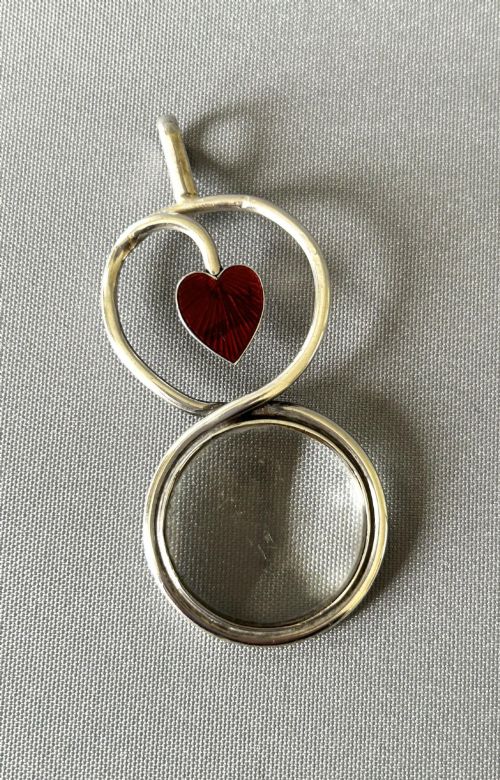
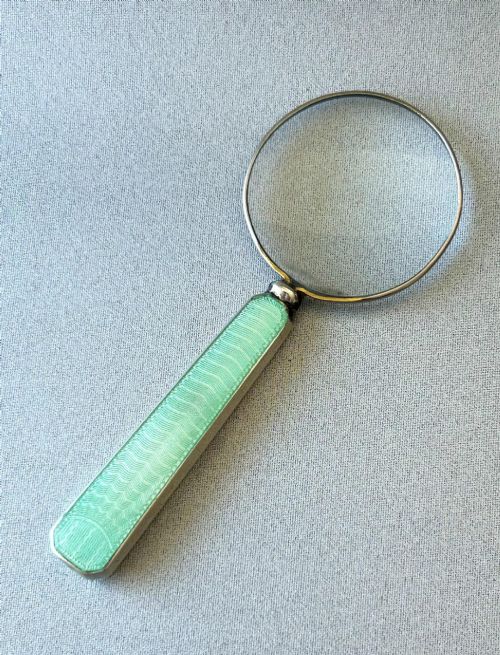
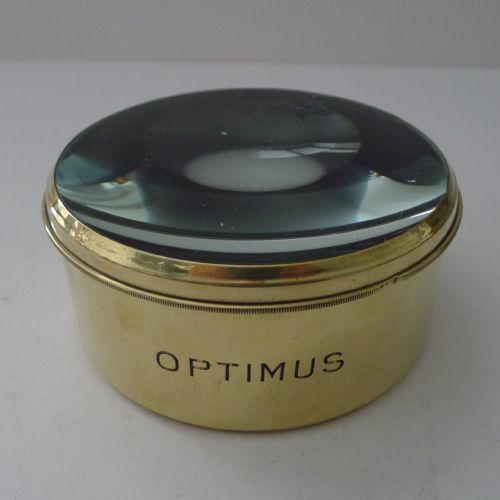
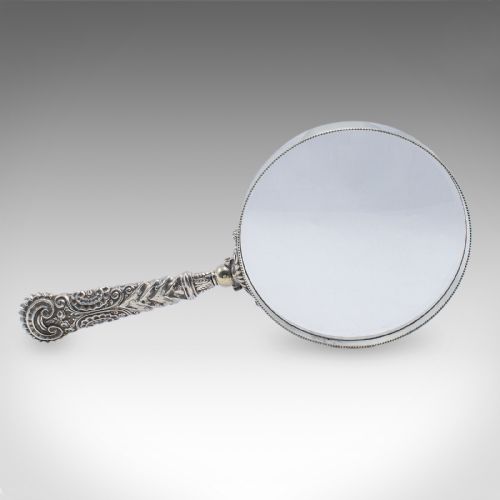
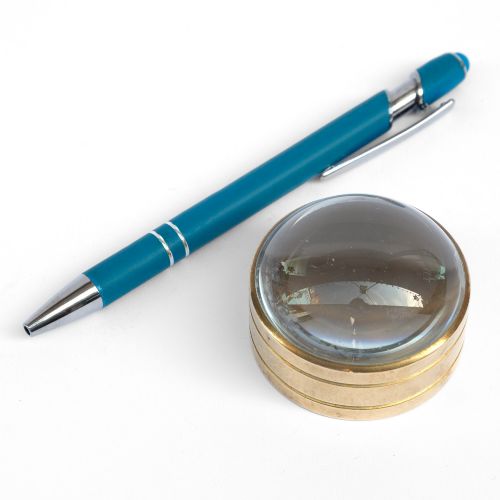
A vintage magnifying lens serves as both an optical instrument and a decorative desk accessory, originating from periods such as the Victorian era, the Edwardian years, and the Art Deco movement. These objects take the form of handheld readers, desk magnifiers, paperweights, and pivoting bullseye lenses.
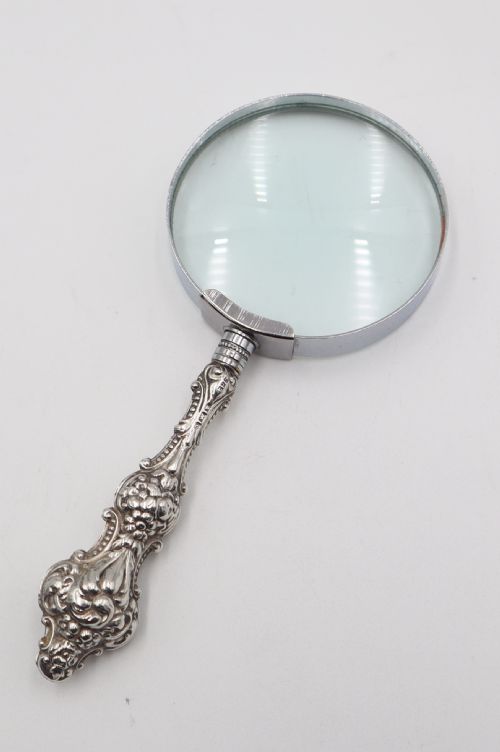
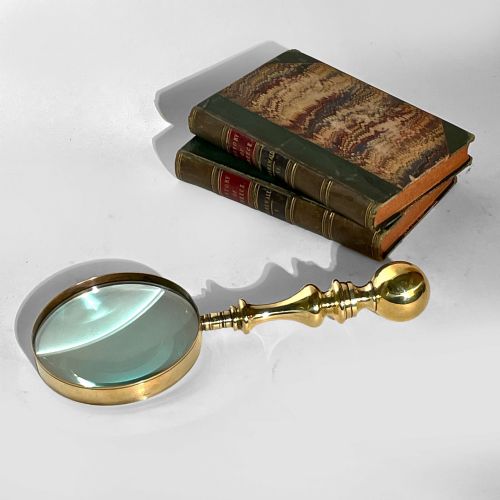
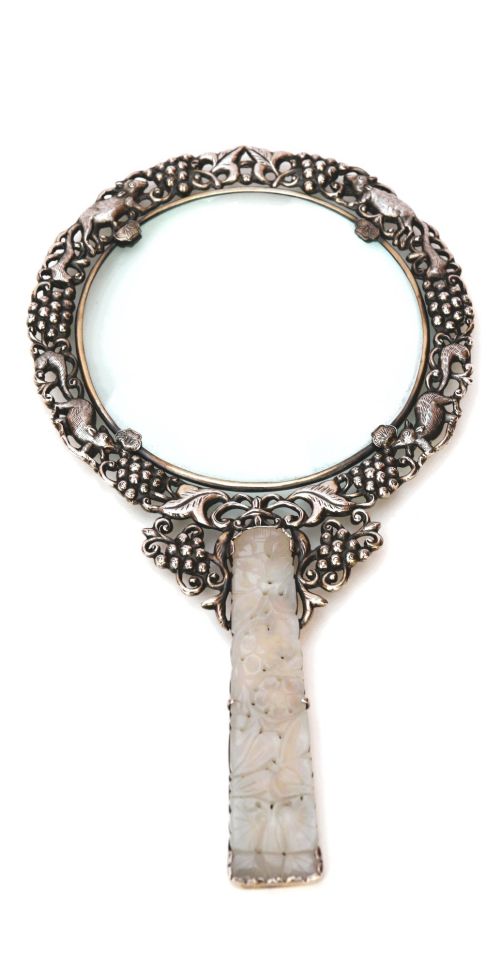
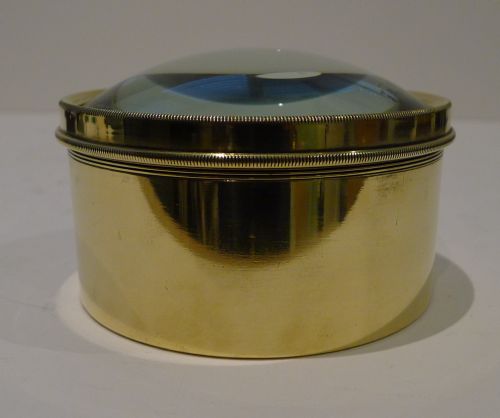
The versions most commonly found here include English brass desk models and sterling silver handled pieces from the early twentieth century. Materials range from traditional glass and brass to silver plate, sterling silver, shagreen, jade, leatherette, and celluloid.
Makers and retailers represented across the periods include Hermes, Mappin & Webb, Asprey, and Francis West of Fleet Street London. Styles stretch from Qing Dynasty items to Mid-Century Modern designs and Edwardian Arts and Crafts objects.
Materials and construction
Opticians and silversmiths shaped these pieces using glass lenses set into mounts of brass, sterling silver, or silver plate. Handles and frames frequently incorporate organic and luxury textures like shagreen, jade, and leatherette.
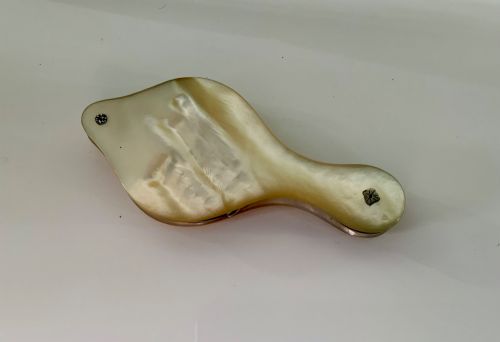
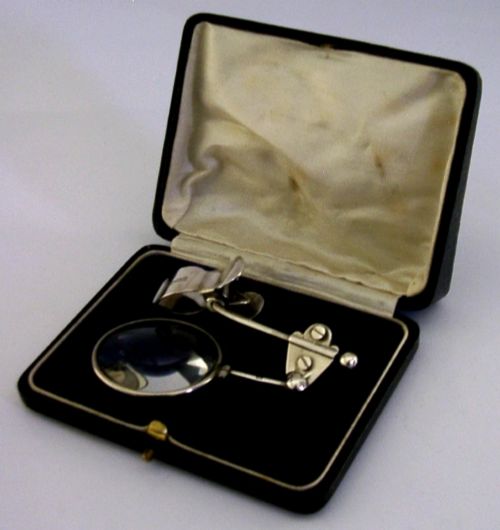
Construction techniques include brass mounting, pivoting stands, folding adjustments, and fitted cases by makers such as CW Dixey London. Metal components often bear hallmarks or stamps indicating city offices like Birmingham and London alongside specific dates from the nineteenth and twentieth centuries.
Vintage Magnifying Lens Retail Price Guide 2026
Typical asking prices for vintage magnifying lens among the pieces listed under this phrase on Sellingantiques today, from the lower quarter to the upper quarter. They describe what is for sale here now, not the wider market.
The listings encompass items spanning from the nineteenth century through the 1960s, featuring materials such as sterling silver, brass, shagreen, and jade.
Distinctions in quality
Quality rests on the clarity of the optical glass and the robustness of the mount, whether cast in heavy brass or fashioned from solid sterling silver. Superior examples feature refined details such as fine shagreen wrapping, smooth pivoting mechanisms, and maker signatures from established houses.
Lesser pieces rely on simpler silver plating or basic brass mountings without maker marks. The integration of precious materials like jade or specialised lens constructions, including Stanhope lenses and thumb magnifiers, elevates the standing of an individual piece.
Hermes Paris·Mappin & Webb·Asprey·Francis West·CW Dixey London·P H Vogel & Co
The Vintage Magnifying Lens Glossary
- Stanhope Lens
- A type of cylindrical lens that yields a microscopic photograph viewable by looking through one end. This optical innovation appears in specialised nineteenth-century items.
- Shagreen
- Undyed sharkskin or rayskin used to cover the handles and frames of luxury desk accessories during the Art Deco period. It provides a distinct granular texture.
- Bullseye Lens
- A thick, hemispherical glass lens mounted on a stand or pivot for desk use. These items concentrate light and magnify text beneath them.
- Hallmark
- An official stamp applied to precious metals indicating the standard of silver, the assay office, and the date letter. Birmingham and London marks frequently appear on these silver mounts.
- Thumb Magnifier
- A small magnifying glass designed to be held securely by the thumb for detailed tasks such as fly fishing or reading small print. These items combine portability with optical utility.
Vintage Magnifying Lens: Frequently Asked Questions
How do I date a vintage magnifying lens?
Dating relies on stylistic markers associated with periods like Victorian, Edwardian, and Art Deco, alongside any accompanying maker marks. Silver mounts frequently carry hallmarks with specific date letters.
Material choices, such as the use of shagreen in the interwar period or celluloid in the nineteenth century, also help narrow down the decade of production.
What is the difference between a desk magnifier and a hand magnifier?
Desk magnifiers generally feature heavier brass, weighted bases, or pivoting bullseye stands designed to sit permanently on a library table or desk. Many double as paperweights.
Hand magnifiers incorporate handles made from silver, shagreen, or celluloid, intended for picking up and holding over maps, books, or documents.
How should I clean a vintage silver magnifying glass?
Silver mounts require gentle cleaning with a soft cloth to preserve the patina and any engraved details. Avoid using harsh abrasive polishes that might scratch the metal or surrounding materials.
Glass lenses should be wiped carefully with a dedicated lens cleaner to prevent residue buildup on the historic optical surface.
Are these lenses still usable for reading?
Most vintage lenses retain their original optical clarity and function effectively for reading small text or examining fine details. Their historical glass provides a genuine magnification experience.
Collectors often place them on desks to use daily alongside their decorative appeal in a study or library.