


Vintage Magnifying Glass
A vintage magnifying glass brings functional optics to the desk, offering a tactile lens for reading, writing, and inspection.
Vintage Magnifying Glass
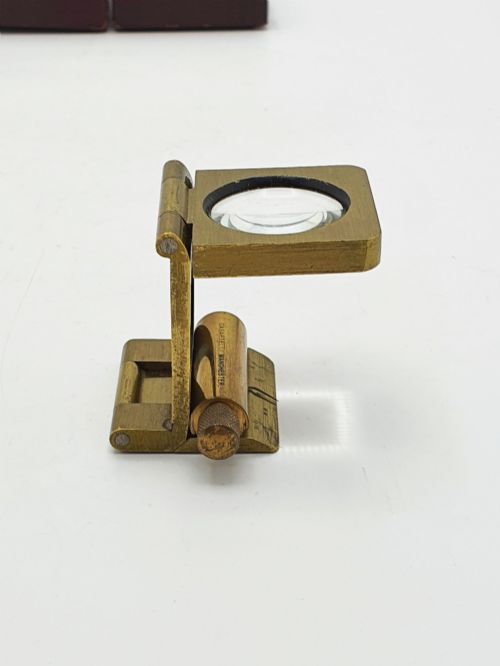
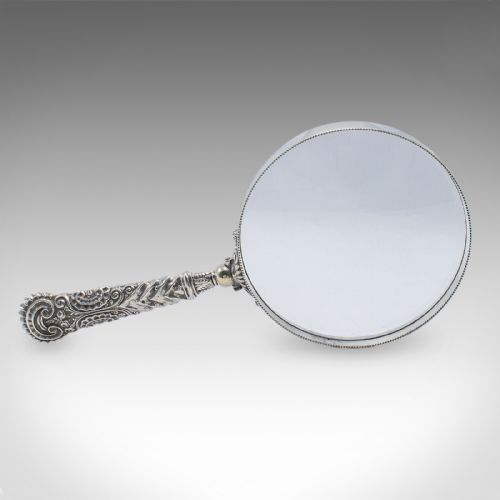
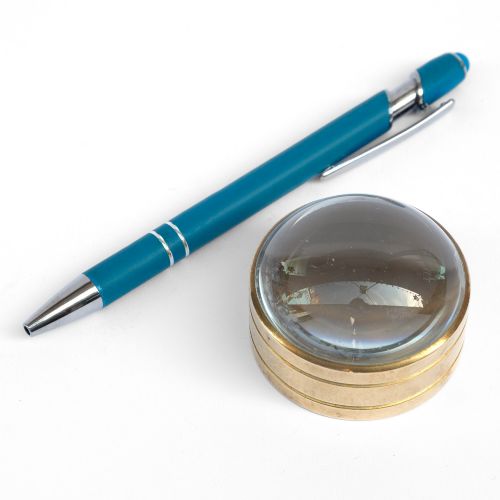
A vintage magnifying glass sits among desk accessories and library aids, taking forms from simple pocket magnifiers to large desk-top lenses. Buyers searching for a vintage magnifying glass encounter handheld designs, folding linen testers, and heavy reading glasses intended for daily use.
The pieces on this page span the Victorian and Edwardian eras, through the Interwar period and Art Deco styles, up to Mid-Century Modern designs. English makers and Parisian fashion houses produced these objects for practical study and refined desk decoration.
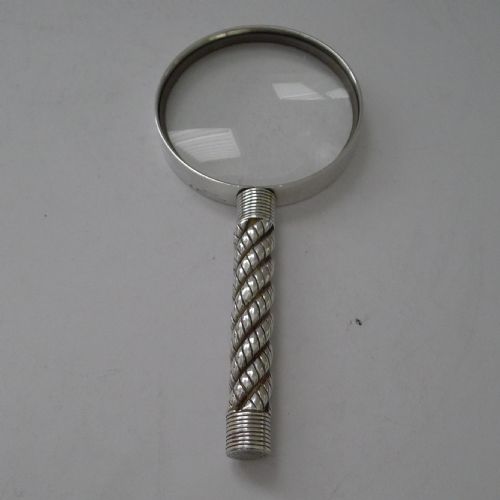
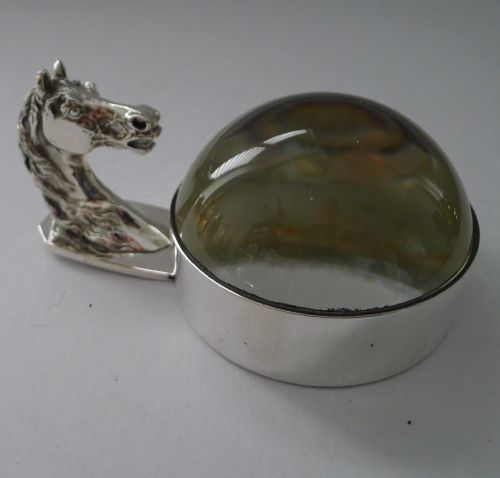
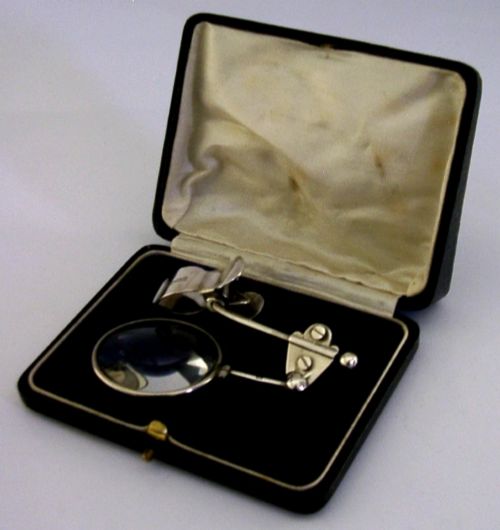
Most examples combine optical glass with mounts of brass, sterling silver, or silver plate. Alongside standard handheld readers, the selection includes specialised optics such as lorgnettes, optical mirrors, and thumb magnifiers.
Materials and Construction
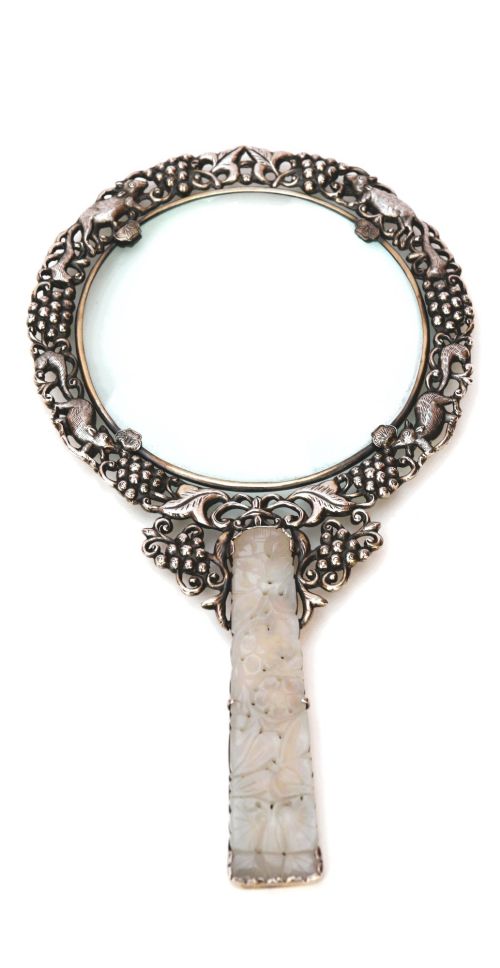
Opticians and silversmiths shaped these tools from clear glass fitted into metal frames of brass, silver plate, or sterling silver. Handles and mounts often incorporate organic and exotic materials such as shagreen, jade, horn, and velvet.
Makers utilised guilloche enamel for colourful decoration on silver handles, while leatherette and celluloid protected portable versions. Structural joints included pivoting brass mounts and folding mechanisms for adjustable desk lenses.
Anglers can inspect their catches with a sterling silver thumb magnifier designed specifically for fly fishing.
Distinctions in Quality
Quality rests in the clarity of the optical glass and the weight of the metal mounting. Solid brass frames and heavy sterling silver settings demonstrate superior substance compared to lighter plated alternatives.
Refinement shows in the choice of handle materials, from finely worked shagreen and guilloche enamel to carved jade. The precision of mechanical joints, such as pivoting stands and folding frames, distinguishes standard output from exceptional workshop production.
Hermes Paris·Casartelli Manchester·Broadway And Co·Thomas Rubergall·Mappin And Webb·P H Vogel And Co·Francis West·CW Dixey London·C Baker London
The Vintage Magnifying Glass Glossary
- Linen Tester
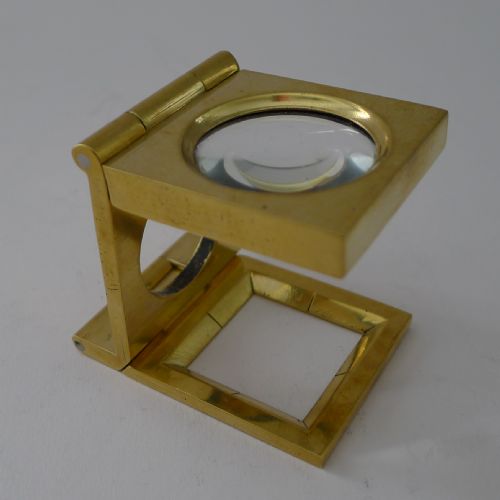
- A small folding magnifying glass used in the textile trade to inspect the weave of fabric. It typically includes a measuring scale at the base.
- Lorgnette
- A pair of spectacles or optical lenses held by a long handle rather than fitted over the ears. They appear in Art Deco platinum and diamond formats.
- Guilloche
- A decorative technique where a precise, intricate pattern is mechanically engraved beneath translucent enamel. It frequently decorates silver handles from the Interwar period.
- Shagreen
- Undyed skin from shark or ray, dried and finished with a granular texture. It provides a distinctive tactile grip on luxury desk accessories.
- Stanhope Lens
- A cylindrical optical lens that produces a microscopic photograph visible through one end. Francis West produced notable examples of this form.
Vintage Magnifying Glass: Frequently Asked Questions
How do I date a vintage magnifying glass?
Dating relies on hallmarks stamped into the silver mounts, maker signatures engraved on the metal frame, and stylistic traits such as Art Deco geometric lines or Victorian ornamentation.
Material choices, including the presence of early plastics like celluloid or luxury finishes like shagreen, also point to specific manufacturing decades.
What were linen testers used for?
Linen testers served as portable tools for merchants and manufacturers to count threads within a specific square of fabric.
Their folding frames and built-in measuring scales allowed for precise quality control in textile trade and printing.
Are these lenses still useful for reading?
Glass lenses from the Victorian, Edwardian, and mid-century periods retain their optical power and provide clear magnification for reading fine print or examining small objects.
Desk models with pivoting stands offer hands-free support for prolonged inspection work.
How should I clean a silver handle?
Sterling silver and silver plate benefit from gentle cleaning with a soft microfibre cloth to remove dust without disturbing any aged patina.
Avoid letting harsh polishes touch fitted materials such as enamel, shagreen, or glass lenses.