



Vintage Magnifying Glass Desk
A vintage magnifying glass desk accessory brings practical optical clarity and tactile period charm to a working workspace.
Vintage Magnifying Glass Desk
A vintage magnifying glass desk object serves as both a functional optical aid and an item of desk furniture, appearing across several distinct design eras. Buyers seeking a vintage magnifying glass desk piece encounter items ranging from Victorian library aids to mid-century specimens.
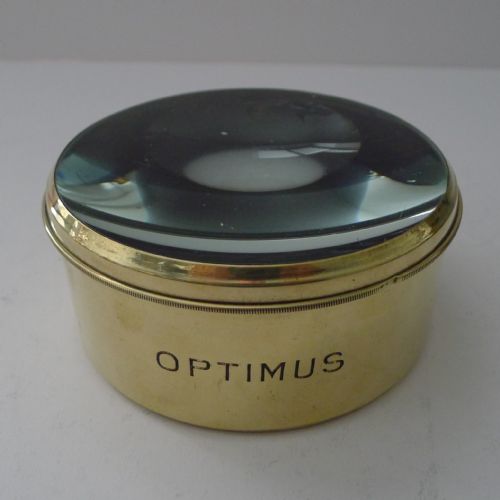
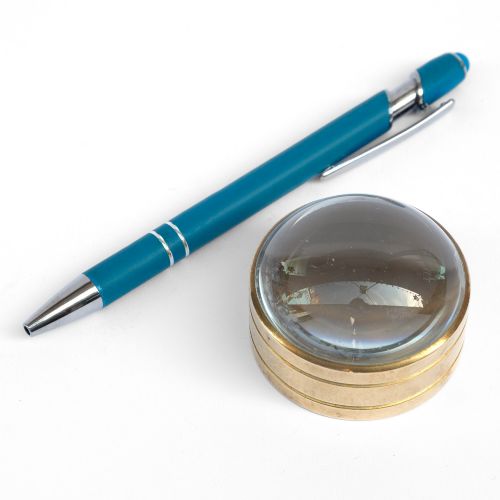
The selection includes standing lenses, folding designs, and handheld implements intended for library and desktop use. Forms vary from simple brass-mounted bullseye lenses to elaborate articulated stands and combined paperweights.
Origins span English workshops, London makers, and continental houses such as Hermes in Paris. Materials reflect the utilitarian or decorative intent of each period, bridging optical science and interior styling.
Materials and Construction
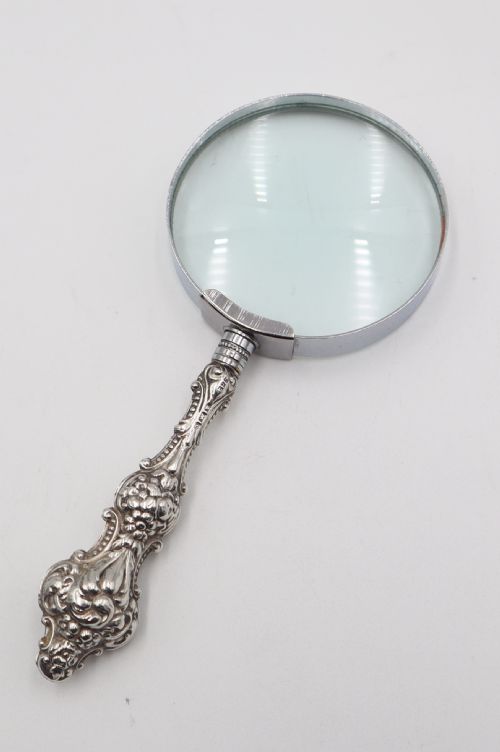
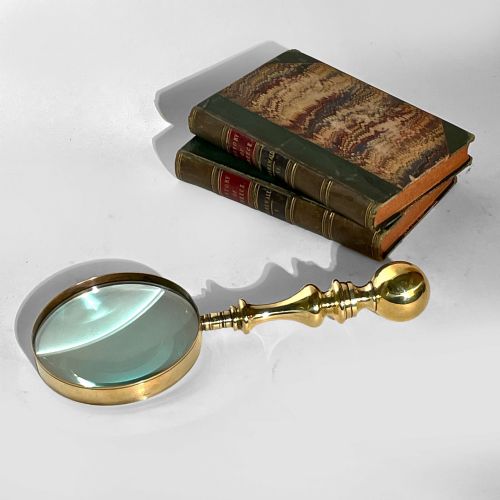
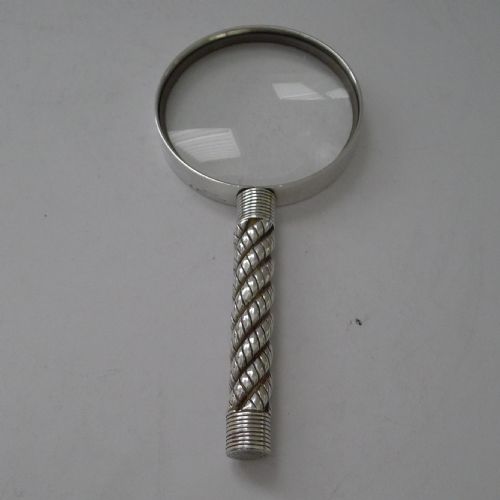
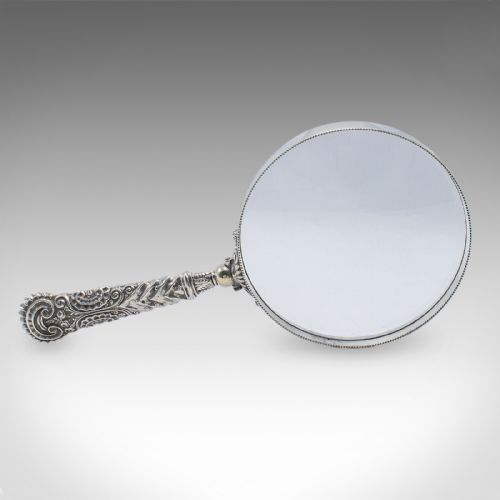
Construction relies on clear optical glass set into mounts of brass, sterling silver, or silver plate. Artisans combined heavy metals to provide the necessary counterweight for stable desk positioning.
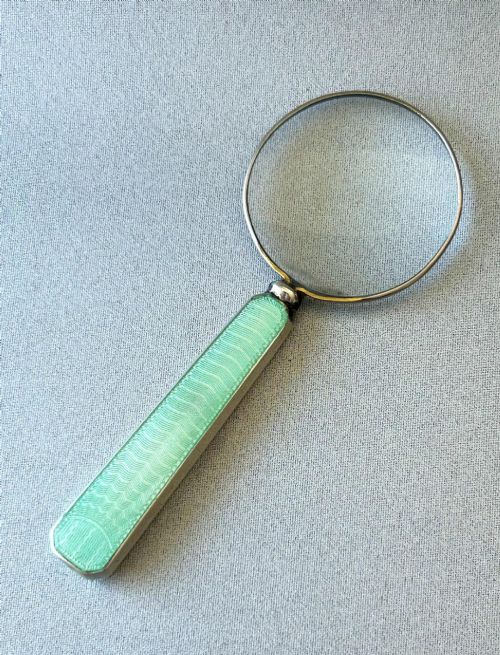
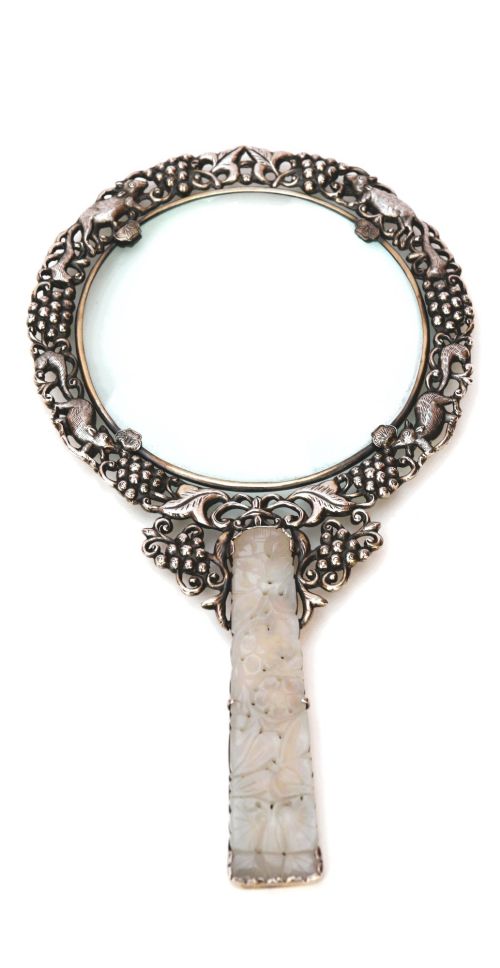
Luxury examples incorporate organic and decorative elements including shagreen, carved jade, guilloché enamel, and rosewood. Handles and stands often demonstrate precise metalworking and patent mechanical joints for pivoting or folding actions.
Vintage Magnifying Glass Desk Retail Price Guide 2026
Typical asking prices for vintage magnifying glass desk among the pieces listed under this phrase on Sellingantiques today, from the lower quarter to the upper quarter. They describe what is for sale here now, not the wider market.
Listings incorporate materials spanning glass, brass, sterling silver, jade, enamel, and shagreen across multiple design periods.
Standards of Execution
Quality separates through the optical clarity of the lens and the integrity of its mount. Superior examples maintain firm joints in pivoting stands and secure seating within bezels.
The choice of materials dictates the tier of the object, moving from utilitarian brass to precious metals paired with shagreen or enamel. Maker attribution adds distinction to documented pieces.
Hermes Paris·Broadway And Co·Thomas Rubergall·Mappin And Webb·Francis West·Cw Dixey
The Vintage Magnifying Glass Desk Glossary
- Bullseye lens
- A thick, rounded magnifying glass designed to gather and focus light onto text or objects.
- Guilloché enamel
- A decorative technique involving precise mechanical patterns overlaid with translucent coloured enamel.
- Shagreen
- Undyed sharkskin or ray skin prized for its distinctive pebbled texture on luxury handles and cases.
- Stanhope lens
- A cylindrical optical lens that reveals a microscopic photograph when held to the eye.
Vintage Magnifying Glass Desk: Frequently Asked Questions
How do I use a desk magnifier?
Place standing models directly onto documents or maps for hands-free reading. Articulated or pivoting versions allow adjustment of the lens angle.
Keep lenses clean using a soft cloth to maintain optical clarity during daily desk tasks.
What periods do these glasses represent?
The selection spans from the early nineteenth century through the Victorian and Edwardian eras into the Art Deco period and mid-century modern design.
Each decade introduces specific material choices, transitioning from heavy brass library instruments to refined shagreen and silver luxury accessories.
Are these items functional?
Original optical glass provides genuine magnification for reading small print, examining fine details, or studying maps. Desk stands and heavy bases stabilize the lens for practical everyday use.
Many pieces double as functional paperweights while retaining their optical purpose.
How are different eras identified?
Stylistic cues such as Art Deco geometric lines, Edwardian silver hallmarks, or Victorian brass construction point toward specific manufacturing decades. Maker signatures and patent names stamped into the metal also date the object.
Materials like celluloid, shagreen, and jade align closely with the prevailing decorative tastes of their respective periods.