




Vintage Lucky Charm
These vintage lucky charm pieces bring talismanic motifs into wearable form, offering miniature gold and enamel tokens designed to secure good fortune.
Vintage Lucky Charm
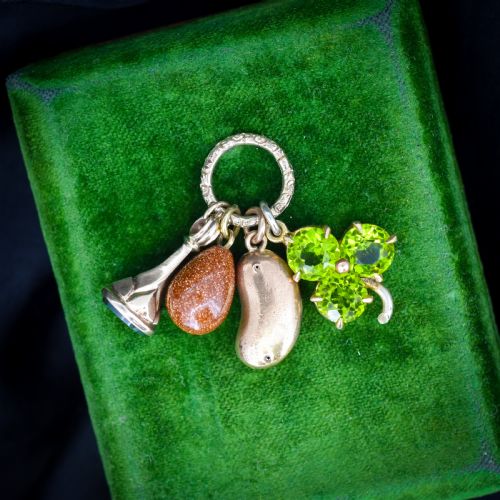
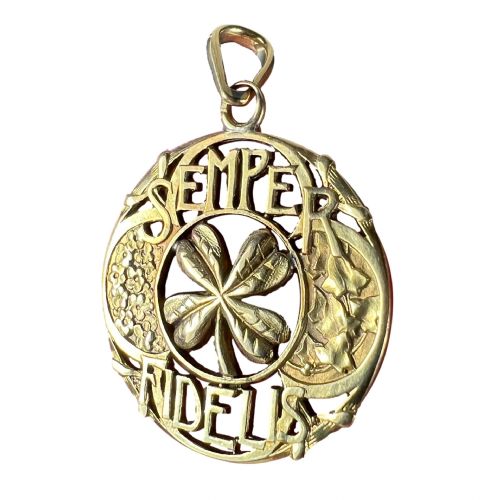
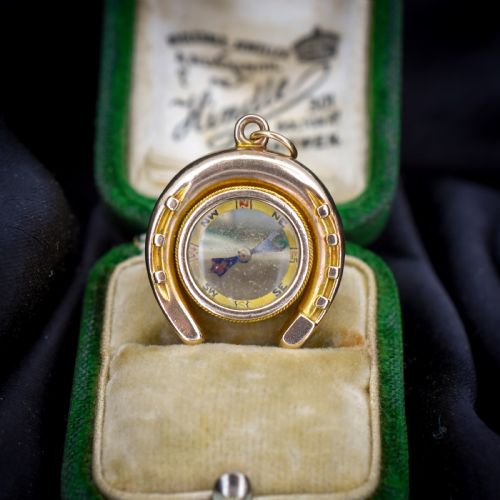
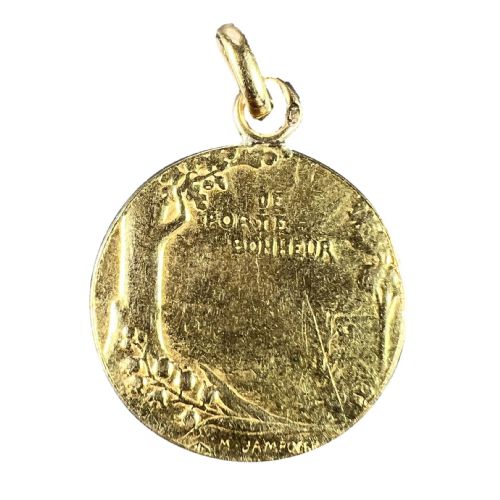
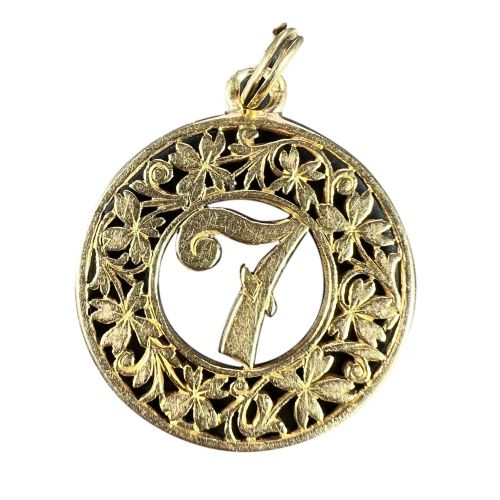
A vintage lucky charm selection brings together small wearable pendants and charms spanning the nineteenth century through the mid-century period. Buyers examining this category encounter items designed to attract good fortune, featuring motifs such as horseshoes, four-leaf clovers, gambling cards, and lucky numbers. The selection includes items shaped from yellow gold and silver, alongside occasional oil paintings that depict traditional symbols of luck like lily of the valley.
Most examples originate from British and French makers, covering Victorian, Edwardian, Art Nouveau, Art Deco, and mid-century modern aesthetic movements. Forms range from simple split rings laden with multiple miniature charms to intricate pendants set with enamel, hardstone, pearls, and diamonds. The pieces reflect a long tradition of talismanic jewellery worn to ward off misfortune and celebrate positive outcomes.
Materials and construction methods
Goldsmiths constructed these items primarily in yellow gold, utilising ten-carat, eighteen-carat, and nine-carat standards alongside silver and gold gilt bases. Metals were cast, engraved, and polished to create detailed miniatures of pigs, bugles, and horseshoes. Split rings and suspension loops were soldered securely to withstand daily wear as pendants or fob attachments.
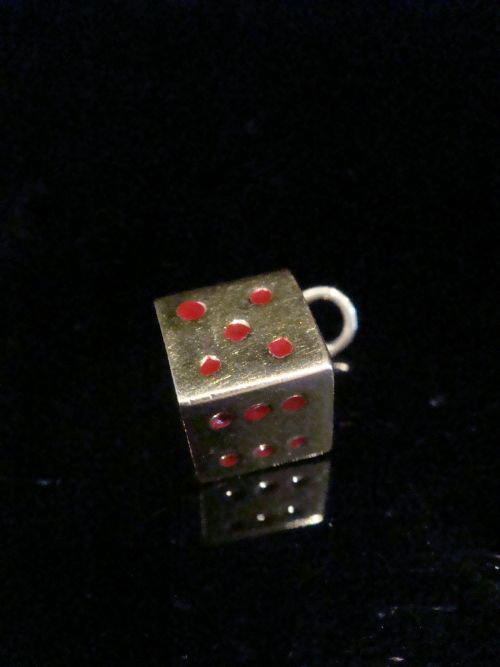
Colour was frequently introduced through vitreous enamel applied in red, green, and other tones to highlight gambling cards, dice faces, and clover leaves. Master artisans also incorporated organic materials such as shagreen and hardstone, alongside small diamonds and pearls flush-set into gold surfaces.
Listings feature yellow gold, eighteen-carat gold, silver, enamel, and hardstone across Victorian, Edwardian, Art Deco, and mid-century periods.
Factors determining quality
Material composition heavily dictates value and execution, with heavier eighteen-carat gold frameworks and the integration of precious gemstones like pearls and diamonds marking higher-tier items. The sophistication of the overall design, such as a compass working correctly inside a horseshoe pendant or multi-part articulated charms, distinguishes master craftsmanship from simpler mass-market production.
The Vintage Lucky Charm Glossary
- Split ring
- A circular double-coiled metal band used to secure multiple charms or pendants. It operates on the same principle as a modern key ring.
- Enamel
- A glassy substance melted onto metal at high temperatures to add permanent colour. It appears frequently on charms depicting cards and dice.
- Shagreen
- Untanned skin with a rough, granular surface, historically prepared from shark or ray skin. It provides a distinct textured background for gold pendants.
- Hardstone
- Semi-precious stones cut and polished for jewellery use, rather than faceted like gemstones. These stones often form the body of figurative charms.
- Fob
- A small ornament or seal attached to a pocket watch ribbon or chain. Many early charms originated as watch fobs before transition to necklaces.
Vintage Lucky Charm: Frequently Asked Questions
What materials are these vintage lucky charm pieces made from?
The pieces utilise various metals including silver, gold gilt, and yellow gold ranging from nine to eighteen carats. Many items incorporate secondary materials such as vitreous enamel, hardstone, shagreen, pearls, and diamonds.
Craftsmen selected these materials to ensure durability while maintaining a bright, appealing finish for items meant to be worn daily.
How do I date a vintage lucky charm?
Dating relies on stylistic markers from periods like the Victorian, Edwardian, Art Deco, and mid-century eras, alongside specific motifs popular in particular decades. Hallmarks stamped onto the gold or silver components provide official assay office marks and date letters.
Examining the construction methods, such as hand-engraving versus machine stamping, also helps determine the approximate decade of manufacture.
Were these charms originally worn on bracelets or necklaces?
Historical evidence shows these items serving multiple functions, appearing both clustered on split rings as charm bracelets or hung individually as pendant necklaces. Some early pieces functioned as watch fobs suspended from waistchains before transitioning to neckwear.
The inclusion of loops and split rings allowed owners to transfer them between different chains and bracelets according to fashion.
What symbols are most common on these charms?
Horseshoes, four-leaf clovers, and lucky numbers dominate the designs, reflecting traditional European folklore associated with attracting good fortune. Other frequent motifs include playing cards, dice, pigs, and botanical elements like lily of the valley.
These symbols carried specific meanings of prosperity, wealth, and protection that appealed strongly to buyers across the nineteenth and twentieth centuries.