




Vintage Low Console
These vintage low console pieces bring together low-slung utility and period timber, offering a grounded surface for display.
Vintage Low Console
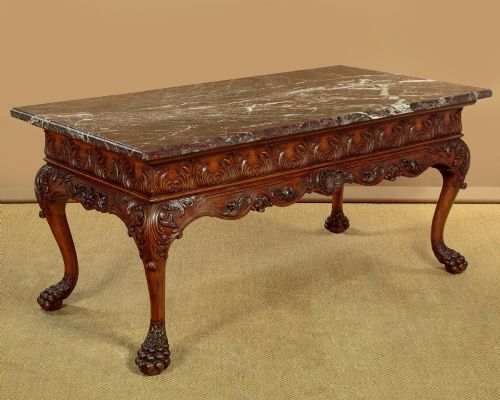
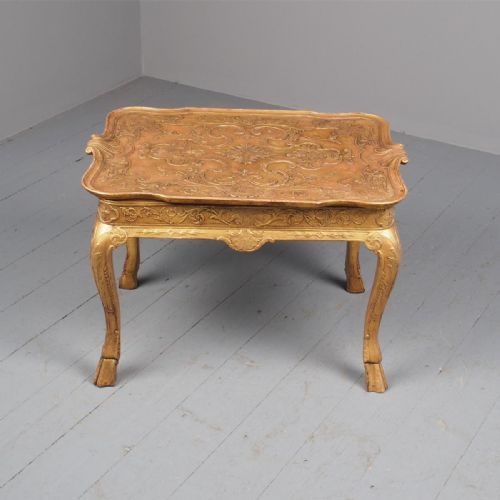
When you search for a vintage low console, you are looking at a diverse group of low-level furniture forms spanning centuries and continents. The selection ranges from 18th-century oak dresser bases and Queen Anne lowboys to 1930s commercial side tables, Art Deco bookcases, and French oak display tables.
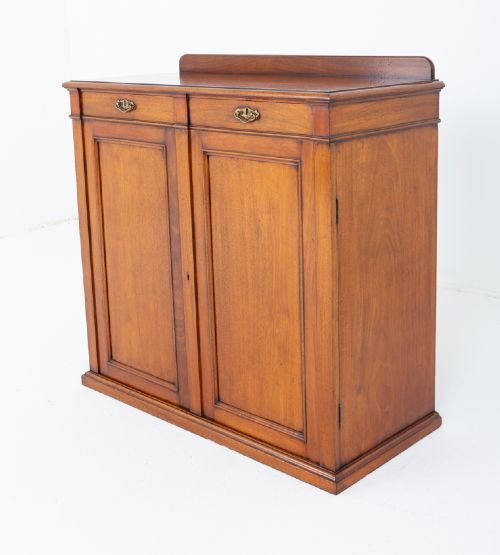
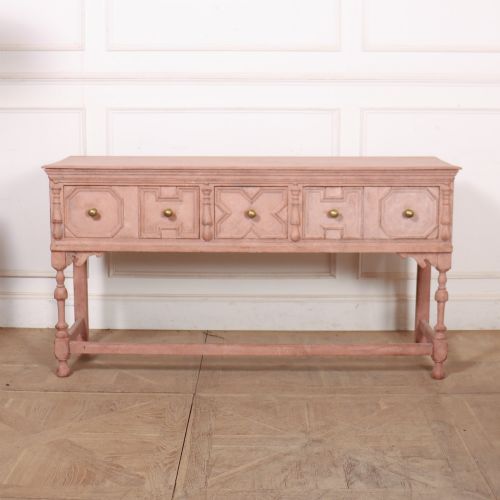
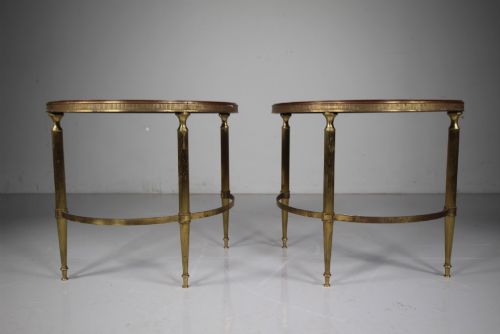
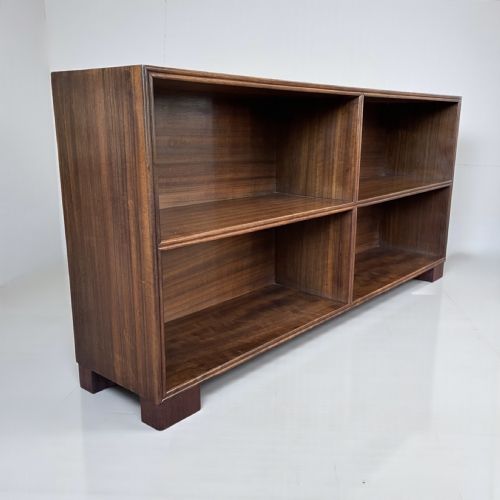
The versions you are most likely to meet on this page include sturdy timber sideboards, low side tables with marble or wood tops, and practical low-slung cabinets. These items originate from periods such as the Victorian era, the 1930s, and the 19th century, drawing on styles like English Country, French Provincial, and George II Revival.
Each piece serves a distinct function rooted in its original purpose, whether as a shop display table, a village dining surface, or a domestic serving table. Their shared characteristic is a low profile that suits modern interior layouts while retaining traditional craftsmanship.
How they were made
Makers utilised solid timbers such as mahogany, oak, walnut, cherrywood, teak, and painted wood to construct these low consoles. Cabinetmakers shaped structural frames and surfaces using traditional joinery appropriate to the period, whether working on a George I style giltwood table or a Victorian mahogany side cupboard.
Surface finishes range from natural wood grains to layered paint work and giltwood. Certain pieces integrate supplementary materials like marble tops, brass fittings, and leather inserts to enhance durability and appearance.
Vintage Low Console Retail Price Guide 2026
Typical asking prices for vintage low console among the pieces listed under this phrase on Sellingantiques today, from the lower quarter to the upper quarter. They describe what is for sale here now, not the wider market.
Listings feature items from the 18th, 19th, and 20th centuries, utilising oak, mahogany, walnut, and marble.
What varies in quality
Quality in these low consoles rests upon the selection of timber, such as figured burr walnut or dense mahogany, and the integrity of the original construction. Superior examples exhibit refined proportions, careful joinery, and well-preserved surface patination that reflect the maker's skill.
Distinction also arises from the purity of stylistic execution, whether in the carved details of a Queen Anne lowboy or the balanced lines of an Art Deco bookcase by a named maker. Alterations to original surfaces or replaced hardware lower the standing of a piece within the range.
Maurice Adams
The Vintage Low Console Glossary
- Lowboy
- A traditional English low table with drawers, typically standing on four legs, often used as a dressing table or side table.
- Dresser Base
- The lower section of a traditional dresser, featuring cupboards and drawers beneath a flat top surface.
- Demi Lune
- A half-moon shape used for console tables designed to sit flush against a wall.
- Giltwood
- Wood that has been coated with gold leaf or a gold-coloured finish.
- Patina
- The surface sheen and colour developed by wood and other materials through age and use.
Vintage Low Console: Frequently Asked Questions
What is a vintage low console?
A vintage low console is a low-height furniture piece gathered from various historical periods, functioning as a side table, dresser base, or display table. These items provide a practical surface while displaying traditional period characteristics.
They bridge historical cabinet-making and contemporary interior needs by offering compact, ground-level utility.
How do I date a low wooden table?
Dating relies on identifying the primary timber, construction techniques, and stylistic markers specific to eras like the Georgian period, Victorian times, or the 1930s. Tool marks and joinery methods reveal the period of manufacture.
Comparing the decorative vocabulary, such as Art Deco geometry or Queen Anne cabriole legs, helps narrow the decade.
Where were low console tables used?
Original contexts varied widely, from French tailors' shops and Burmese village settings to English country houses and commercial establishments. They acted as serving tables, display surfaces, and storage units.
Today, buyers adapt them for living rooms, hallways, and dining spaces as media stands or accent furniture.
How do I care for antique timber furniture?
Maintenance involves keeping wooden surfaces away from direct sunlight and extreme temperature fluctuations that cause timber to split. Regular dusting with a dry cloth preserves the finish.
Occasional application of appropriate wax feeds the wood without building up a heavy, dull residue.