


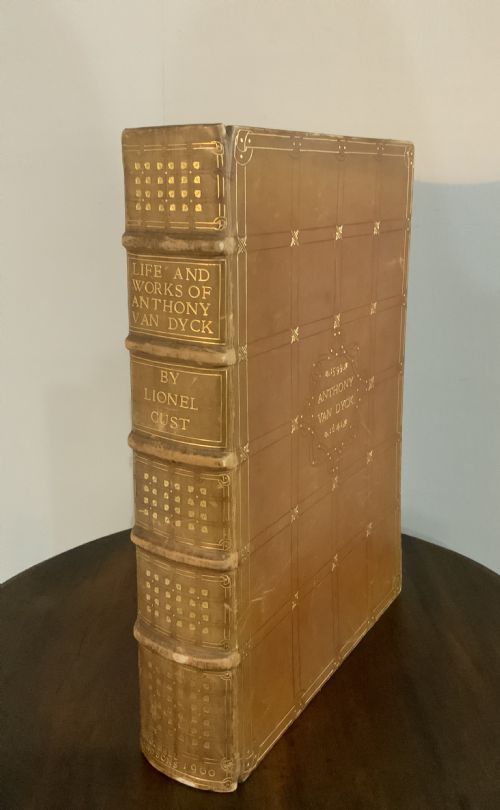

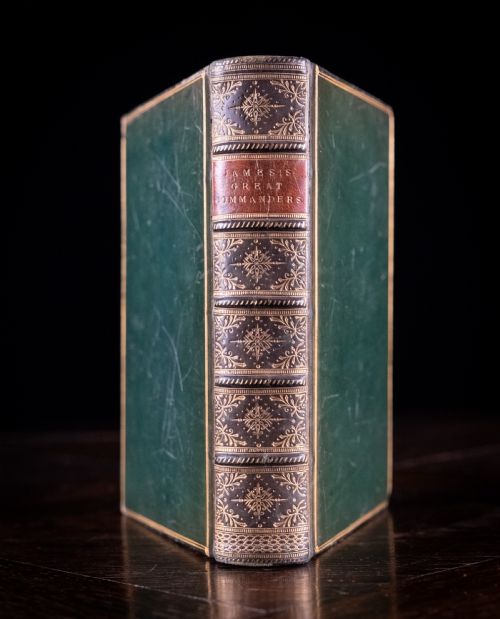


Vintage Leather Library Books
These vintage leather library books bring tactile weight and historical depth to a room, offering tactile historical character.
Vintage Leather Library Books
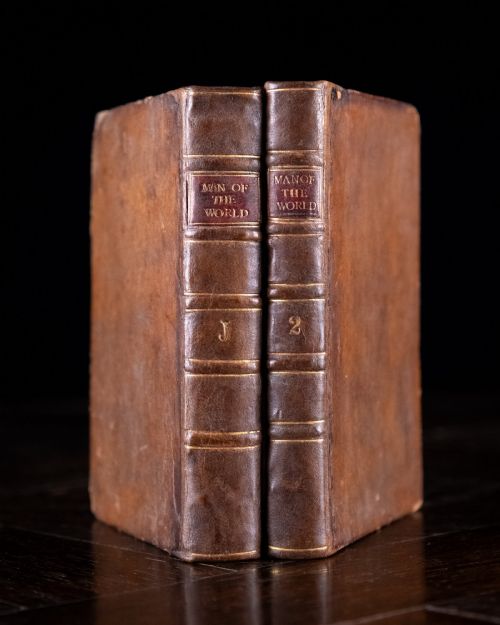
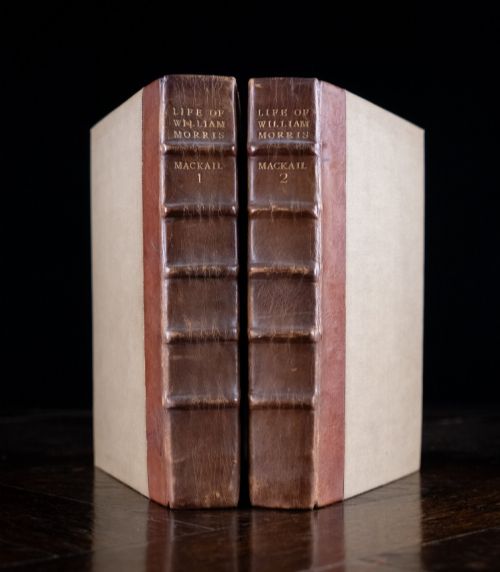
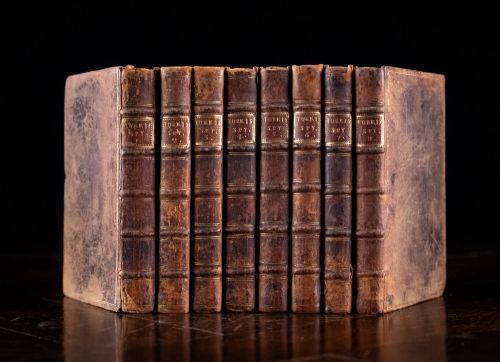
When searching for vintage leather library books, buyers encounter a mix of single volumes, multi-volume sets, and literary works spanning the eighteenth to the early twentieth century. The selections range from individual biographies and poetry to extensive runs of Waverley novels, historical accounts, and classic plays.
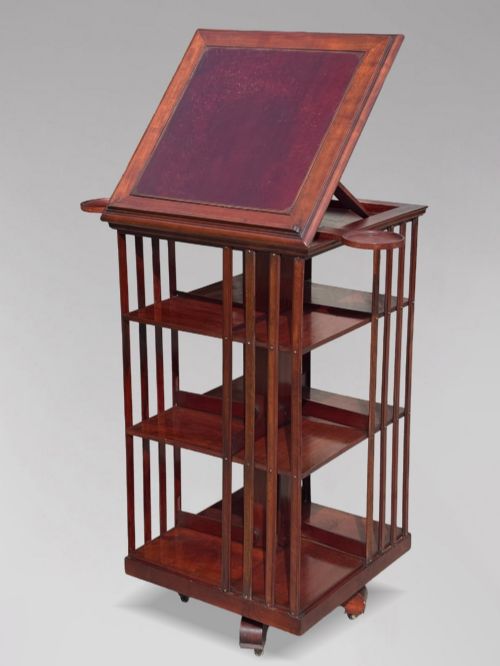
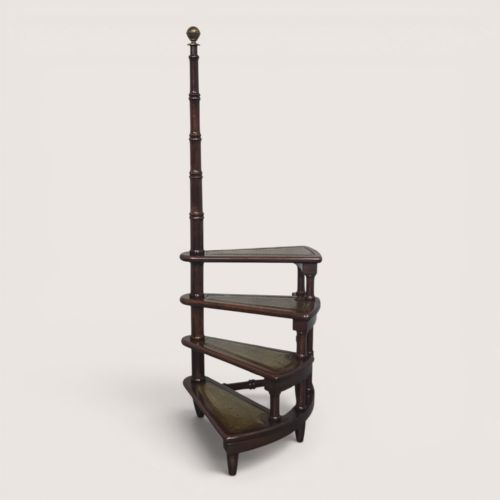
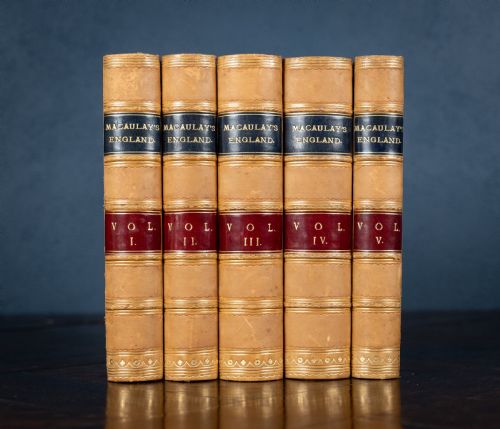
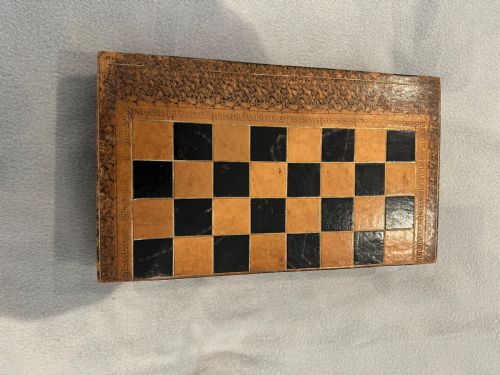
Many of these bindings arrive in matching sets, making them suitable for filling shelves or dressing a desk space. Alongside traditional reading material, the selection includes related library objects such as revolving bookcases, library steps, and games boards.
Origins stretch across Georgian, Victorian, Edwardian, and nineteenth-century French periods, presenting distinct regional binding traditions. The materials show genuine age, having been handled and read across generations.
Materials and construction
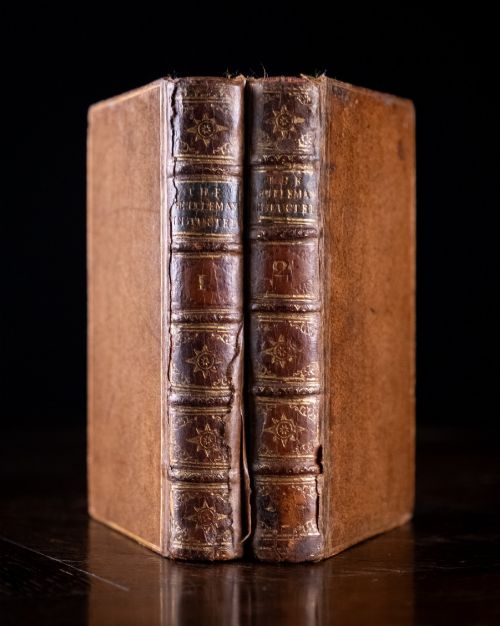
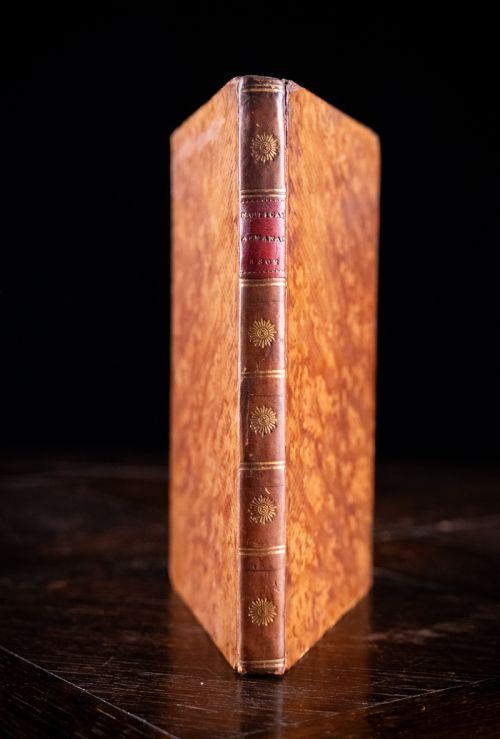
Binders utilised calfskin, vellum, and full leather over sturdy paper and wood structures, tooling the spines and boards with gold leaf. This combination provided both durability and visual richness, allowing bindings to survive centuries of use.
Text blocks consist of quality paper stitched securely within the leather covers, often complemented by marbled endpapers and gilt edges. Decorative detailing on the spines relies on blind tooling and applied gold, creating distinct lettering and ornamentation.
Vintage Leather Library Books Retail Price Guide 2026
Typical asking prices for vintage leather library books among the pieces listed under this phrase on Sellingantiques today, from the lower quarter to the upper quarter. They describe what is for sale here now, not the wider market.
Listings feature periods spanning from the eighteenth century through the Edwardian era, incorporating calfskin, vellum, gold leaf, and mahogany.
Evaluating craftsmanship
The distinction between tiers rests upon the crispness of the gilt tooling, the matching consistency of uniform sets, and the preservation of the original leather. Full leather bindings with intact spines and legible gold lettering command greater interest than heavily worn or rebound alternatives.
The completeness of multi-volume sets heavily influences the overall quality, as unbroken runs of historical or literary works retain their original publishing harmony. Superior examples maintain tight internal bindings and well-preserved paper blocks alongside supple leather.
J. & R. Tonson·J. Wheble
The Vintage Leather Library Books Glossary
- Gilt tooled
- A decoration method using gold leaf pressed into leather with heated metal tools. It creates bright metallic impressions on spines and covers.
- Vellum
- A fine parchment material prepared from calfskin or sheepskin, used for durable book bindings. It offers a smooth, pale surface that ages to a warm tone.
- Uniformly bound
- A set of books produced or rebound in matching materials and styles to sit together harmoniously. This creates a cohesive visual line on a library shelf.
- Blind tooling
- An impressing technique applied to leather without gold leaf or colour. It leaves subtle, depressed patterns that catch the light through texture alone.
- First edition
- The earliest printed appearance of a work from its original typesetting. Collectors prize these for their direct link to a text's initial publication.
Vintage Leather Library Books: Frequently Asked Questions
How should I clean leather bindings?
Dust the surfaces gently with a soft dry cloth to remove particles. Avoid applying modern chemical cleaners or excessive moisture to aged calfskin.
Keep the volumes away from direct sunlight and damp environments to preserve the natural flexibility of the hide.
Are multi-volume sets complete?
Most multi-volume sets are offered as described in the individual listing details, noting specific counts from eight to forty-seven volumes. Check the inventory notes to confirm whether a run represents the full published work.
Partial sets still provide decorative uniformity and historical reading material for display shelves.
How do I date an antique book?
Inspect the title page and preliminary front matter for printed publication years. Typography, paper texture, and binding styles also offer clues to the manufacturing period.
Bindings executed in Regency or Victorian workshops display distinct decorative motifs characteristic of those decades.
Can I read these antique books?
Many volumes remain readable, provided they are handled with care to protect aged paper and fragile spines. Opening books flat on a supported surface prevents undue strain on the internal stitching.
Fine bindings from the eighteenth and nineteenth centuries are built for gentle use rather than heavy daily reading.