





Vintage Leather Bound Book
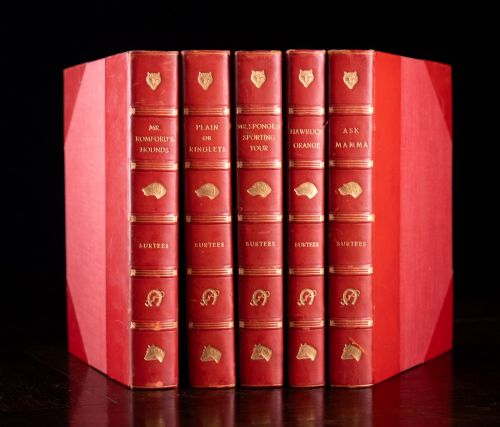
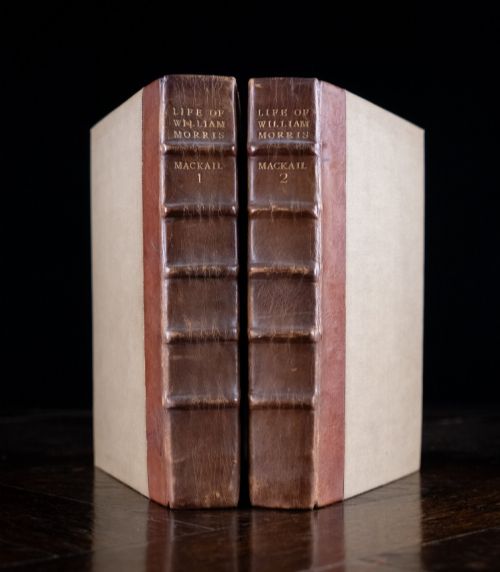
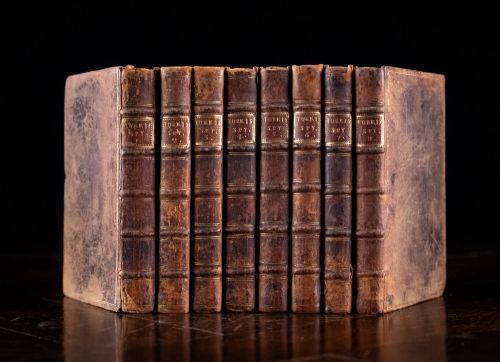
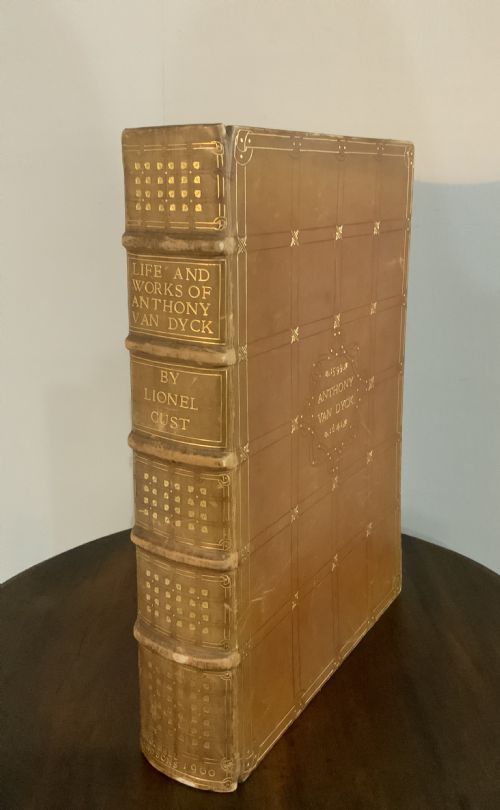
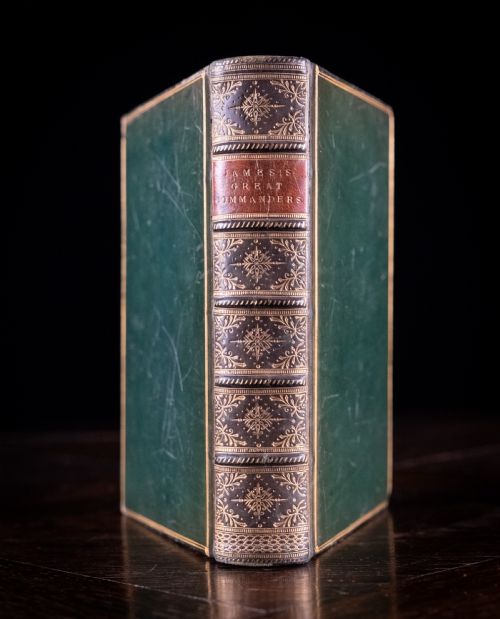
A vintage leather bound book brings centuries of literature and craftsmanship together on the shelf.
Vintage Leather Bound Book
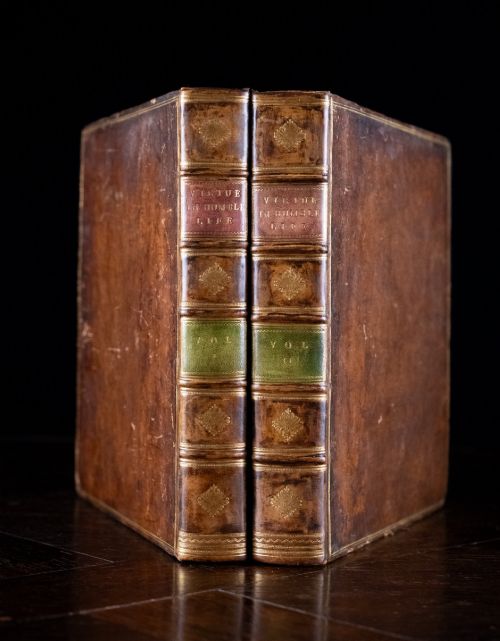
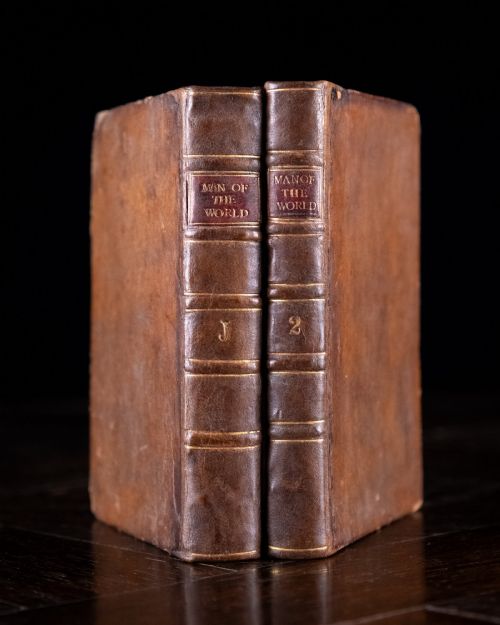
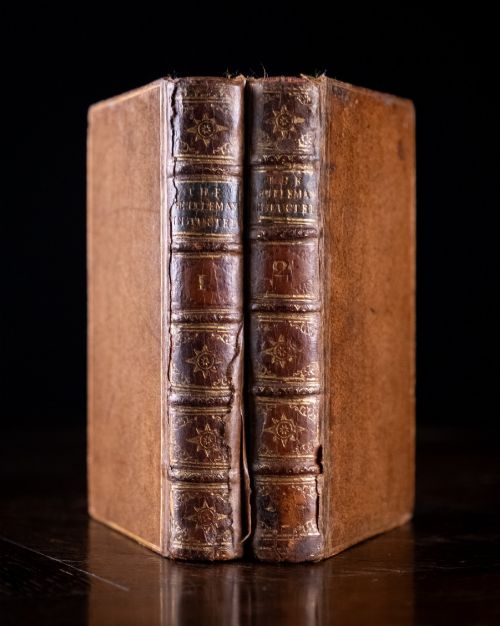
A vintage leather bound book encompasses single volumes, multi-volume sets, and complete works originating from periods ranging from the eighteenth century through the early twentieth century. Buyers seeking this phrase encounter formats such as historical texts, poetry, novels, and reference libraries, often bound uniformly for display.
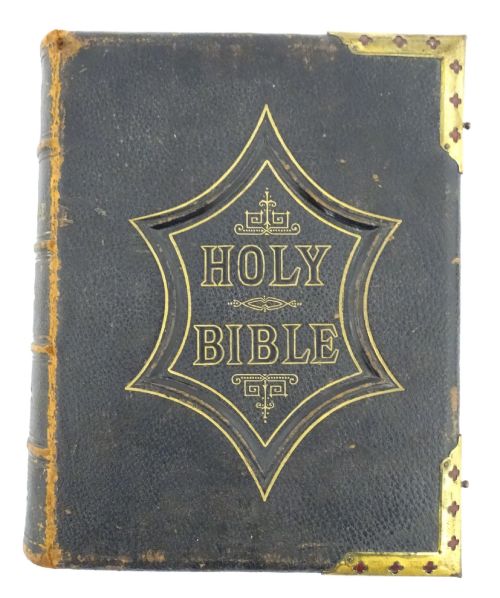
The selection on this page centres on items shaped by Victorian, Edwardian, and Georgian tastes, alongside occasional Regency and Art Deco pieces. These span from standalone biographies and religious texts to extensive runs of historical novels and sporting magazines.
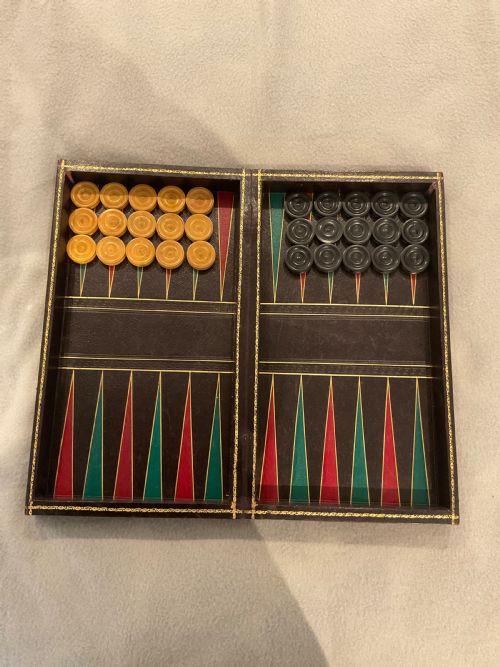
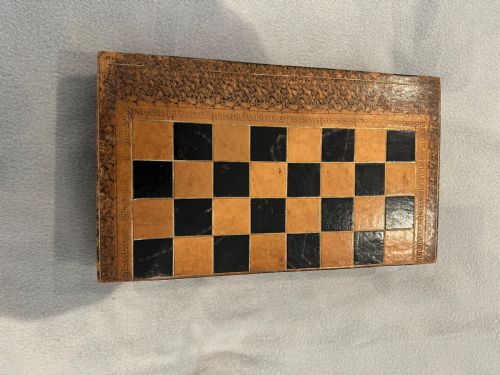
Beyond standard reading volumes, the selection includes related objects such as vellum-covered Shakespeare sets, miniature works in display cases, games boards disguised as bindings, and functional desk lamps or ink stands fashioned from vintage books.
Determinants of Quality
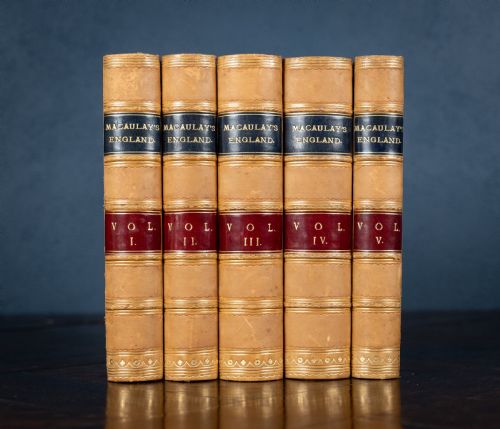
Quality in a vintage leather bound book rests primarily on the integrity of the binding and the uniformity of a set. Multi-volume runs matched in leather style and tooling display a higher degree of initial craftsmanship than assembled collections.
The clarity of gold leaf stamping and the depth of embossing on the spine distinguish finer volumes from simpler utility bindings. The presence of original plates, illustrations by notable artists such as Gustave Doré, and first edition statuses elevate specific copies above standard reprints.
Vintage Leather Bound Book Retail Price Guide 2026
Typical asking prices for vintage leather bound book among the pieces listed under this phrase on Sellingantiques today, from the lower quarter to the upper quarter. They describe what is for sale here now, not the wider market.
Materials recorded on this page include calfskin, vellum, gold leaf, cloth, paper, brass, and wood.
J. & R. Tonson·J. Wheble
The Vintage Leather Bound Book Glossary
- Vellum
- A fine parchment material prepared from calfskin, frequently utilised for durable and pale book bindings.
- Calfskin
- A soft, smooth leather derived from the skin of a calf, commonly chosen for high-end nineteenth-century bindings.
- Gilt tooled
- A decoration method applying gold leaf onto leather bindings using heated metal tools.
- Text block
- The inner block of gathered and sewn pages before the protective cover is attached.
Vintage Leather Bound Book: Frequently Asked Questions
How do I care for leather bindings?
Leather requires stable humidity and protection from direct sunlight to prevent the material from drying and cracking over time. Keeping the volumes upright without excessive crowding on the shelf preserves the structural integrity of the spines.
Applying specialised leather dressings can maintain suppleness, though this should be done sparingly. Gentle dusting with a dry cloth keeps the gilt tooling and paper edges clear of debris.
Are multi-volume sets always complete?
Many sets offered are complete runs as originally published, such as multi-volume histories or collected novels. Checking the specific volume count in the description confirms whether a set is complete.
Some collectors acquire partial runs or individual volumes for their decorative bindings rather than complete texts. Uniformly bound groups often indicate they were purchased together as a matched library suite.
What is the difference between leather and vellum?
Leather is produced through the tanning of animal hides, resulting in flexible covers that typically darken and soften with age. Vellum is an untanned, highly durable parchment prepared from fine animal skin, maintaining a paler and firmer finish.
Vellum bindings often appear on classical literature and poetry sets from the late nineteenth and early twentieth centuries. Both materials provide robust protection for the paper text blocks beneath.
Can I read these antique books?
Most volumes with intact bindings remain suitable for careful reading, provided the paper and hinges are handled gently. Older bindings from the eighteenth and early nineteenth centuries are often more delicate and suited primarily for reference.
Many buyers balance preservation with enjoyment by displaying sets while reading selected volumes with supported spines. Miniature books and decorative items like book boxes serve primarily as display pieces.