

Vintage Leaded Bookcase
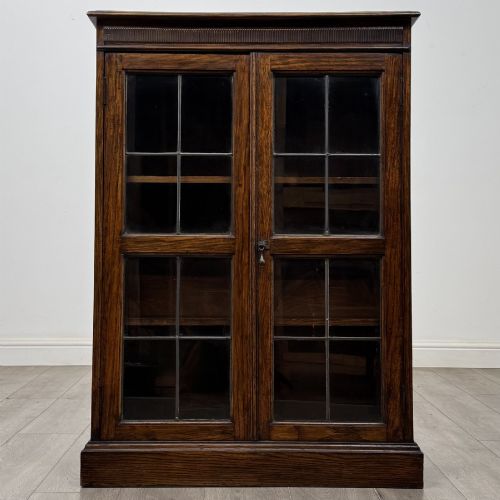
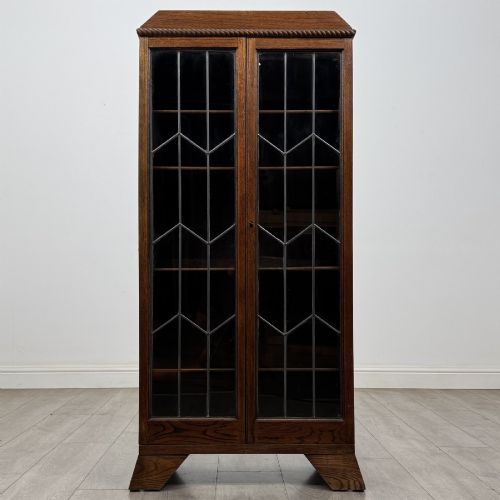
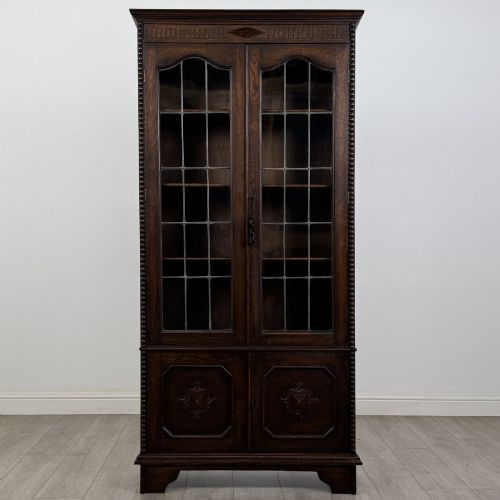
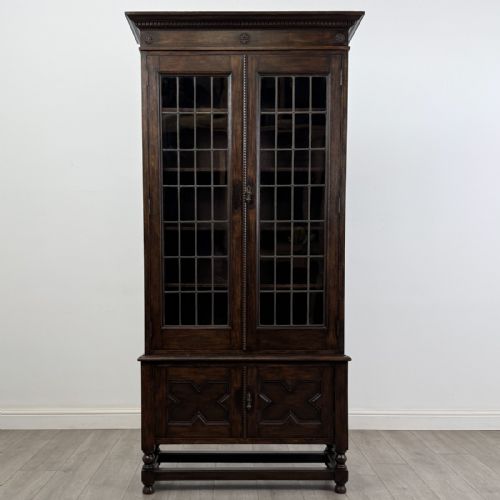
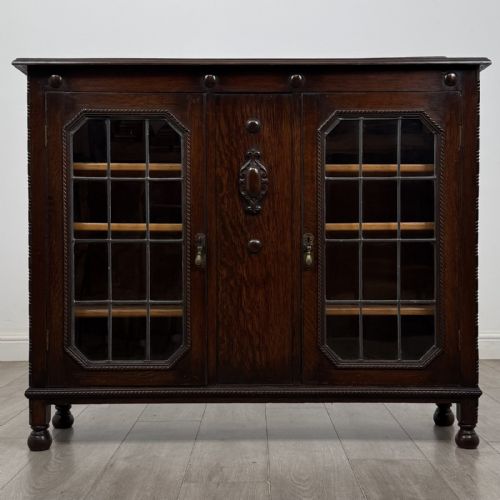
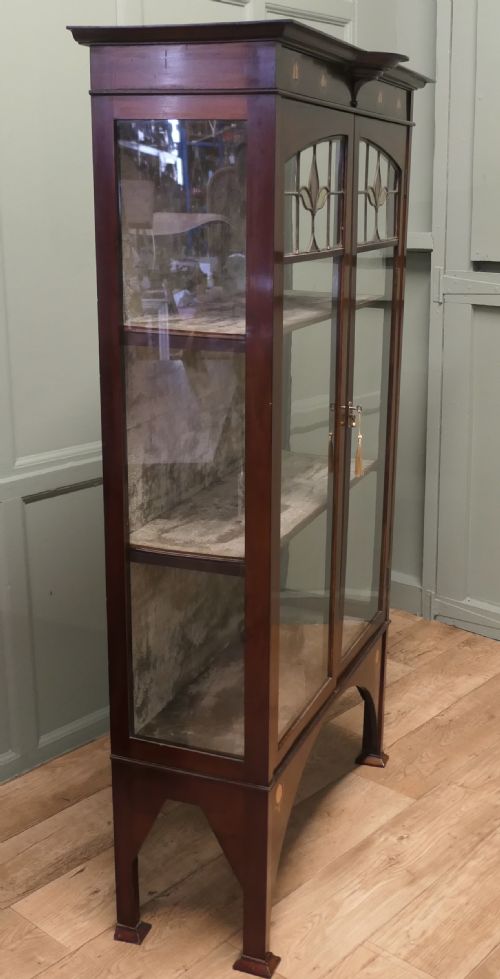
A vintage leaded bookcase brings together segmented timber and small panes held in cames to house a working library.
Vintage Leaded Bookcase
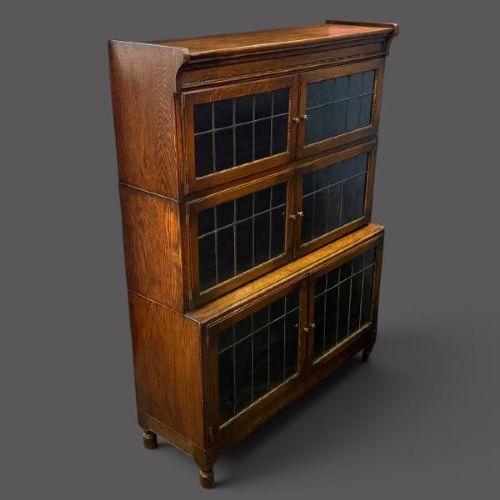
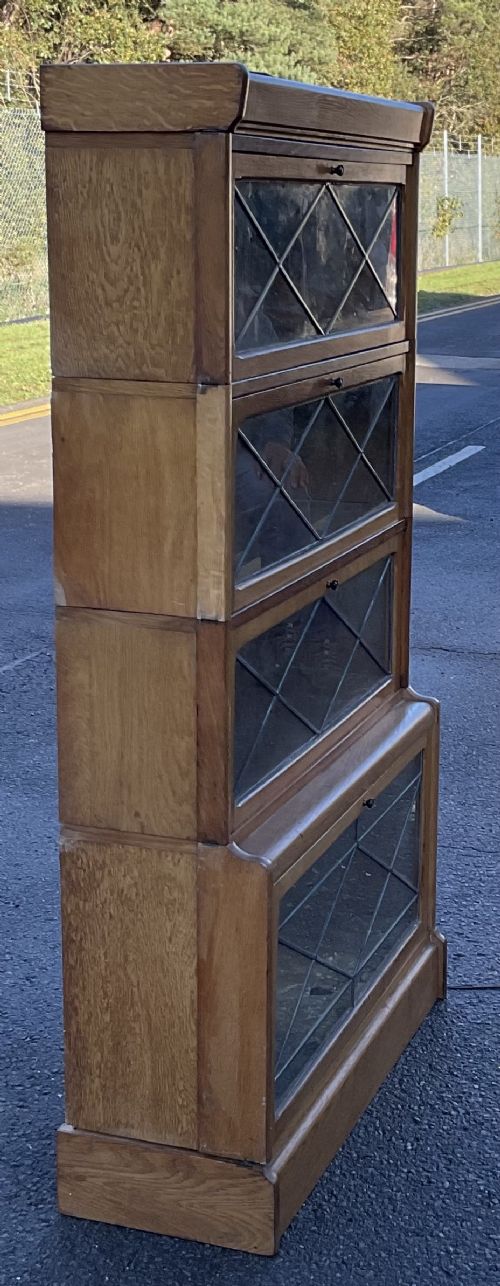
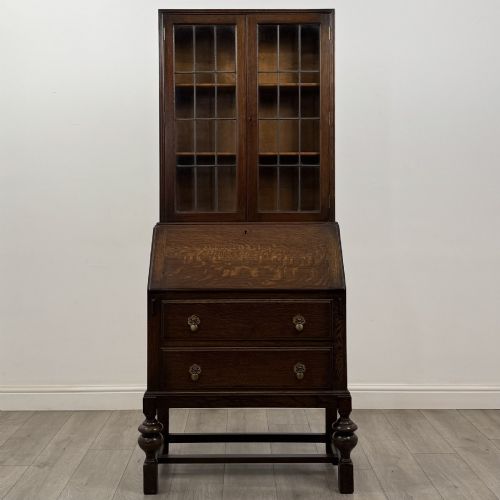
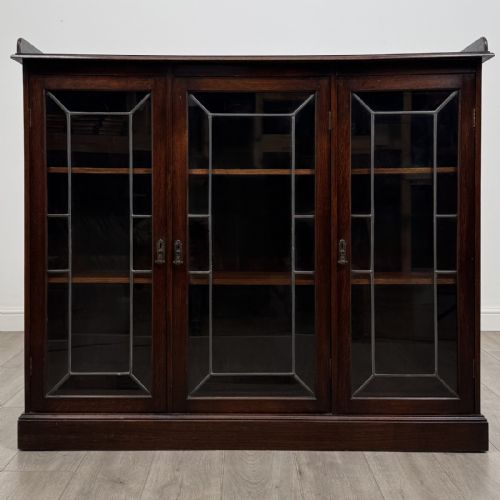
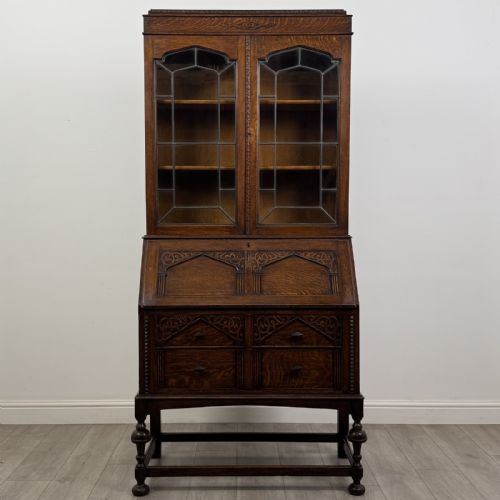
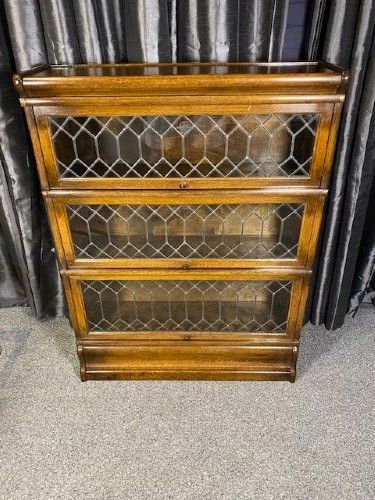
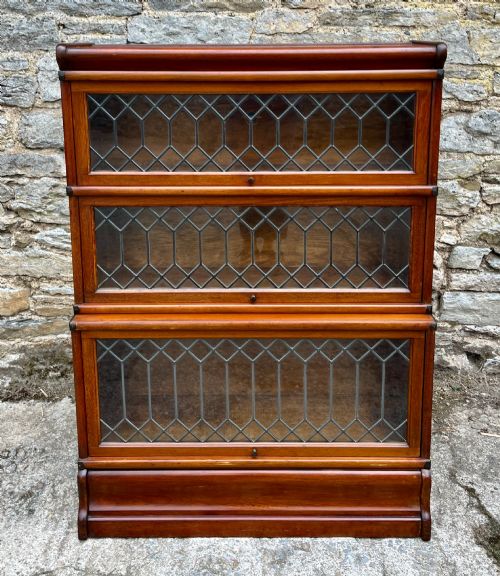
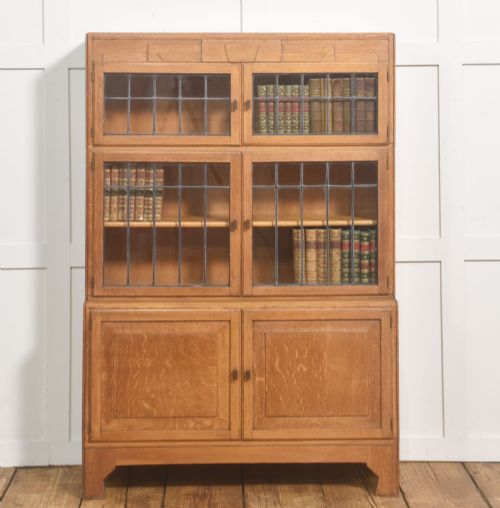
A vintage leaded bookcase gathers together modular stacking units, dwarf cabinets, and bureau bookcases built across the Edwardian era, the 1920s, and the 1930s. The version you are most likely to meet on this page is an oak stacking bookcase with glazed, lift-up doors.
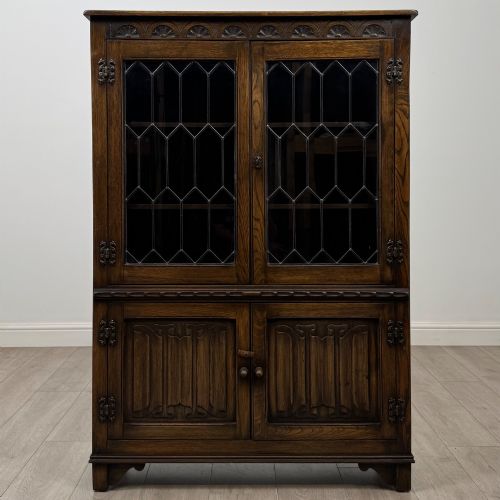
Makers working in the Arts and Crafts, Art Deco, and Jacobean Revival styles shaped these storage pieces from sturdy timbers to house household volumes and display wares in domestic interiors.
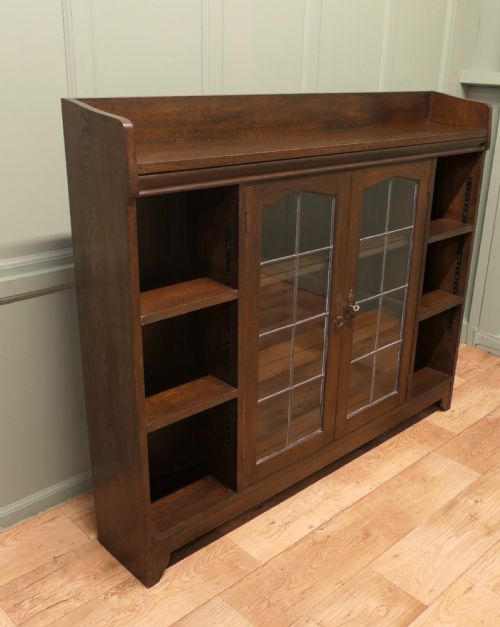
Constructed as tall upright cases or low sideboard alternatives, these items reflect the domestic architectural trends spanning from the late nineteenth century into the interwar period.
Materials and Technique
Carpenters built these cabinets predominantly in solid oak and mahogany, often utilising walnut or painted finishes for later Art Deco examples. Timber frames provided the structural skeleton for heavy shelving units and drop-front writing sections.
Individual glass panes were joined together using lead cames, soldered at the joints to form geometric or stylistic patterns across the doorfronts. Brass fittings, iron hardware, and inlaid wood details completed the assembly of stacking modular tiers and hinged doors.
Vintage Leaded Bookcase Retail Price Guide 2026
Typical asking prices for vintage leaded bookcase among the pieces listed under this phrase on Sellingantiques today, from the lower quarter to the upper quarter. They describe what is for sale here now, not the wider market.
Some modular sections still retain their tiny manufacturer metal tags, proving that even paperwork storage needed a barrister's order.
Distinctions in Standard
The standard of a piece rests upon the weight of the timber used and the precision of the joinery within stacking modules or bureau compartments. Heavier oak and solid mahogany denote robust construction compared to lighter veneered carcases.
The intricacy of the leaded glass work and the fidelity of revival styles, such as Jacobean or Arts and Crafts detailing, set finer examples apart from utility storage.
Globe Wernicke·Minty·Warwick·Liberty and Co·Lebus
The Vintage Leaded Bookcase Glossary
- Came
- A slender grooved strip of lead used to hold together small panes of glass in a window or cabinet door.
- Barrister bookcase
- A modular stacking bookcase with glazed, upward-lifting doors that slide into the cabinet above each shelf.
- Linenfold
- A carved wood panel motif resembling folded cloth, frequently seen on Edwardian and revival cabinet doors.
- Bureau bookcase
- A combination furniture form featuring a sloping writing flap above shelving or enclosed cabinet space.
- Globe Wernicke
- A prominent maker and style of modular sectional bookcase designed to stack multiple tiers together.
Vintage Leaded Bookcase: Frequently Asked Questions
How do barrister bookcases work?
Each tier operates independently with a glazed door that lifts on internal metal arms and slides back horizontally into the shelf space above the books. This mechanism allowed owners to stack additional sections as their libraries grew without altering the footprint.
The interlocking modular design kept volumes protected from dust while offering immediate access to individual shelves of books or display items.
What is leaded glass?
Leaded glass consists of individual small glass panes connected by flexible lead cames that are soldered at every intersection to form a rigid lattice. This technique allowed makers to create geometric patterns and leaded window effects on cabinet doors.
The technique provides both structural support for multiple small panes and a distinct decorative surface texture characteristic of the period.
Where should I place a heavy oak bookcase?
Solid oak and mahogany cases require stable floor surfaces and benefit from positioning against internal walls away from direct heat sources. Stacking units should be assembled carefully to ensure the modular tiers sit level and secure.
Adequate clearance is necessary for stacking doors to lift smoothly without catching on adjacent room furniture or skirting boards.
How do I date an antique bookcase?
Dating relies on examining the timber selection, hardware, and stylistic indicators such as Arts and Crafts strapwork or Art Deco veneers. Cabinet markers often left stamps, paper labels, or patent marks inside modular sections.
The presence of specific construction methods, like sectional stacking systems or traditional dovetailing, points towards manufacture during the Edwardian period or the interwar decades.