
Vintage Large Mirror
A vintage large mirror anchors a room by pulling in light and scale, offering substantial presence through period craftsmanship.
Vintage Large Mirror
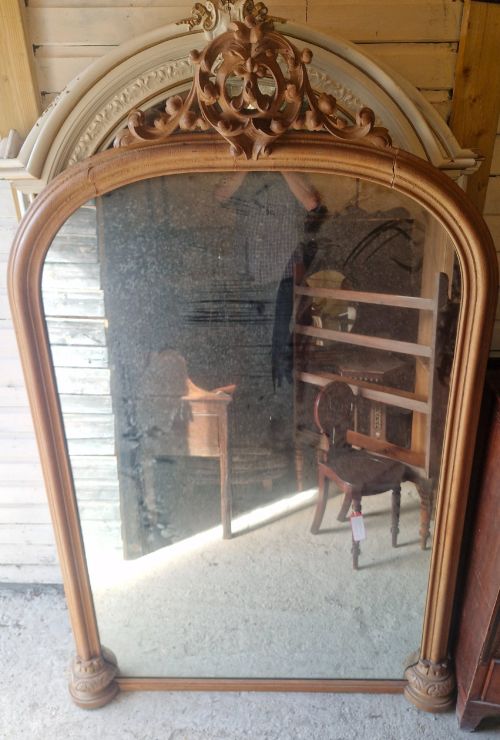
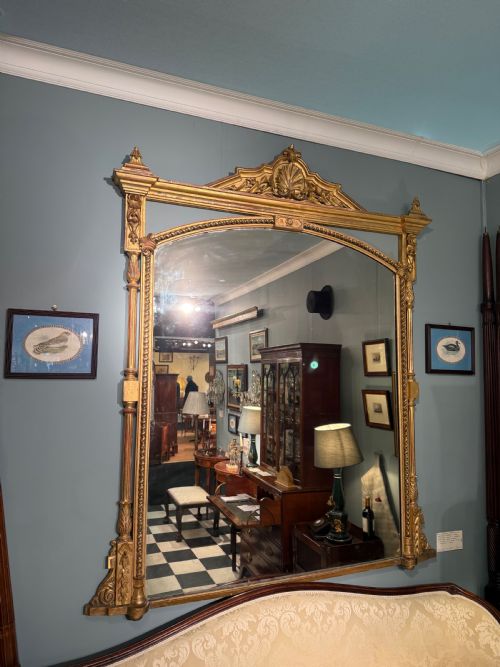
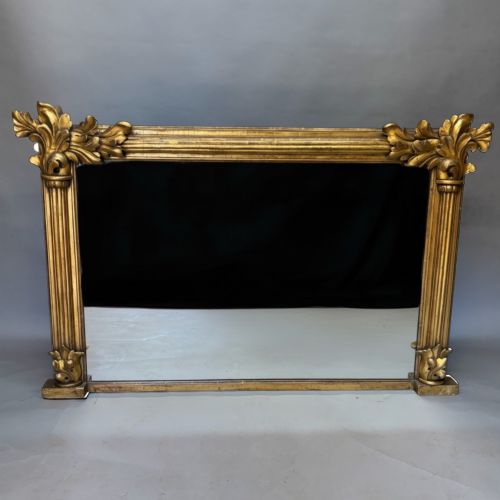
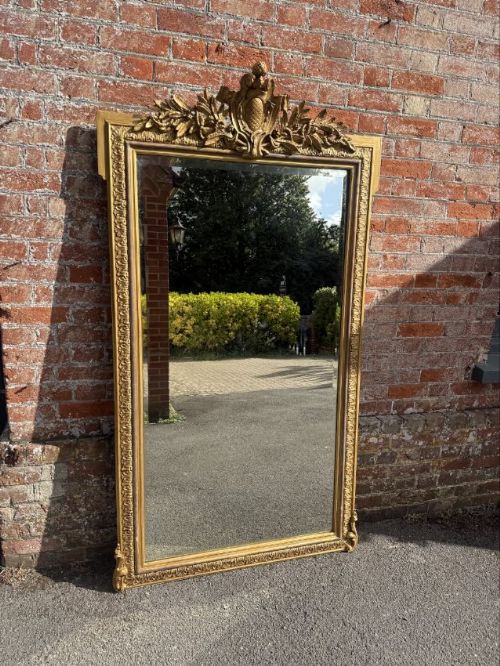
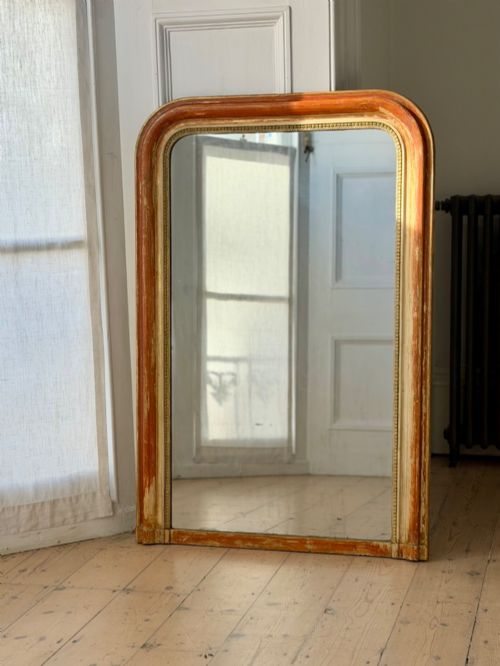
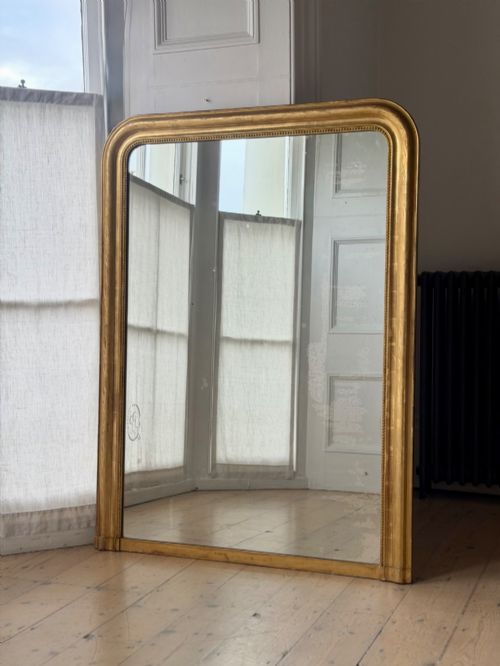
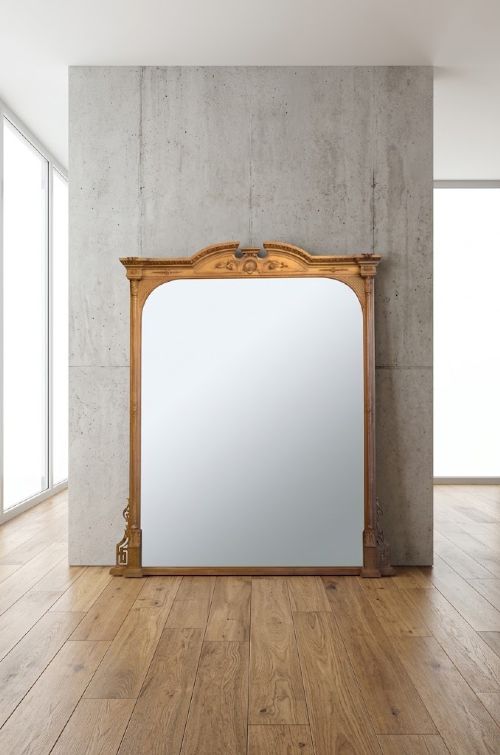
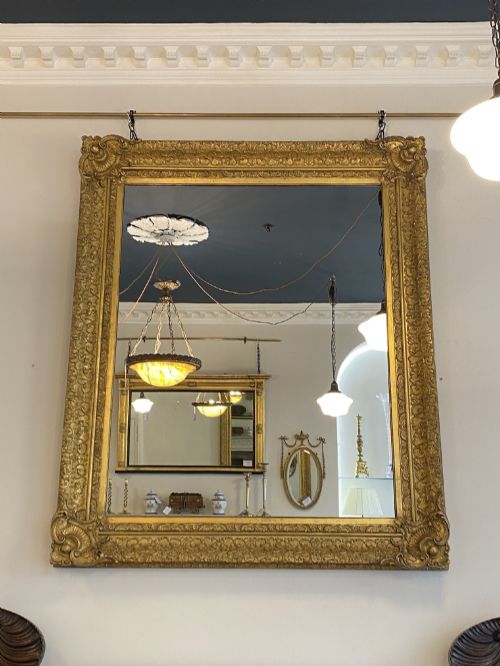
A vintage large mirror encompasses substantial wall and floor pieces designed to dominate a room, primarily originating from the nineteenth century up to the early twentieth century. When searching for a vintage large mirror, buyers commonly encounter ornate overmantel frames, tall French Louis Philippe styles, and heavy giltwood wall hangings.
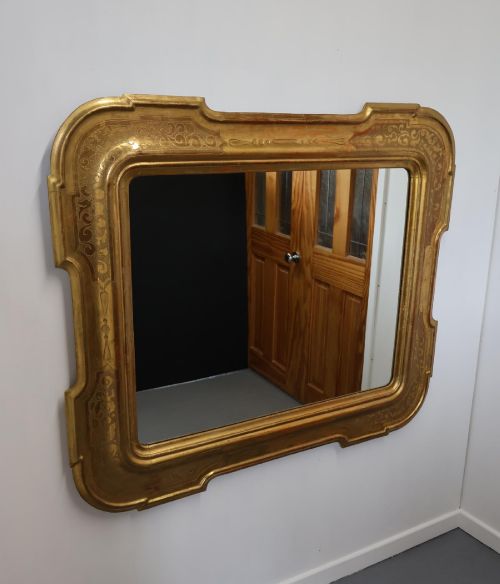
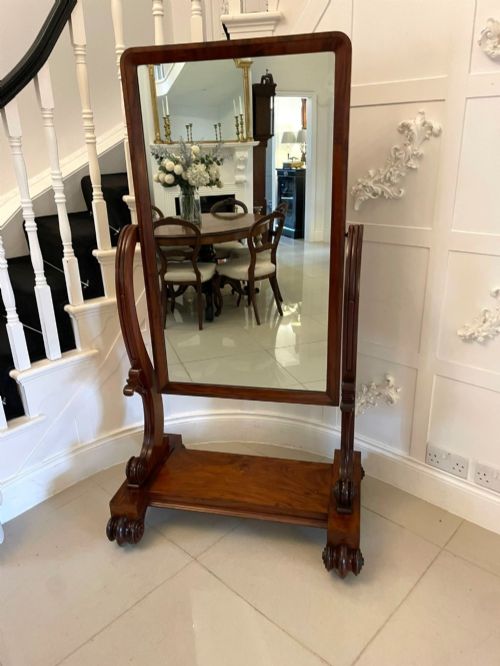
The selection frequently spans Victorian, Edwardian, and French Chateau aesthetics, ranging from carved oak country house frames to grand gilt Florentine creations. Wall mirrors and overmantel mirrors dominate the offerings, though freestanding cheval mirrors in mahogany also appear for full-length reflection.
These items served functional and decorative roles in period interiors, often positioned above fireplaces or along expansive drawing room walls. Surviving examples retain their original proportions, designed specifically to reflect interior light and create an illusion of greater spatial depth.
How they were made
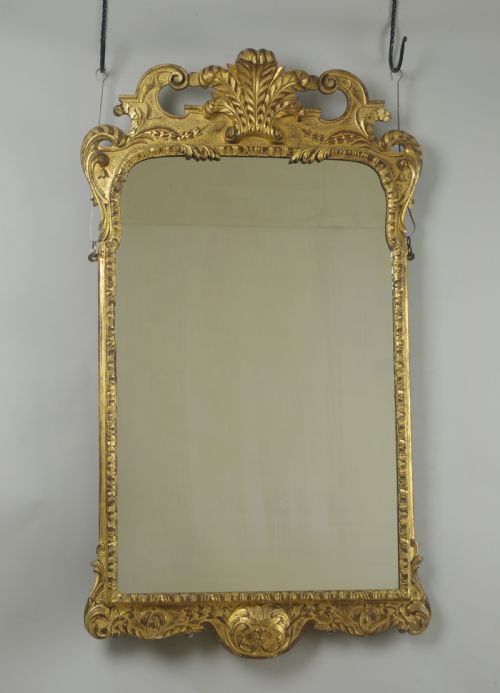
Makers constructed the primary structures using dense timbers such as oak, mahogany, and satinwood, often applying layers of gesso to carved wooden bases before finishing with gold leaf or silver gilt. Artisans shaped these materials into elaborate scrolls, arched tops, and ribbon crests using traditional hand-carving techniques.
Reflecting surfaces rely on historical methods, with several pieces featuring early mercury glass that displays characteristic subtle foxing and age spots. Frames secured heavy plates using traditional joinery, occasionally incorporating brass hardware and painted details alongside natural wood grains.
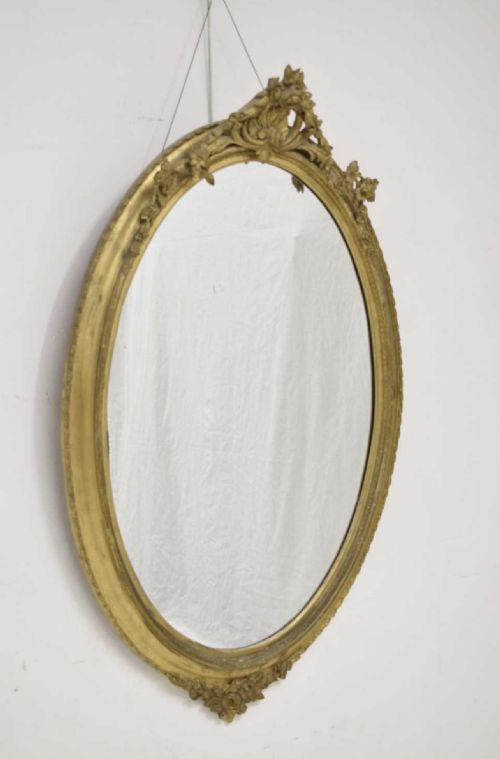
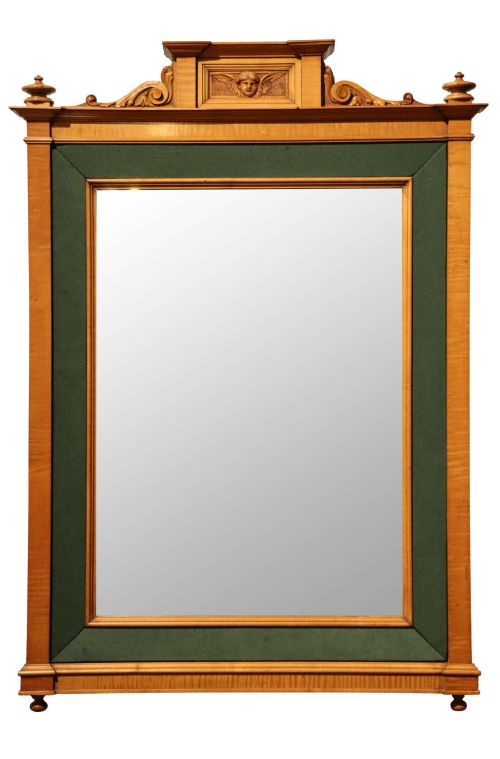
An unexpected carved cherub crest peers down from an Edwardian satinwood wall mirror, watching over the room with silent, nineteenth-century charm.
What varies in quality
The depth and intricacy of the hand-carved wood and gesso ornamentation separate standard production from exceptional examples, with finer pieces displaying crisp, undercut details in the foliage and crests. Superior items maintain their original gilding and structural integrity without excessive replacement to the decorative moulding.
The preservation of the original glass plate significantly influences the character of the piece, particularly where authentic mercury backing survives with undisturbed silvering. Heavier timber construction and balanced proportions in large overmantel or cheval formats indicate higher baseline standards of period cabinetmaking.
The Vintage Large Mirror Glossary
- Giltwood
- Wood that has been coated with a thin layer of gold leaf or gold paint for decorative effect. This finish is frequently seen on nineteenth-century overmantel and wall mirrors.
- Gesso
- A plaster-like mixture applied to wood frames to provide a smooth base for carving and gilding. It allows artisans to shape intricate relief details before applying gold leaf.
- Overmantel mirror
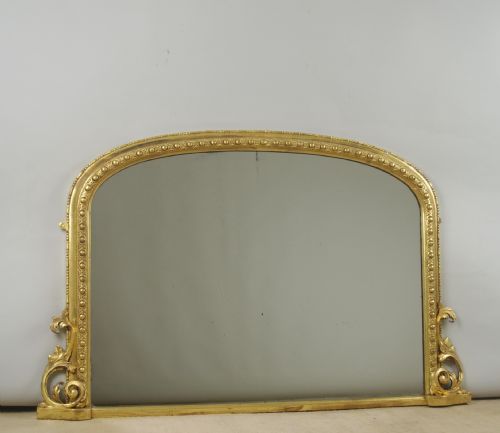
- A large mirror specifically designed to hang on the wall directly above a fireplace mantelpiece. These pieces often feature wide horizontal proportions to match the width of the hearth below.
- Cheval mirror
- A freestanding full-length mirror hung on a pivoting frame within four legs or a supportive base. Mahogany versions were popular in Victorian bedrooms for dressing purposes.
- Mercury glass
- A type of double-walled glass blown in the nineteenth century with a silver liquid coating sealed inside. It produces a distinctive mottled reflection with characteristic dark spots.
Vintage Large Mirror: Frequently Asked Questions
How do I hang a heavy overmantel mirror?
Heavy period frames require substantial wall fixings anchored directly into structural studs or masonry rather than standard plasterboard. Professional installers typically use heavy-duty mirror plates or French cleats distributed across the weight-bearing points of the wooden backing.
Ensuring the correct distribution of weight protects both the antique frame and the wall structure from strain over time. Regular checks of the hanging wire and structural joints maintain safety in domestic settings.
What is mercury glass?
Mercury glass refers to silvered glass produced during the nineteenth century using a chemical solution rather than actual quicksilver. This technique creates a deep, cloudy reflection that often develops dark foxing spots over decades of exposure.
The presence of original mercury glass adds significant period character to a mirror. Collectors appreciate the softer, less clinical reflection compared to modern float glass.
Where should I place an antique wall mirror?
Placing a large mirror opposite a window maximises natural light distribution and brightens darker corners of a room. Overmantel mirrors traditionally sit above fireplaces to create a focal point in reception rooms.
Wall height matters when positioning large formats, ensuring the frame centres correctly relative to surrounding furniture. Adequate clearance prevents the heavy timber or gilt frame from overwhelming the proportions of the wall.
How do I clean an antique giltwood frame?
Giltwood and gesso surfaces require gentle dusting with a soft, dry brush to remove particles without disturbing delicate raised areas. Moisture and chemical cleaning agents must be avoided entirely to prevent stripping the gold leaf or softening the underlying gesso.
Preserving the original surface finish maintains the historical integrity of the piece. Professional conservators should handle any necessary repairs to cracked or flaking gilding.